
Introduction
Biostabilisers are additives or bio-derived agents used to protect plastics against deterioration during processing, storage, and service by slowing oxidation, microbial attack, moisture-related damage, and other degradation pathways. In plastics, the term is often used more broadly for biobased or bio-derived stabilising systems and, in some industry contexts, also overlaps with antimicrobial additives that help preserve material integrity rather than provide a hygienic effect.
In the plastics value chain, biostabilisers sit within the wider family of stabilisers, but they are distinguished by their renewable origin, their lower-toxicity positioning, or their use of bioactive molecules from plants, microbes, or other biological sources. They are part of a broader move toward more sustainable additive packages, although their performance, cost, and regulatory acceptance still determine whether they can replace conventional antioxidants, heat stabilisers, UV absorbers, and biocides at scale.

History and Development
Traditional plastic stabilisers were developed to solve well-known degradation problems such as heat-induced chain scission, oxidation, and discoloration during compounding and end use. As sustainability pressures increased, research expanded toward additives sourced from biomass, fermentation products, and other biological feedstocks, especially for applications where lower toxicity or improved renewability would add value.
Interest in biostabilisers has also been shaped by adjacent fields. In plastics, antimicrobial and anti-fungal additives have long been used in products exposed to moisture, dirt, or poor hygiene conditions. More recently, academic and industrial work has explored plant polyphenols, tannins, lignin-derived fractions, hop acids, enzymes, and microbial extracts as stabilising agents in aqueous systems and materials processing.
Chemical Structure and Key Properties
Biostabilisers are not a single chemical class. They include several families of bio-based or bio-derived compounds with different mechanisms:
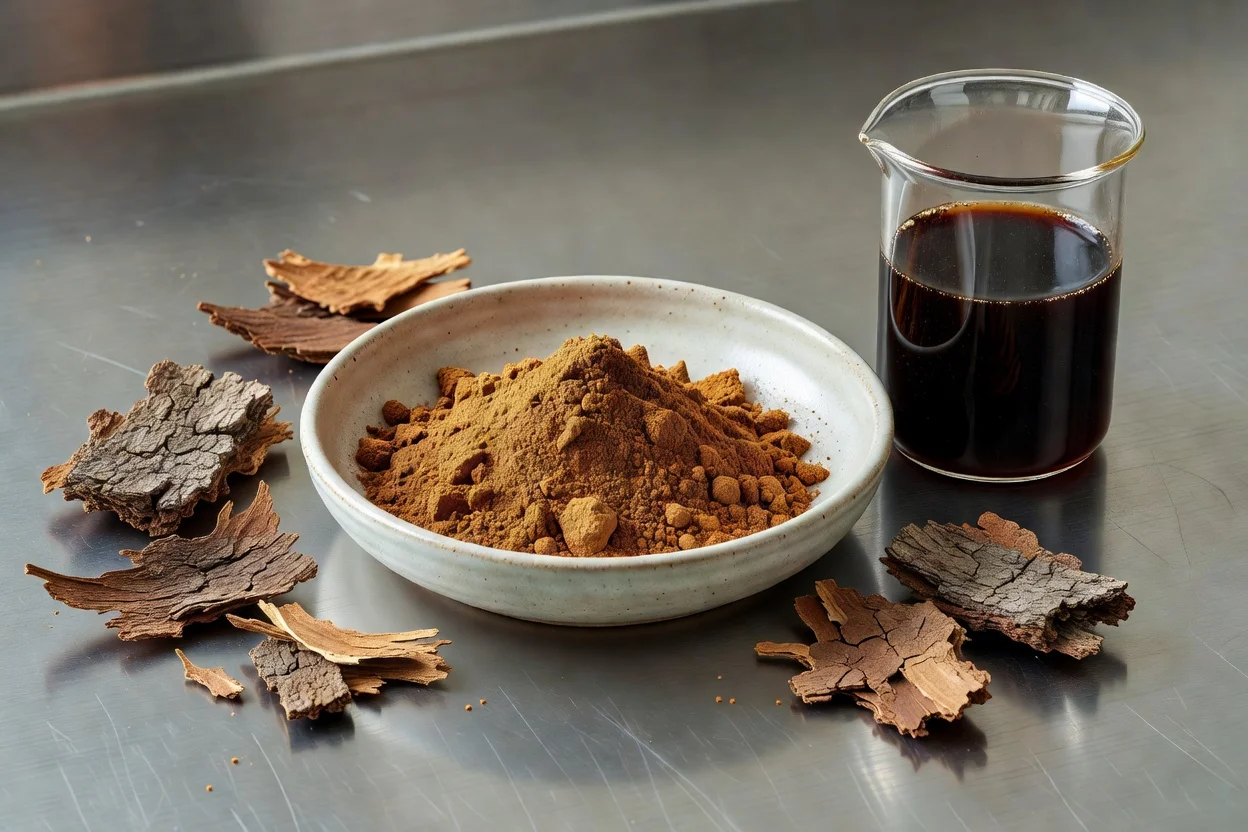
- Polyphenols such as tannins: strong radical-scavenging and metal-chelating behavior
- Lignin-derived fractions: aromatic structures that can absorb UV and quench radicals
- Bioactive plant extracts: antimicrobial or antioxidant effects depending on composition
- Enzymes and microbial consortia: catalytic or preservative effects in process media or feedstocks
- Polysaccharides and biopolymers: rheology and dispersion control in some formulations
Their performance depends on molecular functionality rather than source alone. For example, phenolic hydroxyl groups can donate hydrogen to terminate oxidation chains, while conjugated aromatic systems can absorb ultraviolet radiation or dissipate energy.
Main limitations and practical workarounds
- Oxidative protection limit → many bio-derived antioxidants are less thermally robust than industrial phenolics or phosphites → workaround: use them in blends, protect them with encapsulation, or combine them with conventional stabilisers in hybrid packages.
- Compatibility limit → polar bio-based molecules can be difficult to disperse in non-polar polyolefins → workaround: chemical modification, compatibilisers, masterbatches, or surface-functionalised carriers.
- Odour and colour limit → crude botanical extracts can carry colour, smell, or batch variability → workaround: purification, fractionation, deodorisation, and tight feedstock specification.
- Narrow efficacy limit → antimicrobial biostabilisers may target specific organisms rather than a broad spectrum → workaround: tailor the active component to the expected contamination environment.
Production Processes and Raw Feedstocks
Biostabilisers are typically produced from renewable biological feedstocks or biotechnological processes:
- Plant biomass: tannins, lignin, flavonoids, starch derivatives, cellulose fractions
- Microbial fermentation: organic acids, enzymes, and bioactive metabolites
- Animal co-products: chitin and protein-derived materials in some specialty formulations
- Natural extract processing: solvent extraction, fractionation, purification, and standardisation to a defined active content
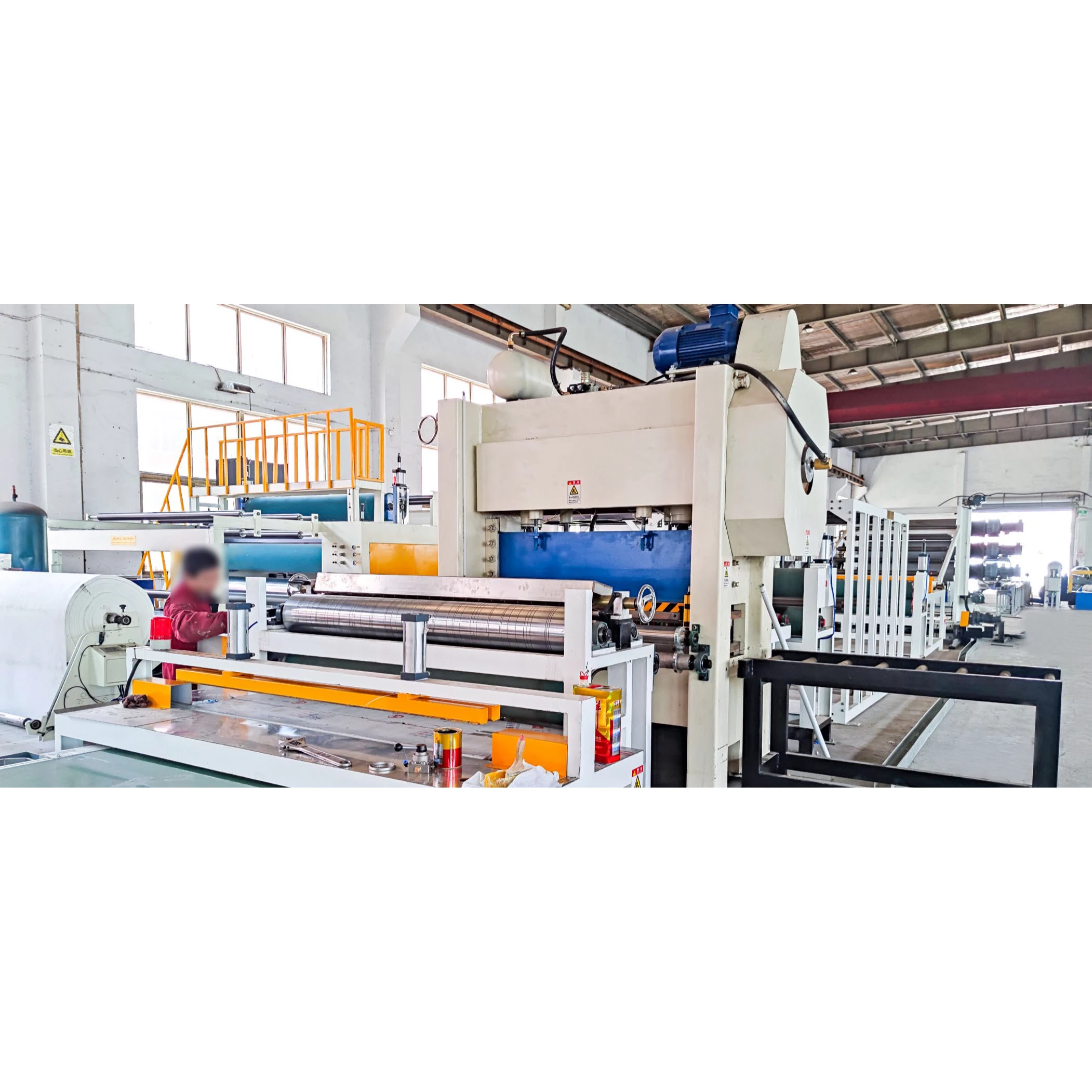
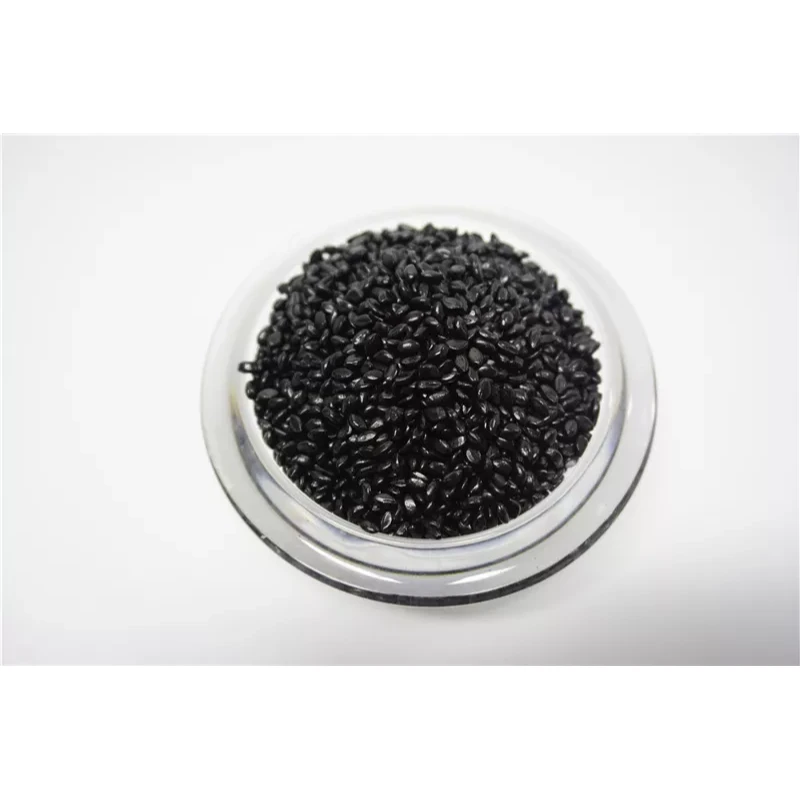
In industrial practice, production quality is often more important than the biological source itself. The key requirements are reproducible activity, low volatility, thermal stability, and compatibility with the host polymer or process fluid. In plastics compounding, these materials are usually incorporated as concentrates or masterbatches so that dosage can be controlled and dispersion improved.
A useful formulation example is a tannin-rich extract used at relatively low loading to provide antioxidant and anti-discolouration behavior through radical scavenging and metal chelation. Another example is a hop-derived antimicrobial biostabiliser used in aqueous process fluids, where bioactive hop acids disrupt bacterial membrane function and reduce microbial growth that would otherwise create odour and viscosity loss.
Applications and End-Use Markets
Biostabilisers are used wherever plastics or related process systems need protection from degradation, especially in environments where sustainability or lower toxicity is commercially important.
| End-use segment | Typical function of the biostabiliser | Usual material/process context | Notes |
|---|---|---|---|
| Flexible packaging and films | Oxidation control, colour retention | Polyolefins, masterbatches, extrusion | Often a partial replacement rather than full replacement |
| Agricultural plastics | Weathering and microbial resistance | Mulch films, silage-related products, greenhouse films | Moisture and UV exposure are major drivers |
| Coatings and textile finishes | Anti-fungal or anti-odour protection | Coated fabrics, tarpaulins, technical textiles | Performance must be durable under abrasion |
| Process fluids and water-based systems | Odour control, microbial suppression, viscosity retention | Drilling fluids and similar aqueous systems | Bioactive extracts can reduce dependence on harsh biocides |
| Wood-plastic composites | Anti-rot, anti-mould, anti-algal protection | WPC profiles and outdoor products | Often paired with UV and moisture stabilisation |
| Specialty biomaterials | Shelf-life and integrity retention | Natural-fibre composites, bio-based formulations | Higher value, lower-volume segment |
A poor-fit use is high-temperature engineering plastics used for long-life structural components, where conventional high-performance stabiliser packages still generally outperform most current biobased alternatives in thermal endurance and lifetime predictability.
In plastics, antimicrobial biostabilisers are especially relevant to products exposed to damp or biologically active environments, including PVC tarpaulins, liners, textile coatings, flooring, roofing materials, and some polyolefin textiles and household goods.
Environmental and Sustainability Aspects
The sustainability case for biostabilisers depends on the full life cycle, not only on renewable origin. Bio-based feedstocks can reduce reliance on fossil carbon, but sourcing, solvent use, purification energy, and transport can offset part of the benefit if the process is inefficient.
Key sustainability considerations include:
- Recyclability: additives must not interfere with mechanical recycling, odor control, or melt stability of reprocessed polymers.
- Bio-based content: renewable origin can improve carbon accounting, but only if feedstock sourcing is responsible and traceable.
- Toxicity profile: lower hazard ingredients may reduce worker and environmental risk compared with some conventional biocides.
- End-of-life behavior: additives should not create persistent contaminants or hinder compostability claims where relevant.
The strongest environmental advantage is often substitution rather than total replacement: biostabilisers can reduce dosage of more hazardous conventional ingredients, especially in hybrid additive systems. However, the industry remains cautious because natural variability, supply-chain constraints, and performance uncertainty can complicate large-scale adoption.
Economic and Global Market Impact
The market for biostabilisers is smaller than that for conventional stabiliser packages, but it is expanding in niches where sustainability, regulation, and brand differentiation matter. Growth is strongest in specialty applications, premium consumer goods, agriculture-related materials, and process fluids where lower toxicity provides a direct operational benefit.
Leading participants are often not stand-alone “biostabiliser” producers but rather established additive companies, ingredient suppliers, biotechnology firms, and specialty extract processors. Fraunhofer’s work highlights the strategic direction of the sector: biostabilisers are increasingly evaluated not only as green substitutes, but as functional materials that can improve performance while reducing environmental burden.
Market adoption is shaped by three economic realities:
- Performance must be proven under heat, UV, moisture, and processing stress.
- Cost per unit active is often higher than conventional stabilisers.
- Supply consistency must be maintained across biomass harvests and extraction batches.
Current Challenges and Innovations
Current challenges include:
- Standardisation: natural feedstocks vary by species, harvest, and extraction route.
- Thermal stability: many bio-derived actives degrade during polymer processing.
- Compatibility: dispersing polar bioactives in non-polar polymers remains difficult.
- Regulatory claims: antimicrobial and biocidal claims can trigger strict compliance requirements.
- Scale-up: securing reliable volumes of consistent-quality renewable feedstocks.
Innovation is focused on:
- Hybrid stabiliser packages combining bio-derived antioxidants with established synthetic stabilisers
- Encapsulation and controlled release to improve thermal and storage stability
- Chemical derivatisation of lignin, tannins, or plant phenolics to improve polymer compatibility
- Bioactive process additives for aqueous systems where microbial growth is the primary failure mode
- Data-driven formulation design to match biostabiliser chemistry to specific polymers and service environments.
One important technical trend is the shift from “bio-based” as a marketing descriptor toward mechanistically defined performance: radical scavenging, UV absorption, membrane disruption, enzyme catalysis, or moisture buffering. That shift improves credibility and helps formulators select the correct additive for the failure mode.
Future Outlook
Biostabilisers are likely to gain the most traction where they can deliver a measurable performance benefit in addition to a renewable-content story. The most promising areas are specialty packaging, agricultural films, outdoor plastics, technical textiles, and process fluids exposed to microbial contamination.
Future adoption will depend on:
- improved molecular design and purification
- lower-cost biomass conversion routes
- better durability under polymer-processing temperatures
- clearer standards for bio-based stabiliser performance
- compatibility with recycling and circular-economy targets
The most plausible long-term outcome is not full displacement of conventional stabilisers, but a more layered stabiliser architecture in which bio-derived actives handle selected degradation pathways while synthetic ingredients cover the most demanding thermal and lifetime requirements.
Summary
Biostabilisers are a diverse class of renewable or bio-derived additives used to slow degradation, suppress microbial attack, and extend the useful life of plastics and related process systems. Their strongest value lies in niche and specialty applications where sustainability, lower toxicity, or natural-origin sourcing can be aligned with real technical performance, while their main constraints remain thermal stability, consistency, and cost.
References
- •
Bio-based stabilizers. (2025, April 28). Energy → Sustainability Directory. https://energy.sustainability-directory.com/term/bio-based-stabilizers/Link
- •
Biostabilizers: More than just a green alternative. (2023, June 16). Fraunhofer LBF. https://www.lbf.fraunhofer.de/en/projects/plastics-economy-biostabilizers-sustainability.htmlLink
- •
Video showing the work of a biostabilizer. (2018, May 1). Ekobud. http://www.ekobud.net/biostabilizator/?lang=enLink
- •
Plastics additives. (n.d.). British Plastics Federation. https://www.bpf.co.uk/plastipedia/additives/Default.aspxLink
- •
Bio-stabilising earthen houses with tannins from locally available resources. (n.d.). Liverpool John Moores University. https://researchonline.ljmu.ac.uk/id/eprint/23186/8/Bio-stabilising%20earthen%20houses%20with%20tannins%20from%20locally%20available%20resources.pdfLink
- •
Biomineralisation to increase earth infrastructure resilience. (2022, March 28). Materials, 15(7), Article 2490. https://www.mdpi.com/1996-1944/15/7/2490Link
- •
Application of microbial bioenzymes in soil stabilization. (2020, July 27). PMC. https://pmc.ncbi.nlm.nih.gov/articles/PMC7424078/Link
- •
Bio-treatment for subgrade stabilization. (n.d.). U.S. Department of Transportation. https://www.fhwa.dot.gov/engineering/geotech/pubs/nhi16028.pdfLink
- •
Chapter 3: Plastic materials requiring biocides. (2004, January 1). GlobalSpec. https://www.globalspec.com/reference/48311/203279/chapter-3-plastic-materials-requiring-biocidesLink
- •
Stabilizer. (2026, May 24). Merriam-Webster. https://www.merriam-webster.com/dictionary/stabilizerLink
- •
Stabiliser (food). (2010, September 10). Wikipedia. https://en.wikipedia.org/wiki/Stabiliser_(food)Link
- •
Biopesticides for crop disease management. (n.d.). Crop Protection Network. https://cropprotectionnetwork.org/web-books/biopesticides-for-crop-disease-management?section=25-biostimulants-and-biofertilizersLink
- •
Strength and durability of biostabilised Ghanaian mud bricks. (2024, January 1). University of Ghana. https://pure.ug.edu.gh/en/publications/strength-and-durability-of-biostabilised-ghanaian-mud-bricksLink
- •
Biofertilizer. (2009, August 26). Wikipedia. https://en.wikipedia.org/wiki/BiofertilizerLink
- •
Bio-stabilising earthen houses with tannins from locally available resources. (2024, July 11). University of Ghana. https://pure.ug.edu.gh/en/publications/bio-stabilising-earthen-houses-with-tannins-from-locally-availabl/Link
- •
Drilling fluids. (n.d.). BetaTec. https://betatec.com/drilling-fluidsLink
- •
Stabilizer selection and formulation strategies for ... (n.d.). ScienceDirect. https://www.sciencedirect.com/science/article/pii/S2666647224000083Link
- •
Bio-enzymes for soil stabilization. (2021, July 21). Infinita Biotech. https://infinitabiotech.com/blog/enzymes-for-soil-stabilization/Link
- •
How bioturbating lugworms and stabilizing seagrasses ... (2022, March 24). Utrecht University. https://studenttheses.uu.nl/handle/20.500.12932/41437Link
- •
Marine Ecology Progress Series, 358, 125. (n.d.). Inter-Research. https://www.int-res.com/articles/meps2008/358/m358p125.pdfLink
- •
Manure biostabilization by effective microorganisms as a way to improve its agronomic value. (n.d.). Springer. https://link.springer.com/article/10.1007/s13399-022-02428-xLink
- •
Soil stabilization of low volume roads. (n.d.). Minnesota Department of Transportation. https://mdl.mndot.gov/_flysystem/fedora/2023-04/ris-19.pdfLink
- •
Ugspace.ug.edu.gh. (n.d.). University of Ghana. https://ugspace.ug.edu.gh/server/api/core/bitstreams/01e585d6-3d89-4a3b-b176-c1975b9c3698/contentLink
- •
Biomin BioStabil Plus. (2025, May 7). Knowde. https://www.knowde.com/stores/biomin/products/biomin-biostabil-plusLink
- •
Soil stabilization by various additives/agents. (2014, May 12). Academia.edu. https://www.academia.edu/7021587/SOIL_STABILIZATION_BY_VARIOUS_ADDITIVES_AGENTSLink
- •
A review of the use of bio-based substances in soil stabilization. (2024, February 2). Springer. https://ideas.repec.org/a/spr/endesu/v26y2024i6d10.1007_s10668-023-03241-w.htmlLink
- •
Synthesis, size characterization and catalytic application studies on the biostabilised CuO nanocubes for the oxidation of drugs with pH and mass effects. (n.d.). International Journal of Scientific and Research Publications. https://www.ijsrp.org/research-paper-1212/ijsrp-p1294.pdfLink
- •
The pharmacology of actoprotectors: Practical application for ... (n.d.). PMC. https://pmc.ncbi.nlm.nih.gov/articles/PMC3762282/Link
- •
Biomedical therapies. (n.d.). Lumen Learning. https://courses.lumenlearning.com/waymaker-psychology/chapter/biomedical-therapies/Link
- •
The Green Technology Revolution. (n.d.). Entsorga. https://www.entsorga.com/wp-content/uploads/2020/11/Entsorga_book2020-compressed.pdfLink
- •
Microsoft Word - Dibyaranjan Samal. (n.d.). ACG Publishing. https://acgpublishing.com/index.php/CCB/article/download/43/46/57Link
- •
Review of bio-enzyme for soil improvement. (n.d.). ScienceDirect. https://www.sciencedirect.com/science/article/pii/S2949929124000755Link
- •
Biochar-based fertilizers and their applications in plant growth promotion and protection. (2022, May 24). PMC. https://pmc.ncbi.nlm.nih.gov/articles/PMC9130403/Link
- •
Biofertilizer: The future of food security and food safety. (2022, June 14). PMC. https://pmc.ncbi.nlm.nih.gov/articles/PMC9227430/Link
- •
Biocides in plastics. (n.d.). ChemTec Publishing. https://chemtec.org/products/978-1-85957-512-3Link
- •
Microsoft Word - LW14-821-01_Volume - Appendices Cover. (n.d.). Environmental Protection Agency. https://epawebapp.epa.ie/licences/lic_eDMS/090151b28071a438.pdfLink
- •
Strength and microstructural behaviour of sand Kaolin ... (2026, February 5). PMC. https://pmc.ncbi.nlm.nih.gov/articles/PMC12929720/Link
- •
National waste. (n.d.). MyWaste. https://mywaste.ie/wp-content/uploads/2024/05/National-Waste-Management-Plan-for-a-Circular-Economy-Volume-IV-Supporting-Documents.pdfLink
- •
Stabilizer. (2003, August 13). Wikipedia. https://en.wikipedia.org/wiki/StabilizerLink
- •
A comprehensive overview of eco-friendly bio-fertilizers extracted ... (2023, September 2). PMC. https://pmc.ncbi.nlm.nih.gov/articles/PMC10663222/Link
- •
Stabilisers - at anchor - how do they work? (2005, February 17). YBW Forum. https://forums.ybw.com/threads/stabilisers-at-anchor-how-do-they-work.54132/Link
- •
Stabilizer. (n.d.). Dictionary.com. https://www.dictionary.com/browse/stabilizerLink
- •
Living streambanks. (n.d.). Colorado Water Conservation Board. https://cwcb.colorado.gov/sites/cwcb/files/Biostabilization_Manual_072416_0.pdfLink
- •
WO2023242363A9 - Storage stabilization agent for ... (2023, June 15). Google Patents. https://patents.google.com/patent/WO2023242363A9/enLink
- •
How cruise ship stabilisers actually work (and why they are ... (2025, May 28). Emma Cruises. https://emmacruises.com/how-cruise-ship-stabilisers-actually-work-and-why-they-are-important-to-me/Link
- •
Stabilizer (ship). (2005, September 14). Wikipedia. https://en.wikipedia.org/wiki/Stabilizer_(ship)Link
- •
What are stabilizers on a yacht? What you should know. (2023, September 2). Windward Yachts. https://www.windwardyachts.com/blog/what-are-yacht-stabilizers/Link
- •
Eli5: How does a boat stabilizer work? I know nothing about physics. (2023, July 22). Reddit. https://www.reddit.com/r/explainlikeimfive/comments/156bgy1/eli5_how_does_a_boat_stabilizer_work_i_know/Link
- •
Types of stabilizers for cruise ships. (2021, February 16). Quantum. https://quantumstabilizers.com/whitepapers/roll-stabilization-systemsLink