
簡介
溶劑型 adhesives 是指將聚合物或樹脂溶解於有機溶劑中的黏合系統,施用時呈液態,待溶劑揮發後形成接合。其主要價值在於強烈的初始黏性、對困難基材的優異潤濕性,以及對多孔與非多孔材料的可靠接合,因此在運輸、鞋類、包裝、建築、家具、紡織及一般工業組裝中扮演重要角色。
在塑膠及相關材料領域,溶劑型 adhesives 佔有獨特地位,因為它們能接合 thermoplastics、elastomers、泡棉、塗佈織物、層壓材料及混合材料組件,而這些材料通常難以用純水性或熱熔系統接合。此技術常與 contact adhesives 及溶劑型 polyurethane、acrylic、氯丁橡膠、橡膠及硝化纖維素配方相關聯,每種配方均針對不同基材組合、固化速度及使用條件進行調整。
其工業重要性受到兩種對立趨勢的影響。一方面,溶劑型系統因其性能仍受重視,尤其在需要快速循環時間、高接合強度及強力基材潤濕的場合。另一方面,它們面臨 VOC 法規、易燃性疑慮、工作者暴露要求,以及朝向低排放替代方案(如水性、高固體分、熱熔及反應性無溶劑技術)轉移的壓力。
歷史與發展
溶劑型 adhesives 源自早期的溶劑水泥及接觸黏合劑實務,將天然或合成 rubbers、樹脂及後來的工程聚合物溶解於揮發性有機液體中,以製成可刷塗、噴塗或塗佈的 adhesives。隨著聚合物化學進步,供應商擴展化學範圍,納入 polychloroprene、SBR、polyurethane、acrylic 及其他適合工業接合的樹脂家族。
一項重要技術里程碑是 contact adhesives 的精進:將黏合劑施用於單面或雙面表面,讓溶劑揮發後,再將乾燥膜在壓力下接合,透過界面互擴散及凝聚發展產生立即接合。此機制使該技術特別適合需要快速操作強度的 assembly lines 及層壓製程。
自二十世紀末以來,環保政策日益影響配方選擇。製造商以低 VOC 溶劑系統、更好的溶劑回收及混合配方回應,而水性 adhesives 等競爭化學品也已改善至許多應用可轉換。然而,溶劑型 adhesives 仍在表面能、熱阻或快速抓力要求高的應用中維持地位。
化學結構與關鍵特性
在配方層級,溶劑型 adhesives 通常由基礎聚合物或樹脂、揮發性溶劑組合,以及可選 additives(如增黏劑、plasticizers、stabilizers、crosslinkers、填料或 rheology modifiers)組成。溶劑通常不提供最終接合,而是作為暫時降低黏度、促進潤濕並在揮發後留下聚合物膜的載體。
典型聚合物化學
- Polychloroprene:廣泛用於 contact adhesives,具有高黏性及快速抓力,尤其適用於鞋類、層壓及橡膠對基材接合。
- Polyurethane:因其柔韌性、韌性及對多樣基材的附著力而受重視,包括軟性包裝層壓、紡織、汽車內裝及建築材料。
- Acrylic:常選用於需要透明度、耐老化性或特定基材相容性的場合。
- 橡膠基系統如 SBR 或相關 elastomers:常用於需要彈性及快速固化行為的場合。
關鍵特性
| 特性 | 技術意義 |
|---|---|
| 高初始黏性 | 有助於在組裝線條件下快速發展接合。 |
| 優異潤濕性 | 有機溶劑降低表面張力,改善與低能或輕微污染表面的接觸。 |
| 廣泛基材相容性 | 適用於塑膠、金屬、橡膠、皮革、泡棉、紡織及層壓材料。 |
| 快速乾燥/固化 | 溶劑揮發可快速獲得操作強度。 |
| 柔韌接合線 | 對鞋類、汽車飾條及需循環彎曲的紡織品很重要。 |
實際限制與實務因應
- VOC 特性不佳 → 排放與暴露疑慮 → 使用局部排氣、通風、溶劑回收,並在性能允許時改用低 VOC 或水性替代方案。
- 易燃性 → 揮發性烴類或酮類溶劑可能造成火災風險 → 使用防爆設備、接地施用系統及受控儲存/處理。
- 部分配方熱阻或化學阻抗有限 → 嚴苛使用條件下接合失效 → 使用交聯 PU、acrylic 或特殊工業級配方。
- 表面污染敏感 → 油污、粉塵及濕氣降低附著力 → 施用前清潔、乾燥並可能輕微打磨基材。
一個有用的配方範例是溶劑型 polychloroprene 接觸黏合劑,搭配增黏樹脂及少量氯化橡膠改性劑;添加劑可透過提升界面相容性及凝聚發展來改善初始接合強度及橡膠對金屬附著力。另一常見範例是軟性包裝用溶劑型 polyurethane 層壓黏合劑,溶解的 PU 可良好潤濕聚合物膜,待溶劑揮發後形成耐用夾層。
生產製程與原料
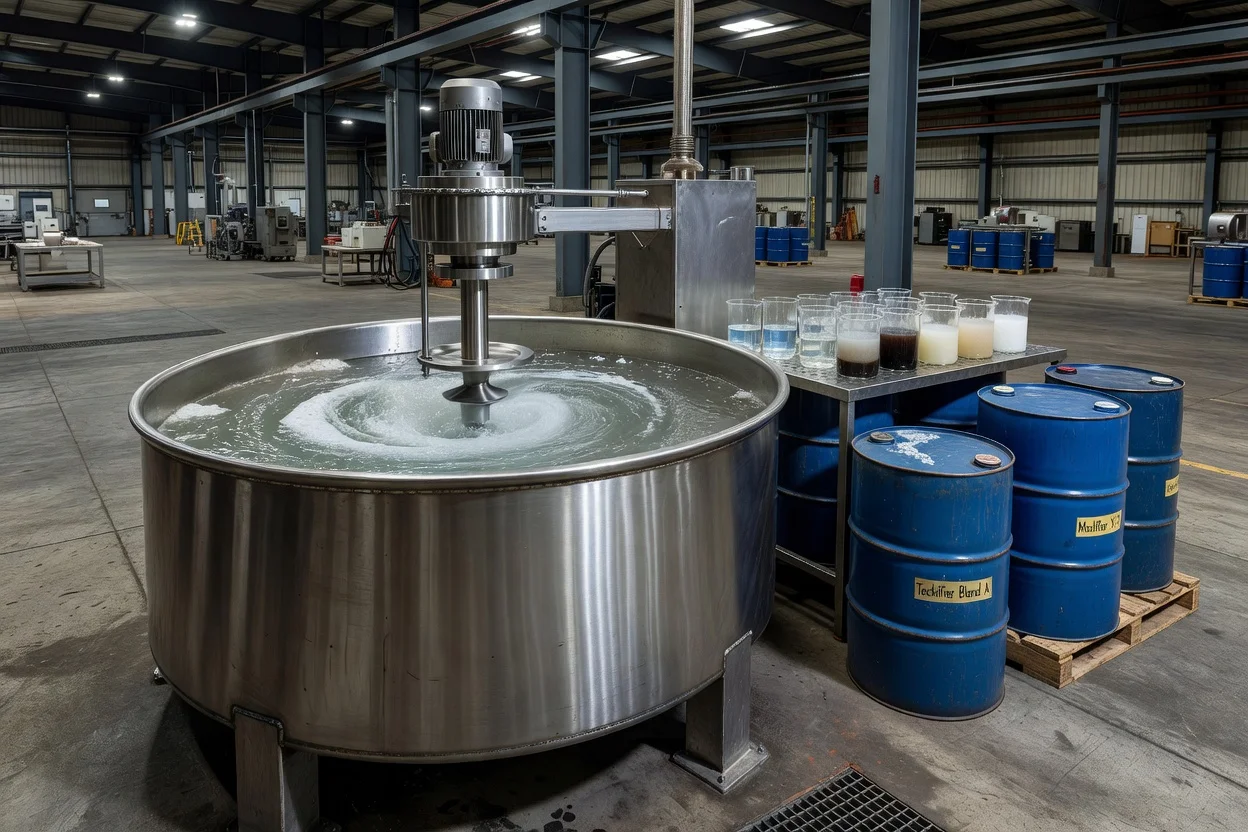
溶劑型黏合劑生產始於選擇目標樹脂或聚合物、在適當溶劑混合物中溶解,並加入 additives 以調整黏性、黏度、開放時間、柔韌性及老化行為。溶劑通常依揮發速率、溶解力、安全性及與樹脂和施用方法的相容性選擇。
典型製造步驟
- 聚合物合成或採購
- 溶解於選定溶劑系統
- 加入增黏劑、stabilizers、plasticizers 或交聯成分
- 過濾及黏度調整
- 包裝供噴塗、刷塗、滾塗、珠狀或卷材施用
常見原料
- 基礎聚合物/樹脂:chloroprene rubber、polyurethane 預聚物或樹脂、丙烯酸、nitrile rubbers、SBR、硝化纖維素及相關熱塑性或彈性體黏結劑。
- 溶劑:酮類、酯類、醇類、脂肪族、芳香族及混合物,依特定乾燥及潤濕行為選擇。
- Functional additives:增黏劑、plasticizers、抗氧化劑、stabilizers、crosslinkers、pigments,偶爾使用氯化橡膠改性劑以提升初始強度。
製造邏輯簡單:黏合劑設計為在罐內保持可加工性,然後隨溶劑離開膜而「建立」黏合強度,使聚合物鏈更緊密接觸,部分系統之後也會發展次級鏈間交互作用或交聯。
應用與終端市場
溶劑型 adhesives 用於需要強力潤濕、立即操作強度及可靠接合挑戰性材料的場合。通常等級與製程高度取決於最終用途。
| 終端用途產業 | 常見等級或化學品 | 通常製程 | 典型基材 |
|---|---|---|---|
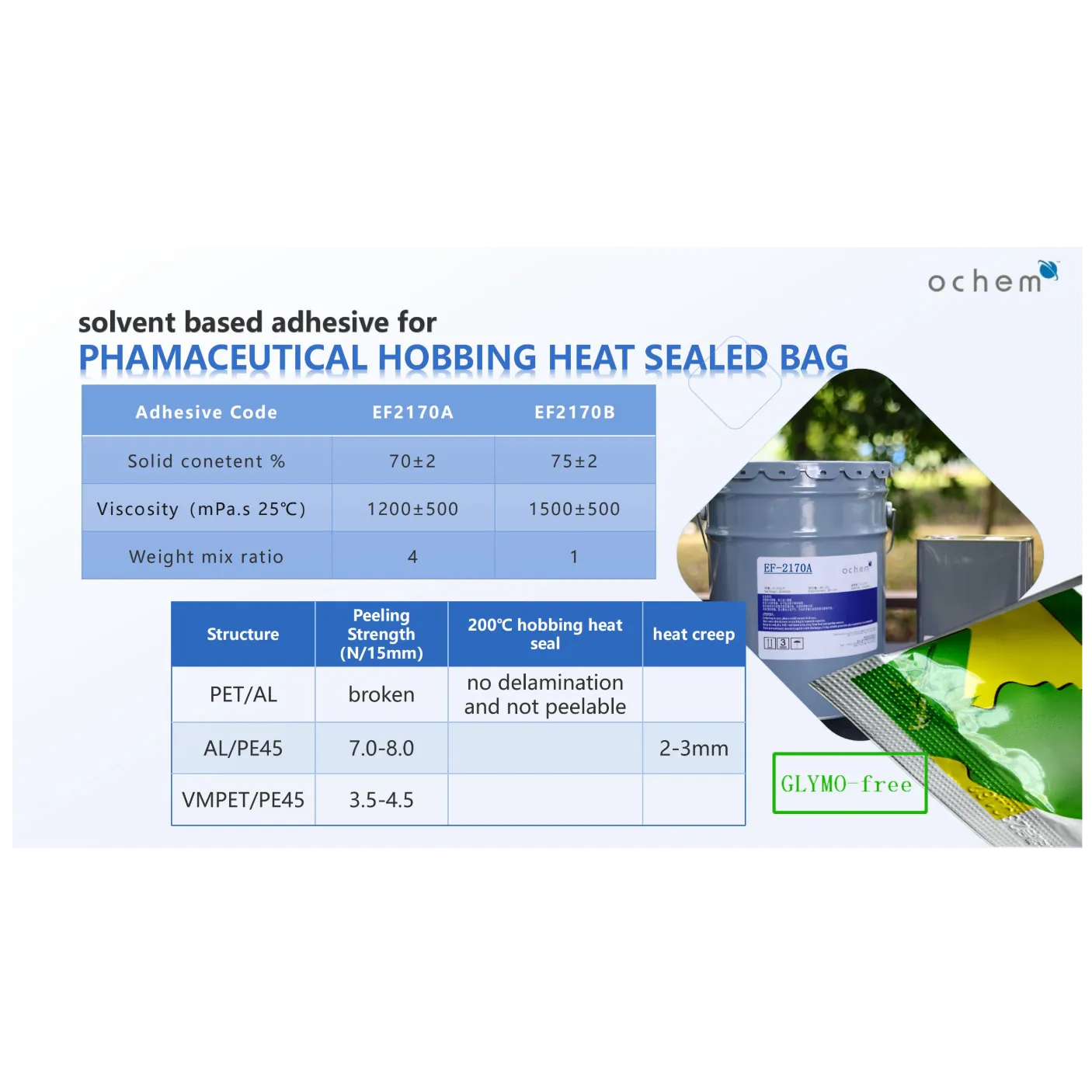
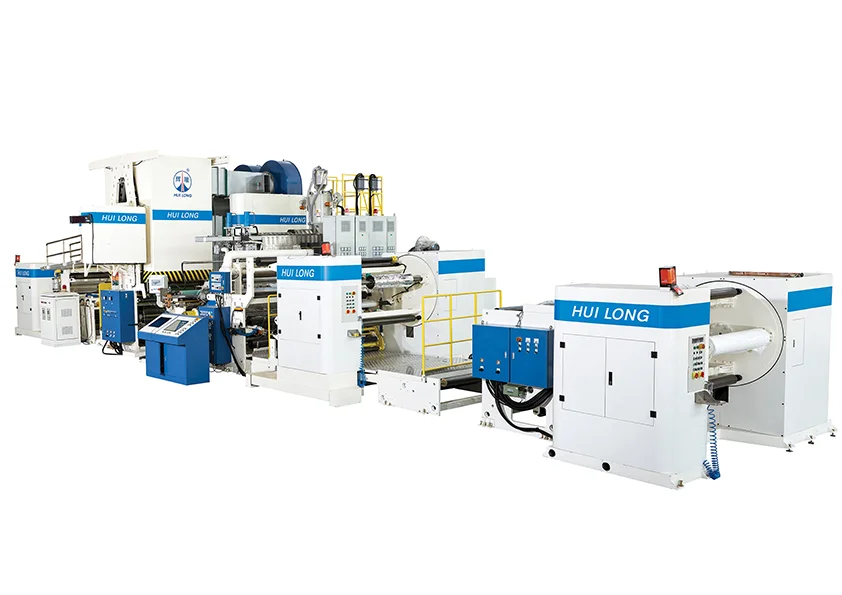
| 軟性包裝 | 溶劑型 polyurethane | 層壓 | PET、PE、BOPP、CPP、鋁箔結構。 |
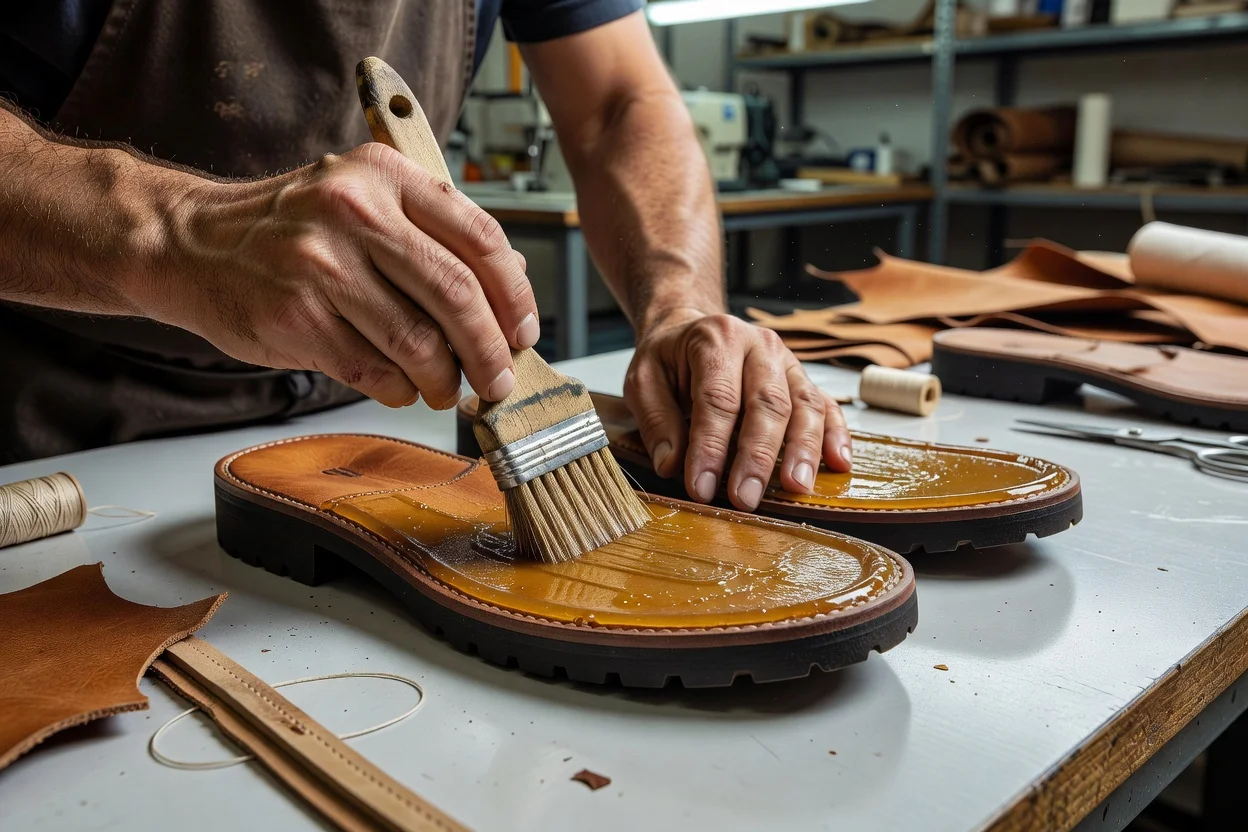
| 鞋類 | Polychloroprene 或 PU 接觸黏合劑 | 雙塗接觸接合 | 皮革、橡膠、合成鞋面、泡棉。 |
| 汽車內裝 | PU、氯丁橡膠或 acrylic | 層壓、飾條組裝 | 泡棉、織物、塑膠、vinyl、頭襯。 |
| 建築 | 橡膠或 PU 層壓黏合劑 | 面板接合、膜層壓 | 絕緣、屋頂膜、木製品。 |
| 家具與木工 | 接觸黏合劑、PU、acrylic | 貼面、層壓、邊緣與表面接合 | 木材、層壓材料、裝飾表面。 |
| 紡織與塗佈織物 | PU 或 acrylic | 層壓、塗佈 | 織物、合成皮革、襯裡。 |
| 工業組裝 | Acrylic、PU、氯丁橡膠 | 噴塗、滾塗或珠狀施用 | 金屬、塑膠、橡膠、複合材料。 |
主要市場特性
- 軟性包裝 常使用溶劑型 polyurethane adhesives 製作多層層壓材料,因為它們能接合異質膜並提供耐用夾層性能。
- 鞋類 仍是溶劑型經典領域,因為 contact adhesives 提供強力早期抓力及重複彎曲下的柔韌性。
- 汽車內裝 使用這些 adhesives 進行飾條層壓及複合組裝,其中振動阻尼、熱耐久性及混合基材附著力很重要。
- 建築 應用包括絕緣板、屋頂膜及裝飾層壓,特別適合需要快速安裝及高初始抓力的場合。
- 家具與裝飾 用於貼面、層壓、壁紙及天花板材料,尤其以接觸黏合劑形式使用。
較不理想的應用是 高溫結構接合,溶劑型 adhesives 通常不如工程結構 epoxy、反應性 polyurethane 或其他熱固性系統,能提供更高的長期熱阻及抗蠕變性。溶劑型 adhesives 通常更適合柔性、快速或表面敏感接合,而非重載結構接合。
環境與永續性面向
溶劑型 adhesives 的主要環境缺點是依賴揮發性有機溶劑,會造成 VOC 排放、氣味、易燃性及職場暴露疑慮。因此法規壓力一直是推動市場朝低排放系統及改善製程控制的主要力量。
可回收性與循環性
- 機械回收相容性 在 adhesives 污染塑膠流時受限,尤其在多層層壓或高度接合組件中。
- 設計拆解 當接合 intentionally 永久或高黏性時困難。
- 化學回收 及溶劑型分層方法可能有助於特定多層結構,但非通用解決方案。
- 溶劑回收 系統可減少排放並改善大型工廠的經濟效益,儘管會增加資本及營運成本。
生物基與低影響替代方案
- 水性 adhesives 降低 VOC,並在許多包裝、家具及建築用途中日益具競爭力。
- 高固體分系統 降低溶劑含量,同時保留溶劑型化學的部分潤濕及加工優勢。
- 熱熔及反應性系統 在許多應用中完全消除溶劑揮發。
- 生物基溶劑與樹脂 正在開發中,但性能、成本及法規資格仍依應用而定。
溶劑型 adhesives 的碳足跡不僅受樹脂生產影響,也受溶劑製造、回收、處置及大氣排放影響。在許多工業環境中,最大的永續性收益來自改用低排放化學品,或重新設計產品架構以避免黏合劑密集層壓(若可行)。
經濟與全球市場影響
溶劑型 adhesives 仍具經濟重要性,因為它們支持既有的製造線,尤其在鞋類、軟性包裝、汽車內裝、家具及建築層壓中。其市場地位在轉換水性系統需大量重新認證、新乾燥基礎設施或性能折衷的場合最強。
全球主要供應商包括大型黏合劑及特化化學公司,如 3M、H.B. Fuller、Covestro 相關技術平台及其他服務區域製造集群的工業配方商。市場也因在地黏合劑生產商而碎片化,這些生產商會依基材、氣候及設備限制調整配方。
根據近期產業討論,需求受以下因素影響:
- 軟性包裝及輕量化內裝的成長,
- 鞋類及家具供應鏈的持續製造,
- VOC 法規收緊,
- 成熟市場中低排放技術的穩定替代。
當前挑戰與創新
核心挑戰是在性能與環境及法規限制之間取得平衡。此張力正推動多條創新路徑。
- 低 VOC 配方:在保留黏性及潤濕性的同時降低溶劑含量。
- 更安全溶劑系統:在可能時轉向危害較低的溶劑混合物,儘管乾燥速率及溶解力仍有取捨。
- 改善施用控制:採用計量更好的噴塗、卷材及滾塗系統,減少過噴及溶劑損失。
- 強化接合設計:調整 additives 及樹脂結構以改善耐熱、耐濕及抗塑化劑遷移性。
- 基材特定附著力:新等級針對難以可靠接合的低表面能塑膠及塗佈材料。
一項實務技術趨勢是在適度添加量下使用精心選擇的添加劑組合,以改善性能而不犧牲加工性。例如,polychloroprene contact adhesives 中的氯化橡膠改性劑可大幅提升橡膠對金屬系統的初始接合強度,而橡膠基 adhesives 中的增黏劑可改善濕抓力及壓敏行為。
未來展望
溶劑型 adhesives 不太可能消失,但其角色預期將更專門化。它們將在基材多樣性、快速黏性及成熟製程相容性優於 VOC 排放及安全控制缺點的應用中維持重要性。
最可能的未來模式是更窄但技術更強的市場:
- 保留使用 於鞋類、特定層壓、特殊汽車飾條及難以接合的工業組件。
- 逐步取代 於水性、熱熔或反應性無溶劑系統可匹配性能的應用。
- 持續配方改革 朝向低 VOC、更安全及更高效產品。
- 更重視循環性,包括更容易拆解、降低回收流污染及整合溶劑回收。
在更廣泛的塑膠生態系統中,溶劑型 adhesives 將繼續作為複合材料、多層層壓、軟性包裝結構及混合材料組件的賦能材料。其長期競爭力將取決於能否保留其眾所周知的加工優勢,同時滿足日益嚴格的永續性及職業安全期望。
摘要
溶劑型 adhesives 是以溶解聚合物為基礎的高性能接合材料,溶劑揮發後形成接合。它們在快速黏性、強力潤濕及困難基材的穩健接合方面仍具技術價值,尤其適用於包裝、鞋類、汽車內裝、建築、紡織及家具。其核心挑戰是環境議題:VOC 排放、易燃性及法規壓力正穩步推動產業朝低排放替代方案及更專門、最佳化的配方發展。
參考文獻
- •
Solvent-Based Adhesives: Types, Applications, and How to Choose ... (2026, August 20). https://www.zjhyang.com/news/industry-news/solventbased-adhesives-types-applications-and-how-to-choose-the-right.htmlLink
- •
Solvent-based polyurethane adhesives: properties, applications, and performance characteristics. (2025, August 11). https://www.polyether-factory.com/archives/37437Link
- •
Solvent-Based Adhesives: Uses & Benefits in Industry - Unichem. (2025, September 22). https://unicheminc.com/industrial-adhesives/solvent-based-adhesives-in-modern-manufacturing-advantages-and-applications-2/Link
- •
Solvent-Based Adhesives. (n.d.). https://aleenes.com/blogs/glossary/solvent-based-adhesivesLink
- •
Why choose solvent-based adhesives? (2025, June 23). https://rhadhesives.com/why-chose-solvent-based-adhesives/Link
- •
Solvent-Based Adhesives | Acrylic, Thermoplastic & .... (n.d.). https://www.hbfuller.com/en/technologies/solvent-based-adhesivesLink
- •
How Solvent-Based Adhesives Work - Engineer Fix. (2025, October 31). https://engineerfix.com/how-solvent-based-adhesives-work/Link
- •
Solvent-Based Adhesive - 3 Sigma. (2022, May 25). https://3sigma.cc/pressure-sensitive-adhesives/solvent-based-adhesive/Link
- •
Solvent Based Adhesives. (n.d.). https://www.silmid.com/us/adhesives/solvent-based-adhesives/Link
- •
How Solvent-Based Adhesives Works — In One Simple .... (2025, October 24). https://www.linkedin.com/pulse/how-solvent-based-adhesives-works-one-simple-lb2afLink
- •
How Solvent-Based Adhesives Works — In One Simple Flow (2025). (2025, November 5). https://www.linkedin.com/pulse/how-solvent-based-adhesives-works-one-simple-flow-2025-wnmreLink
- •
Solvent-Based Polyurethane Adhesives: Composition, Performance .... (n.d.). https://www.ruicoglobal.com/news/solventbased-polyurethane-adhesives-composition-performance-and-industrial-applications.htmlLink
- •
Solvent-Based vs Waterborne vs High-Solids Coatings. (2026, June 5). https://www.globalformulation.com/solvent-based-vs-waterborne-vs-high-solids-coatings-adhesives/Link
- •
Solvent-based adhesives. (n.d.). https://www.kleiberit.com/en/products/solvent-based-adhesivesLink
- •
Solvent-based adhesive - ACROM. (n.d.). https://www.acrom.fr/en/industrial-adhesives/solvent-based-adhesive/Link
- •
Solvent-Based Adhesives | ForzaBuilt. (n.d.). https://forzabuilt.com/chemistries/solvent-based/Link
- •
Scotch-Weld Solvent-based Adhesives. (2025, January 1). https://www.3m.com/3M/en_US/p/c/adhesives/flexible/solvent-based/b/scotch-weld/Link
- •
Adhesive, Solvent Based, Epoxy Glue | Rainbow Adhesives. (2020, September 3). https://rainbowadhesives.com/solvent-based-adhesivesLink
- •
3M Solvent-based Adhesives. (n.d.). https://www.3m.com/3M/en_US/p/c/adhesives/flexible/solvent-based/Link
- •
第201篇|溶劑型接著劑. (n.d.). https://aplc.com.tw/news/details.php?id=50953Link
- •
A guide to solvent-based Adhesives -. (n.d.). http://www.chemoxy.com/about-2/knowledge-hub/a-guide-to-solvent-based-adhesives/Link
- •
Uncategorized Archives. (2025, June 23). https://rhadhesives.com/category/uncategorized/Link
- •
Types of solvent-based adhesives - صنایع شیمیایی چسب و رزین بن. (2026, February 23). https://bonadhesive.ir/en/glue/solvent-based-adhesive/Link
- •
Solventborne adhesives | Technology by Covestro. (n.d.). https://solutions.covestro.com/en/highlights/articles/theme/product-technology/solventborne-adhesivesLink
- •
Solvent vs. Solvent-Free Adhesives Explained. (2026, April 15). https://www.bond-tech-industries.com/blog/what-is-the-difference-between-solvent-and-non-solvent-adhesives-a-side-by-side-comparison/Link
- •
Solvent Based - Ellsworth Adhesives. (n.d.). https://www.ellsworth.com/products/adhesives/solvent-based/Link
- •
Contact Adhesives. (2004, June 16). https://www.specialchem.com/adhesives/guide/contact-adhesivesLink
- •
Unveiling Solvent-Based Adhesives. (n.d.). https://apexadhesive.com/unveiling-solvent-based-adhesives-versatility-applications-and-considerations-for-strong-bonds/Link
- •
Solvent-Based Adhesives | Chemical Concept. (2022, April 16). https://www.chemical-concepts.com/product-category/adhesives/solvent-based/Link
- •
Solvent-Based vs. Water-Based Adhesives. (2026, March 5). https://www.linkedin.com/pulse/solvent-based-vs-water-based-adhesives-whats-real-difference-slglcLink
- •
Solvent Based Adhesive vs Water Based Adhesive - Citifix. (2026, August 22). https://citifix.in/blog/solvent-based-vs-water-based-adhesive-indiaLink
- •
Solvent-Based vs. Water-Based Adhesives: Pros and Cons. (2023, November 19). https://forzabuilt.com/blog/solvent-based-vs-water-based-adhesives-pros-and-cons/Link
- •
Solvent-free v solvent-based adhesive: Which is best for you? (2022, June 27). https://www.forgeway.com/learning/blog/solvent-free-v-solvent-based-adhesiveLink
- •
Low VOC solvent-based polychloroprene contact adhesive. (2001, June 29). https://patents.google.com/patent/US6469082B1/enLink
- •
Solvent Based Adhesive - Contact Adhesive Supplier. (n.d.). https://www.plywoodcompany.com/pl/adhesives-contact-adhesive-contact-adhesive-solvent-based-adhesive/831Link
- •
Question about solvent based adhesives : r/chemistry. (2025, October 6). https://www.reddit.com/r/chemistry/comments/1ni6033/question_about_solvent_based_adhesives/Link