
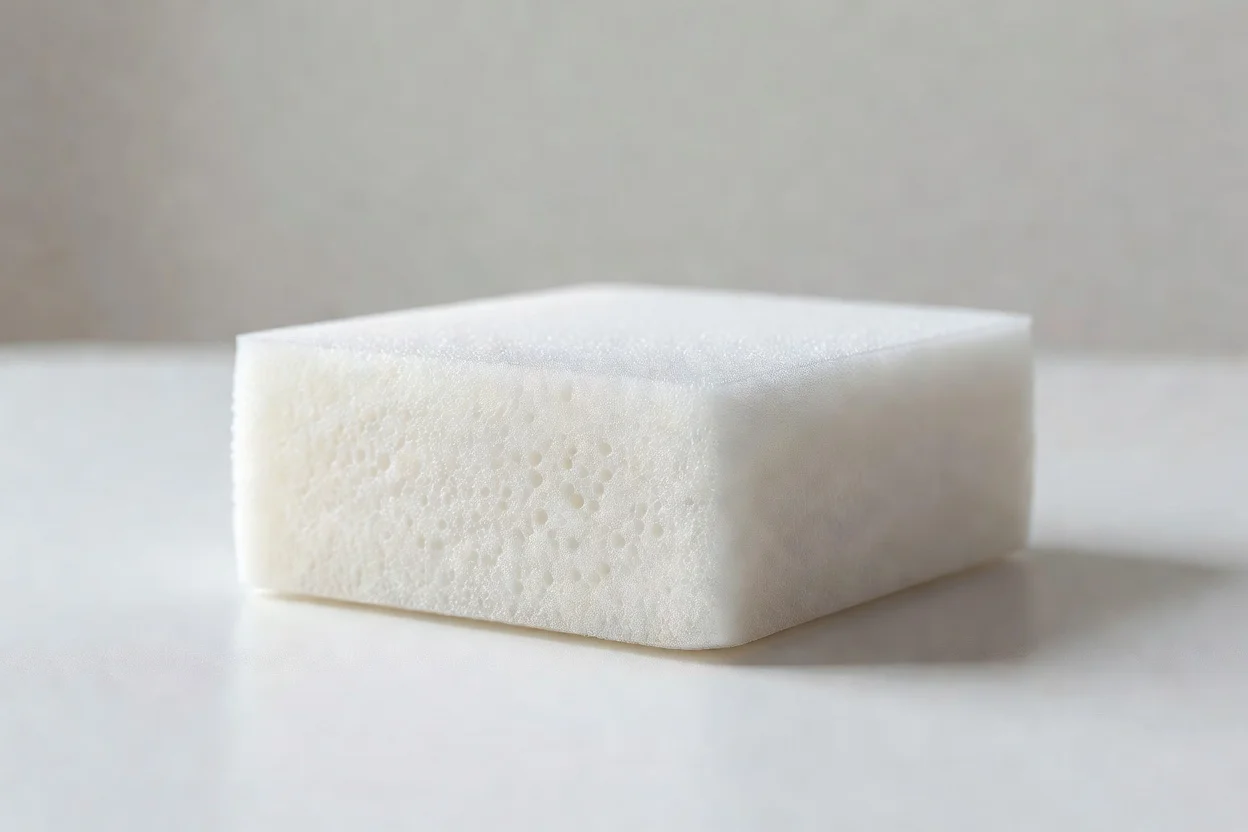
簡介
聚氨酯 (PU,亦寫作 PUR) 是一個龐大的聚合物家族,以胺基甲酸酯鍵結為核心,透過異氰酸酯與多元醇反應製成,通常搭配催化劑及其他助劑來調整性能。它涵蓋從軟質 elastomers、硬質結構塑膠、軟質與硬質發泡體、coatings、adhesives、密封劑、纖維到熱塑性等級的材料,使其成為塑膠產業中適應性最強的原料系統之一。
其商業重要性建立在分子設計上:透過調整軟段與硬段、交聯密度、chain extenders 以及配方 additives,製造商可從緩衝發泡體轉換至承重輪、絕緣板、保護性 coatings 以及醫療器材。PU 也是永續性辯論的焦點,因為傳統製程高度依賴化石原料與異氰酸酯,但化學技術正日益轉向水性系統、低 VOC 配方、回收含量途徑以及生物基多元醇。
歷史與發展
聚氨酯化學於 1930 年代由 Otto Bayer 及其同事開發,第二次世界大戰後,隨著發泡體、塗料、黏合劑及彈性體技術成熟,逐漸擴展為廣泛的工業平台。隨著時間推移,該材料類別已多元化為軟質發泡體、硬質發泡體、澆鑄 elastomers、thermoplastic polyurethane (TPU),以及用於生物醫學、汽車、建築與電子用途的特殊系統。
此發展的一個關鍵特徵是配方靈活性,而非單一固定的樹脂身分。同樣的核心反應化學已被調整以解決截然不同的需求,從建築隔熱到工業零件的耐磨性,以及床墊與座椅的舒適性。
化學結構與關鍵特性
PU 材料含有透過聚加成化學形成的胺基甲酸酯基團,通常來自二異氰酸酯或聚合異氰酸酯加上多元醇,並可選擇性加入 chain extenders 與催化劑。所產生的形態常分離為軟段與硬段,形成微相分離結構,結合彈性與強度。
常見的特性優勢包括:
- 耐磨性 與耐用性,特別是在 elastomers 與 TPU 中。
- 高抗撕裂強度 與良好的承載能力。
- 廣泛的硬度範圍,從軟質發泡體到硬質塑膠與 elastomers。
- 許多配方具備良好的低溫柔韌性。
- 對多種基材具有強黏附力,適用於 coatings 與 adhesives。
實際限制包括:
- 某些聚酯基等級的水解抵抗性差 → 原因:酯鍵在熱與濕氣下斷裂 → 解決方法:使用聚醚基多元醇、水解穩定 stabilizers,或設計用於乾燥服務條件。
- 許多芳香族 PU 系統對 UV 與風化敏感 → 原因:聚合物網路的光氧化 → 解決方法:使用脂肪族異氰酸酯基面漆、UV absorbers、HALS stabilizers,或保護性多層設計。
- 生產期間異氰酸酯相關的職業危害 → 原因:反應性、致敏單體 → 解決方法:封閉式加工、通風、暴露控制,以及增加使用預聚物或替代水性技術。
- 許多 PU 發泡體與薄膜的 O2 與油脂阻隔性差 → 原因:相對開放的聚合物矩陣與配方依賴的滲透性 → 解決方法:阻隔 coatings、層壓或多層結構。
一些實用特性範例說明其範圍:商業 PU elastomers 可配製於 Shore A 20 至 Shore D 70,拉伸強度通常在數十 MPa,伸長率經常超過 400%,而硬質發泡體則設計為低密度與隔熱性能,而非延展性。
生產製程與原料
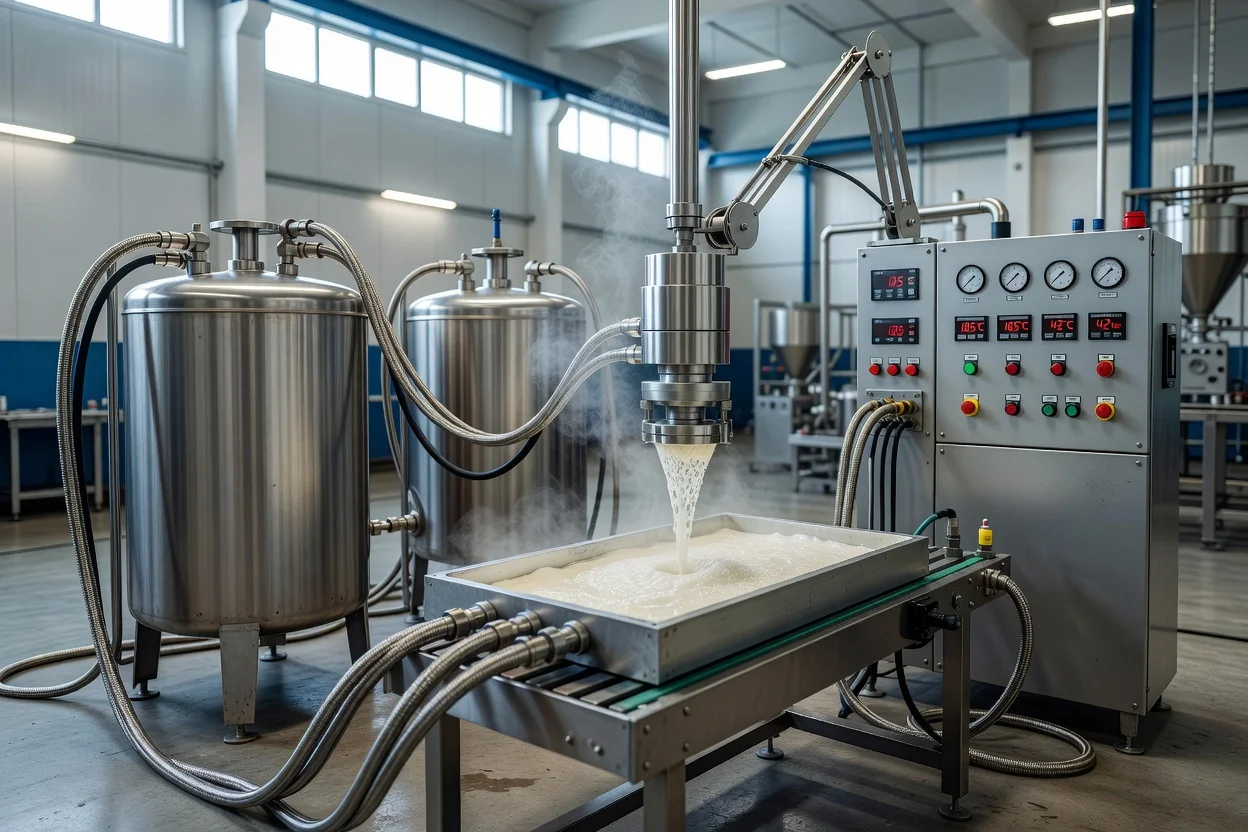
PU 生產通常為逐步成長製程,將異氰酸酯流與多元醇流結合,然後以 chain extenders、催化劑、界面活性劑、blowing agents、pigments、填料、flame retardants 與 stabilizers 調整。確切配方決定輸出成為發泡體、彈性體、塗料、黏合劑、密封劑或 TPU。
主要原料輸入包括:
- 二異氰酸酯,如 MDI 與 TDI,提供硬段化學。
- 多元醇,包括聚醚多元醇與聚酯多元醇,控制柔韌性、水解抵抗性與加工性。
- Chain extenders,如低分子量二醇或二胺,增加硬段含量與機械強度。
- Additives,包括催化劑、矽酮界面活性劑、flame retardants、pigments 與填料,塑造反應速率、細胞結構、防火性能、顏色與成本。
在發泡體製造中,chemical blowing agents 或物理氣體產生形成細胞結構,而 coatings 與 adhesives 則依賴仔細平衡的反應性、黏度與固化輪廓。TPU 的生產方式不同於熱固性 PU 系統,因為它是可熔融加工的彈性體聚合物,這擴大了加工選擇,如擠出與射出成型。
應用與終端市場
PU 橫跨幾乎整個塑膠價值鏈,因為化學可調整為舒適性、隔熱、保護、密封、黏合與耐用承重零件。
| 終端用途領域 | 典型 PU 形式 | 常見加工途徑 | 主要功能 |
|---|---|---|---|
| 床墊與家具 | 軟質發泡體 | Slabstock 或模塑發泡體 | 緩衝與回彈 |
| 汽車內裝 | 軟質發泡體、coatings、elastomers、TPU | 發泡、塗佈、成型 | 舒適性、減重、耐磨性 |
| 建築 | 硬質發泡體、密封劑、adhesives、coatings | 面板發泡、筒裝應用、噴塗系統 | 隔熱、黏合、防水 |
| 鞋類 | TPU、elastomers、發泡體 | 射出成型、壓縮、澆鑄 | 鞋底、中底、耐磨零件 |
| 電氣與電子 | 灌封化合物、封裝劑 | 澆鑄與分配 | 絕緣與保護 |
| 醫療器材 | TPU、coatings、specialty elastomers | 擠出、成型、塗佈 | 管材、導管、傷口護理、器材 |
| 工業零件 | Elastomers、輪子、滾輪、密封件 | 澆鑄、成型 | 耐磨與承載 |
| 紡織與合成皮革 | Coatings 與薄膜 | 塗佈與層壓 | 表面處理、柔韌性、美觀 |
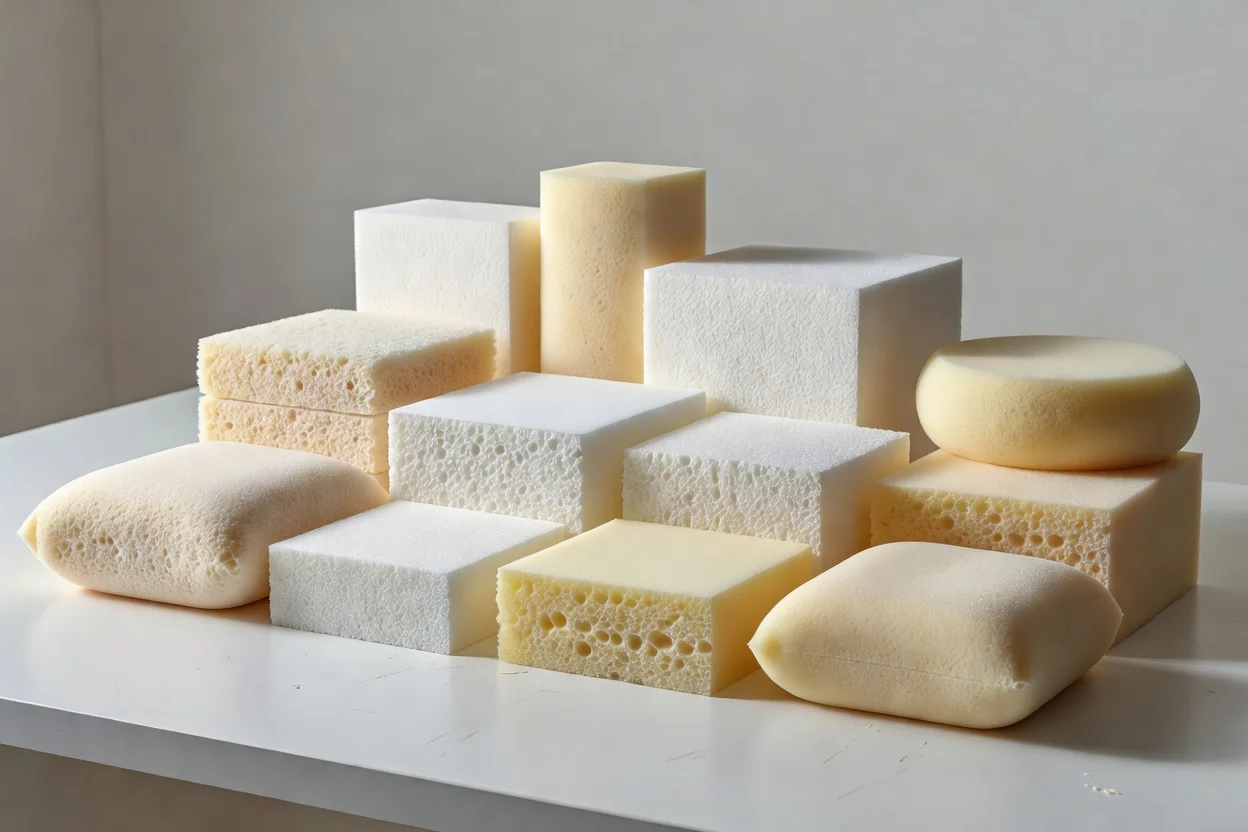
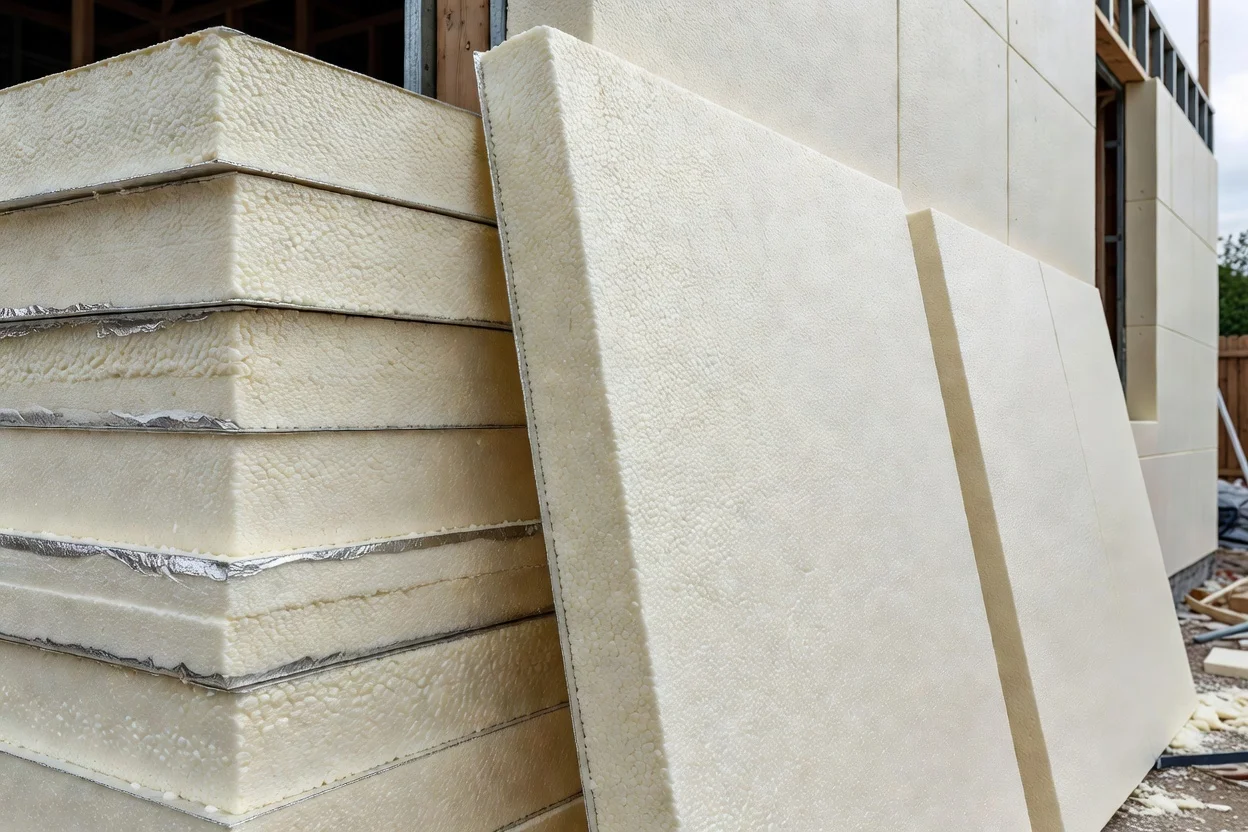
軟質 PU 發泡體是床墊、軟墊家具、地毯底墊、包裝與汽車座椅的主導選擇,因為它結合回彈性、舒適性與高效量產。硬質 PU 發泡體廣泛用於絕緣板、冰箱、噴塗發泡體、區域能源設備與管道絕緣,因為它在低密度下提供低熱傳導率。
PU elastomers 與 TPU 適合用於輪子、滾輪、墊圈、密封件、皮帶、電纜護套與易磨損機械零件,在這些應用中抗撕裂強度與耐磨性比低成本更重要。在醫療與生物醫學市場,PU 用於管材、導管、傷口敷料、義肢以及某些植入或生物介面材料,因為它可配製為柔韌且具生物相容性。
一個不適合的用途是在高度水解或強 UV 暴露環境中的長期暴露,若配方未經特別穩定,傳統 PU 在這些條件下的老化速度會比更專業的工程塑膠或氟聚合物快。
環境與永續性面向
PU 呈現混合的永續性概況。一方面,硬質發泡體可在建築與冷藏中提供顯著的生命週期能源節省,因為其隔熱性能降低操作能源需求。另一方面,大多數主流 PU 系統仍與化石基原料、異氰酸酯化學以及難以大規模機械回收的複雜多材料產品相關聯。
可回收性受產品類型多樣性限制:
- 熱固性發泡體與 coatings 通常難以重新熔融與再加工。
- TPU 因其為熱塑性,更適合機械回收。
- 化學回收 途徑,包括醇解與相關解聚方法,可回收富含多元醇的部分,但經濟性與原料純度仍是主要限制。
- 設計拆解 與單一材料配方可改善可回收性,特別是在汽車與鞋類應用中。
生物基替代品正在擴展,特別是來自植物油、糖、木質纖維素途徑與捕獲碳途徑的生物基多元醇。這些選擇可降低化石碳強度,但性能等同性、供應規模與認證在各等級間仍不均勻。
從配方角度來看,數種 additives 影響永續性權衡。例如,軟質發泡體系統中通常使用 1 至 3 phr 的矽酮界面活性劑來穩定細胞形成,而阻燃劑包或催化劑可改善性能,但使回收與毒理管理複雜化;機制通常是界面穩定、反應速率控制或成炭促進,而非簡單的體積強化。
經濟與全球市場影響
PU 是一個主要的全球塑膠平台,因為它同時服務商品量與特殊價值市場。需求與建築隔熱、汽車內裝、家具、鞋類、家電與工業維護密切相關。
市場由異氰酸酯、多元醇與配方系統生產商塑造,以及大型整合 PU 加工商與 compounders。全球領先影響力通常與亞洲、歐洲與北美的主要化學集團及區域系統廠相關,反映整合原料供應與應用特定配方能力的重要性。
經濟敏感度高,因為 PU 定價取決於上游能源成本、芳香族原料經濟、物流以及圍繞工人暴露與排放的法規遵循。這使得該產業對建築週期、車輛生產與家電需求的變化特別敏感。
當前挑戰與創新
當前挑戰包括:
- 異氰酸酯處理與排放控制 的職業安全。
- 熱固性豐富與多材料 PU 產品的回收困難。
- 防火性能要求,特別是在建築與運輸中,這通常增加添加劑複雜性。
- 水解抵抗性、柔軟度與成本之間的耐久性權衡。
創新正朝多個方向積極發展:
- 用於低 VOC coatings 與 adhesives 的水性 PU 分散體。
- 開發中的非異氰酸酯聚氨酯類系統,以降低單體毒性與法規負擔。
- 生物基多元醇 與可再生含量配方。
- 用於醫療、保護與先進製造用途的自癒、形狀記憶與智慧 PU 材料。
- 回收導向 PU 設計,包括化學分解相容配方與更好的廢棄物分離。
一個特別重要的技術趨勢是從純性能設計轉向性能加循環性,配方團隊現在會在機械性能之外,同時考量生命終端行為、再製造相容性與含量可追溯性。
未來展望
PU 很可能繼續作為核心材料平台,因為其化學可適應許多產業的隔熱、耐久性、舒適性、密封與黏合需求。最強勁的成長機會很可能來自節能建築、輕量化移動、高價值 TPU 應用、醫療器材以及低排放塗料與黏合劑系統。
未來競爭力將取決於四個相互連結的發展:
- 更廣泛使用可再生與回收原料,
- 更多可回收產品架構,
- 更安全且更自動化的加工系統,
- 以及持續改善耐久性對足跡比率。
如果這些轉型加速,PU 可保留其性能領導地位,同時減少目前定義該材料類別的一些環境與法規壓力。
摘要
聚氨酯 是一個高度可調的聚合物家族,其化學使發泡體、elastomers、coatings、adhesives、密封劑與 TPU 具備截然不同的性能輪廓。其價值在於分子多功能性,但其未來取決於更安全的加工、更好的回收以及更低碳原料,因為塑膠產業正邁向循環性。
參考文獻
- •
Polyurethane. (2002, April 9). In Wikipedia. https://en.wikipedia.org/wiki/PolyurethaneLink
- •
Polyurethane (PU) polymers: Properties, applications & ... (2026, January 22). Rheolution. https://rheolution.com/application-notes/polyurethane-polymers/Link
- •
Polyurethane applications: A review. (n.d.). IJFMR. https://www.ijfmr.com/papers/2024/3/21368.pdfLink
- •
PU (polyurethane) plastic: Characteristics, applications ... (2025, November 7). Thaiduong Plastics. https://thaiduongplastics.com/en/news/polyurethane-plastics/Link
- •
Polyurethane (PU) based multifunctional materials. (2022, October 10). Wiley. https://onlinelibrary.wiley.com/doi/full/10.1002/app.52832Link
- •
PU polyurethane material characteristics. (2023, August 23). KT Belt. https://en.ktbelt.com/news/70.htmlLink
- •
Updates on polyurethane and its multifunctional applications ... (n.d.). Politecnico di Milano. https://re.public.polimi.it/retrieve/4283ef17-9ea7-4dd0-a8e1-3d496ba2c9d1/Miri_2023_Prog._Biomed._Eng._5_042001_red.pdfLink
- •
Polyurethane. (2004, March 2). In Wikipedia. https://de.wikipedia.org/wiki/PolyurethaneLink
- •
A comprehensive review of polyurethane: Properties ... (n.d.). ScienceDirect. https://www.sciencedirect.com/science/article/abs/pii/S0032386125003477Link
- •
Polyurethane (PU). (2025, October 21). Hydromer. https://hydromer.com/coatings-glossary/polyurethane-pu/Link
- •
What is polyurethane (PU)? Types, properties & uses ... (2021, December 1). Kimpur. https://kimpur.com/en/what-is-polyurethane/Link
- •
Polyurethane (PU/TPU) properties & applications. (n.d.). Rubber Mexico. https://rubber-mexico.com/products/polyurethane-pu-tpuLink
- •
Polyurethanes: Preparation, properties, and applications volume 1: Fundamentals. (2023, November 5). ACS Publications. https://pubs.acs.org/doi/10.1021/bk-2023-1452.ch001Link
- •
Industrial applications of polyurethane resin by sector. (2025, October 16). ChemAnalyst. https://www.chemanalyst.com/Blogs/industrial-applications-of-polyurethane-resin-by-sector-69Link
- •
Polyurethane (PU). (2024, February 29). sensXPERT. https://www.sensxpert.com/glossary/polyurethane-pu/Link
- •
What is PU plastic? Properties, uses, and safety ... (2026, March 9). Science Insights. https://scienceinsights.org/what-is-pu-plastic-properties-uses-and-safety/Link
- •
What is polyurethane (PU) and what properties does it have? (n.d.). Asma Poland. https://asmapoland.com/en/what-is-polyurethane-pu-and-what-its-properties/Link
- •
Technical data sheet polyurethane. (n.d.). Laminated Plastics. https://laminatedplastics.com/polyurethane.pdfLink
- •
Polyurethane (PU) plastic materials. (n.d.). Goodfellow. https://www.goodfellow.com/material/polymers/pu-polyurethaneLink
- •
Polyurethane: Everything you need to know. (2023, June 21). Enri Leblanc. https://www.enri-leblanc.com/polyurethane-everything-you-need-to-know-about-this-material/Link
- •
What is polyurethane rubber (PU): Properties & specifications. (n.d.). Ascent SBR. https://www.ascent-sbr.com/knowledge/information/what-is-polyurethane-rubber-pu-products-properties-structure-specifications-hs-code-molecular-property-formula-specific-density-flakes-solid-powder-pearls-liquidcrystal-liter-solution-material-molecular-property-formula-specific-density-safe-hazarous-harmful-chemical-raw-materials.htmlLink
- •
What is polyurethane? (n.d.). Polyurethanes.org. https://polyurethanes.org/what-is-it/Link
- •
Difference between TPU and PU. (2020, March 10). FacFox. https://facfox.com/docs/kb/difference-between-tpu-and-puLink
- •
Polyurethane. (2009, November 14). In Simple English Wikipedia. https://simple.wikipedia.org/wiki/PolyurethaneLink
- •
Chapter 1. (n.d.). ACS Publications. https://pubs.acs.org/doi/pdf/10.1021/bk-2021-1399.ch001Link
- •
Is polyurethane a plastic or rubber? (2023, July 5). Elastomer. https://elastomer.co.uk/blog/is-polyurethane-a-plastic/Link
- •
Polyurethanes (PUR). (n.d.). PURPLAN. https://www.purplan.com/en/glossary/term/polyurethanes-purLink
- •
Polyurethanes: An introduction. (2024, February 9). AZoM. https://www.azom.com/article.aspx?ArticleID=217Link
- •
An overview of polyurethane fabric. (2023, February 3). Mitchell Faux Leathers. https://mitchellfauxleathers.com/home/faux-leather-viewpoint/viewpoint/2023/02/03/an-overview-of-polyurethane-fabricLink
- •
Polyurethane: Definition, properties, types and applications. (2023, December 15). RTPrototype. https://www.rtprototype.com/what-is-polyurethane/Link
- •
List of polyurethane applications. (2010, February 27). In Wikipedia. https://en.wikipedia.org/wiki/List_of_polyurethane_applicationsLink
- •
Polyurethane coatings: How to formulate them? (2025, July 8). SpecialChem. https://www.specialchem.com/coatings/guide/polyurethane-coatingsLink
- •
Polyurethane adhesive & sealants: Properties, uses & PU ... (2025, June 30). SpecialChem. https://www.specialchem.com/adhesives/guide/polyurethane-resinsLink
- •
Polyurethane: An overview. (n.d.). ScienceDirect. https://www.sciencedirect.com/topics/materials-science/polyurethaneLink
- •
Polyurethane applications. (n.d.). American Chemistry Council. https://www.americanchemistry.com/industry-groups/center-for-the-polyurethanes-industry-cpi/applications-benefits/polyurethane-applicationsLink
- •
Polyurethane material: Foam, leather & uses. (2026, March 14). Pursuit Industries. https://pursuitind.com/polyurethane-material/Link
- •
Polyurethane material introduction and industry insight. (n.d.). Taiwan PU. https://www.taiwanpu.com/en/about/Polyurethane-Material-Introduction-and-Industry-InsightLink