
Introduction
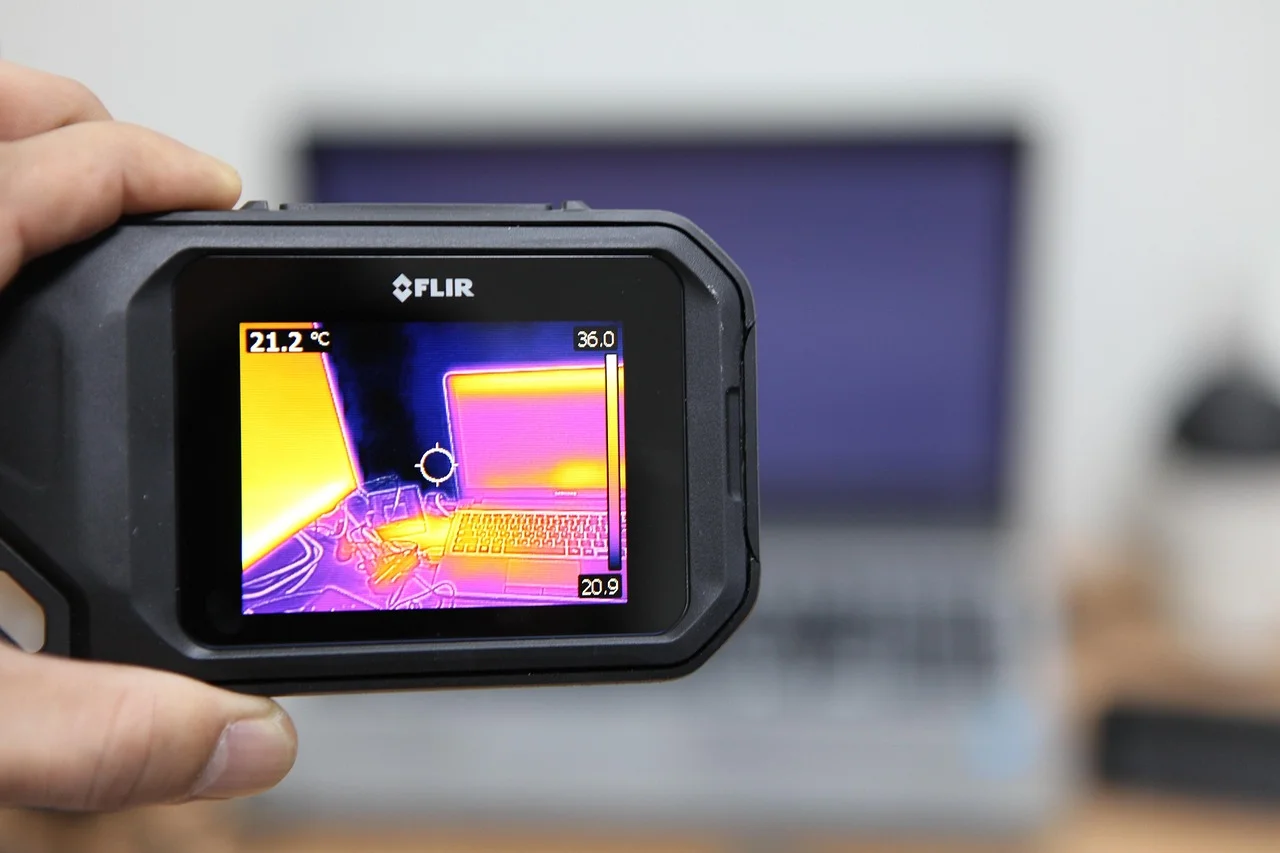
Measuring and testing equipment for thermal properties comprises laboratory and production-oriented instruments used to determine how materials store, transfer, and dissipate heat. In plastics processing, these instruments are essential for formulation development, resin qualification, insulation design, thermal management, and quality control because thermal conductivity, thermal diffusivity, specific heat capacity, and thermal effusivity strongly influence processing behavior and end-use performance.
The field includes both steady-state instruments, which measure heat flow after a stable temperature gradient is established, and transient instruments, which infer thermal properties from a material’s short-term response to a heat pulse or changing thermal field. Common systems include heat flow meters for insulating materials, transient plane source platforms for polymers and composites, transient hot-wire and transient line-source devices for liquids and porous media, and laser flash analyzers for diffusivity-focused testing of higher-conductivity solids.
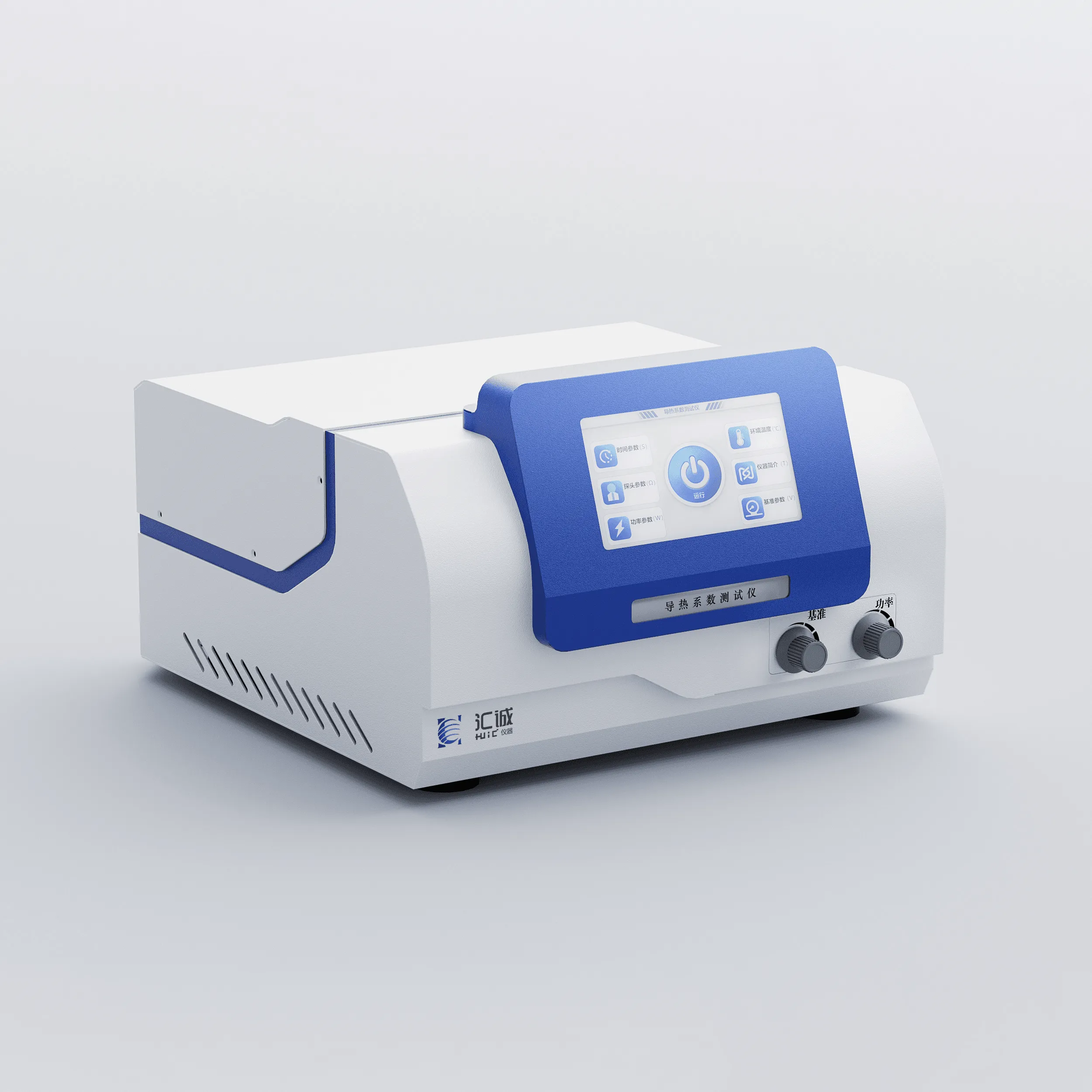
For plastics, these instruments are especially relevant because polymer thermal behavior is often sensitive to crystallinity, filler loading, orientation, moisture, and anisotropy. That makes thermal property testing valuable not only in research and development, but also in production control for compounds, foams, packaging, building products, electrical components, and thermally conductive plastics used in electronics and automotive applications.
The technology has evolved from slow, manual steady-state methods toward faster, more automated platforms that can test a wider range of sample types with reduced specimen preparation. Recent commercial systems emphasize non-destructive testing, broader temperature coverage, standards compliance, and automated data analysis, while sustainability concerns have pushed demand for instruments that support lightweighting, energy-efficient materials, and circular-economy product design.
History and development
The development of thermal property testing followed the broader maturation of thermal analysis in materials science. Early laboratory practice relied heavily on steady-state conductivity methods, in which a known temperature difference is imposed across a specimen and heat flow is measured after equilibrium is reached. These methods established the basis for modern guarded hot plate and heat flow meter systems used for insulation and construction materials.
A major step forward came with the adoption of transient methods, which made testing faster and more versatile for materials that are difficult to stabilize at steady state or that require minimal sample preparation. The transient plane source approach became especially influential for polymers and composites because it can measure thermal conductivity, diffusivity, and specific heat capacity in a single platform and is standardized for plastics by ISO 22007-2 and related methods.
Another important milestone was the expansion of laser flash analysis for thermal diffusivity across a wide temperature span, including very high temperatures for advanced solids. In parallel, instruments for liquids, pastes, powders, and thin films broadened the practical range of thermal characterization and made thermal testing more relevant to electronics, construction materials, and engineered polymer systems.
Technical overview
Thermal property instruments are selected according to material form, conductivity range, temperature range, required accuracy, and throughput. In plastics-related work, the most important measured quantities are typically:
- Thermal conductivity: the rate at which heat passes through a material, usually expressed in W/m·K.
- Thermal diffusivity: how quickly a material’s temperature changes in response to thermal input.
- Specific heat capacity: the heat required to raise the temperature of a unit mass by one degree.
- Thermal effusivity: the ability of a material to exchange heat with its surroundings, useful in surface-contact applications.
Main measurement principles
| Method | Principle | Typical strengths | Typical limitations |
|---|---|---|---|
| Steady-state | Measures heat flow across a sample under a stable temperature gradient | High accuracy for insulation and low-conductivity materials | Longer test times, larger specimen demands |
| Transient Plane Source (TPS) | Sensor-based heat pulse and temperature response analysis | Fast, versatile, suitable for solids, pastes, powders, and some liquids | Requires good thermal contact and careful sample setup |
| Transient Hot Wire (THW) | Heated wire acts as both source and sensor | Strong for liquids and low-viscosity media | Less suited to rigid solid geometries |
| Transient Line Source (TLS) | Needle probe measures transient response in situ | Useful for soils, polymers, and porous materials | Geometry and contact conditions matter strongly |
| Laser Flash Analysis (LFA) | Measures rear-side temperature rise after a short heat pulse | Excellent for diffusivity, wide temperature range | Usually needs disk-shaped specimens and post-processing for conductivity |
Typical performance ranges and benchmarks
- Thermal conductivity range: modern transient platforms can cover roughly from insulation-grade materials to highly conductive solids, with some systems spanning from very low values up to well above 1000 W/m·K in specialized configurations.
- Laser flash temperature range: commercial systems may operate from about -150°C to 2800°C, depending on the model and furnace setup.
- Heat flow meter temperature range: common systems for insulation and construction materials typically cover approximately -20°C to 300°C or narrower application-specific windows.
- Transient plane source test time: many tests are completed in minutes, which supports both research workflows and quality control.
- Throughput: batch throughput depends heavily on automation, but transient instruments are generally much faster than classical steady-state methods.
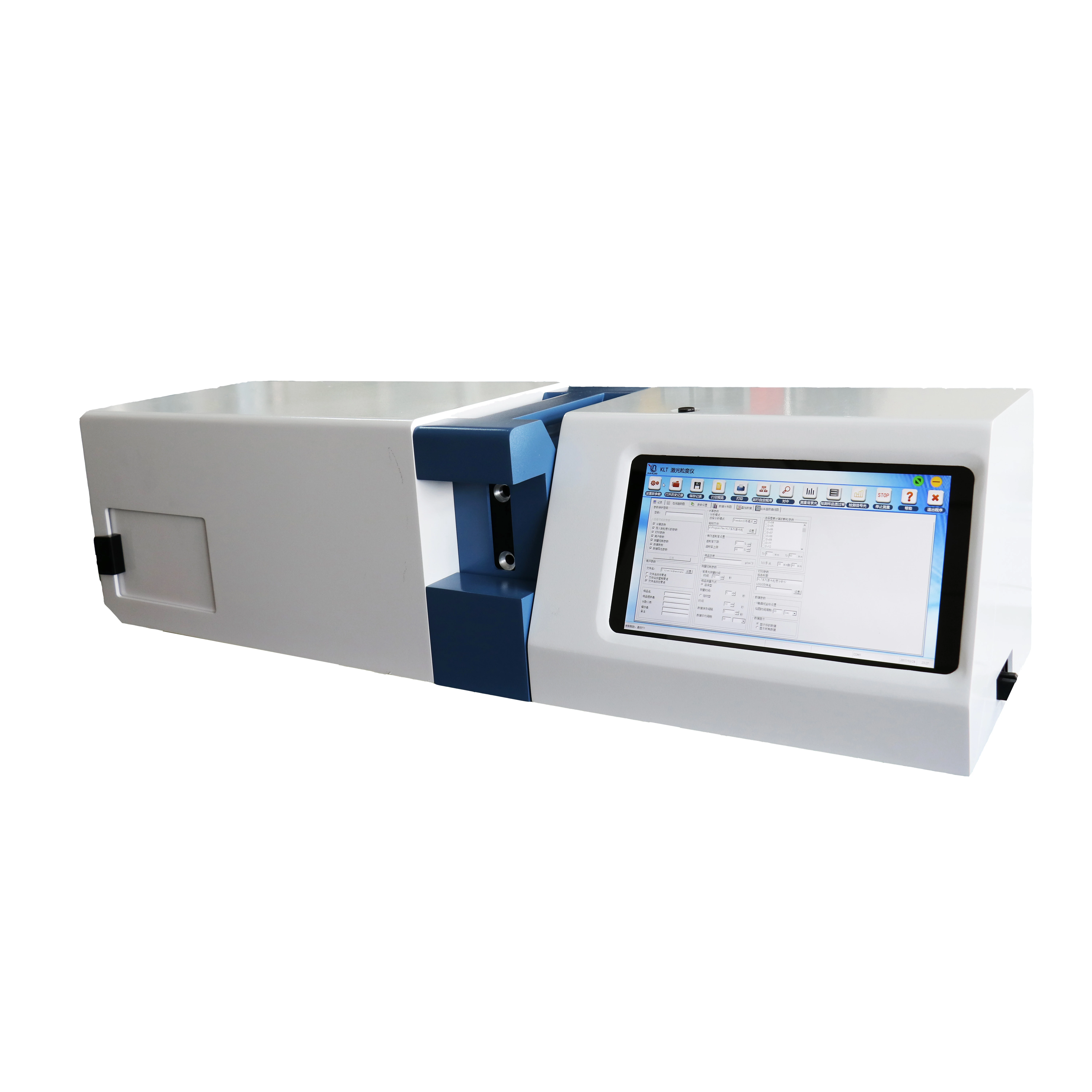
For plastics and polymer composites, instrumentation often needs to accommodate anisotropy caused by fiber orientation, layered structures, or foamed morphology. That is particularly important in thermally conductive plastics for housings, heat spreaders, battery components, and electronic packaging.
Types and variations
Steady-state systems
These instruments are widely used for insulation products, construction materials, packaging, and assemblies. They are favored where standardized comparability and low-conductivity accuracy are more important than speed.
Common forms include:
- Heat Flow Meters (HFM) for insulation panels, foams, and building products.
- Guarded hot plate systems for reference-grade testing of thermal resistance and conductivity.
Transient systems
Transient instruments dominate modern polymer testing because they are quicker and more flexible.
Common forms include:
- TPS platforms for solids, pastes, powders, and some liquids.
- THW systems for liquids, phase-change materials, and selected soft media.
- TLS or needle-probe meters for soils, rocks, concrete, and polymeric media where in situ probing is preferred.
- Portable meters for field use and rapid screening.
Laser-based and advanced analyzers
Laser flash and related methods are used when thermal diffusivity is the primary interest, especially in high-performance materials and high-temperature environments.
Important subcategories include:
- Laser Flash Analysis (LFA) for diffusivity and derived conductivity in solids.
- Thin-film analyzers for nm- to µm-scale layers where conventional bulk techniques are unsuitable.
- Thermal interface material testers for pads, greases, and pastes in electronics cooling.
Applications and uses
Thermal property testing equipment is used across the plastics industry and adjacent sectors.
- Polymer R&D: formulation screening, filler optimization, crystallization studies, and property correlation for new compounds.
- Compounding and masterbatch: verification of thermally conductive fillers, flame-retardant loading effects, and batch consistency.
- Packaging: evaluation of insulating and heat-transfer behavior in protective packaging materials.
- Construction and insulation: thermal resistance and conductivity testing of foams, boards, multilayer assemblies, and building materials.
- Electronics and electrical applications: thermal interface materials, encapsulants, housings, and heat-dissipation plastics.
- Automotive and mobility: lightweight thermal management materials for batteries, lighting, connectors, and under-hood components.
- Geotechnical and civil engineering: soils, rocks, and concrete via probe-based transient methods.
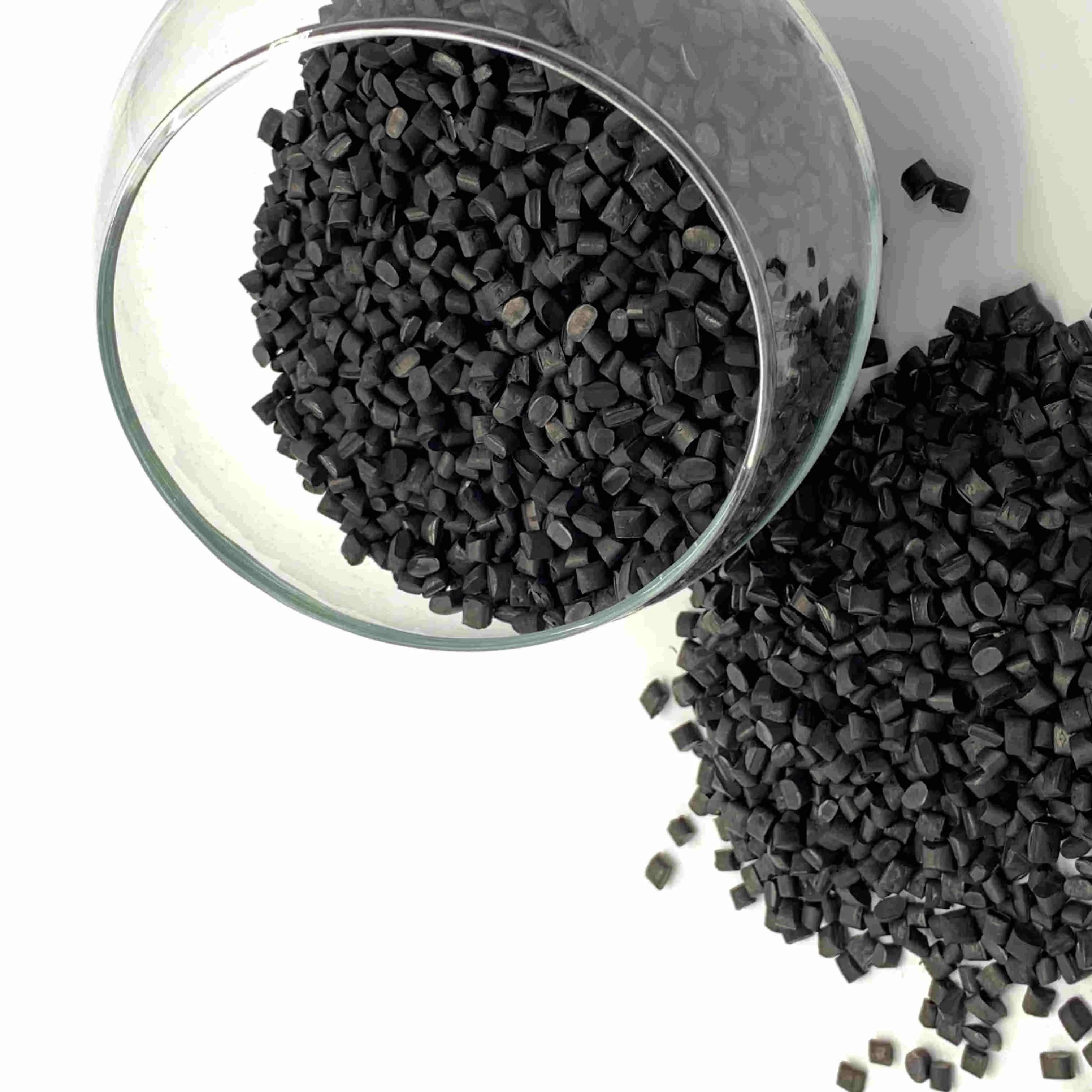
A less suitable use is large, highly heterogeneous assemblies with poor specimen access, where sample preparation and contact control may undermine repeatability. In such cases, a method intended for small, well-defined specimens may produce misleading results if the material is strongly layered or contains voids, inserts, or large-scale structural variation.
Standards and compliance
Standards are central to the credibility of thermal testing, especially in regulated quality control environments.
- ISO 22007-2 is widely used for plastics thermal conductivity testing by TPS methods.
- ASTM D7896 applies to transient hot-wire measurements of liquids and related materials.
- ASTM D5334 and ASTM D5930 cover probe-based transient methods.
- ASTM E3088 is used for TPS-based thermal conductivity measurements.
- ASTM C518, ASTM C1784, ISO 8301, EN 12667, and EN 12664 support heat flow meter testing for insulation and construction materials.
Standards selection matters because method choice affects comparability, uncertainty, and suitability for a given polymer morphology or product geometry.
Technological innovations and automation
Recent generations of thermal property instruments emphasize:
- Automated test execution and analysis workflows for laboratory efficiency.
- Multi-method platforms that combine TPS, THW, and sometimes additional configurations in one instrument family.
- Broader temperature control, including cryogenic and high-temperature options for advanced engineering plastics and composites.
- Improved sensor design for faster tests and better contact reliability in soft or heterogeneous materials.
- Portable instrumentation for on-site screening and process troubleshooting.
In plastics processing, these advances reduce the time needed to connect formulation changes with thermal performance, which is especially valuable when materials are being optimized for electronics cooling, insulation, or lightweight structural parts.
Environmental and sustainability aspects
Thermal property testing supports sustainability in several ways:
- It helps identify lighter materials that retain adequate thermal performance, enabling part weight reduction.
- It supports energy-efficient insulation development for buildings, packaging, and cold-chain applications.
- It assists in designing recyclable or lower-impact formulations by quantifying whether recycled content or alternative fillers alter thermal performance materially.
- It reduces waste by enabling faster screening of candidate compounds before full-scale processing or tooling.
At the same time, sustainability is not automatic: advanced instruments can require significant capital investment, calibration discipline, and controlled sample preparation, which means environmental benefits depend on the efficiency gains they deliver in development and production workflows.
Economic and global market impact
The market for thermal testing equipment is closely tied to industries that depend on thermal design: plastics, construction, electronics, automotive, aerospace, and energy systems. Demand is strongest where product differentiation depends on measurable thermal behavior rather than visual inspection alone.
Commercial suppliers position these systems for both research laboratories and quality control lines, with instruments ranging from portable meters to high-end analyzers for high-temperature and thin-film work. In practice, economic value comes from shorter development cycles, fewer failed formulations, better process control, and improved product consistency.
Current challenges and innovations
Key technical challenges include:
- Contact resistance between sensor and specimen, especially in soft polymers, powders, and pastes.
- Material anisotropy, which can complicate interpretation in fiber-filled or layered plastics.
- Specimen preparation requirements for thickness, flatness, and homogeneity.
- Method selection, since no single instrument is optimal for all thermal-property questions.
- Standard alignment, particularly when comparing data from different measurement principles.
Current innovation is focused on:
- Better sensor miniaturization and multi-point testing.
- Improved automation and software correction for more robust repeatability.
- Expanded use of portable devices for field validation and troubleshooting.
- More complete integration of thermal data with broader materials informatics and product-development workflows.
Future outlook
Thermal property testing equipment is likely to become more integrated, faster, and more application-specific. In plastics, the strongest growth areas are expected to remain thermally conductive compounds, electronic packaging, battery-related materials, lightweight insulation, and recycled-content formulations whose thermal behavior must be validated reliably.
Future instruments will likely emphasize:
- greater automation and data traceability,
- more robust testing of anisotropic and heterogeneous specimens,
- better thin-film and interface characterization,
- and closer coupling with digital quality systems and model-based materials engineering.
As polymer systems become more engineered and sustainability targets become more demanding, thermal property measurement will remain a foundational capability for plastics manufacturers, compounders, and product developers.
References
- •
Thermtest. (2025, January 6). Thermtest Instruments - Thermal Analysis Equipment. https://thermtest.com/laboratory-instrumentsLink
- •
Arter Teknik. (2000, January 1). Hot Disk. https://www.arterteknik.com/en/brands/hot-diskLink
- •
TA Instruments. (2015, July 22). Thermal Conductivity Meters. https://www.tainstruments.com/products/thermal-conductivity-meter/Link
- •
Thermtest. (2024, December 11). Products. https://thermtest.se/instrumentsLink
- •
Thermtest Europe. (2026, August 20). Thermtest Europe - Thermal Conductivity Meters & Measurement. https://thermtest.se/Link
- •
Thermtest. (2024, December 11). Thermal Conductivity Measurement Instruments - Thermtest. https://thermtest.com/thermal-conductivity-measurement-instrumentsLink
- •
ULVAC. (n.d.). Thermal Conductivity Measurement System|Heat Treatment And Thermal Properties|Products|ULVAC SHOWCASE. https://showcase.ulvac.co.jp/en/products/heat-treatment-and-thermal-properties/thermal-conductivity-measurement-device/Link
- •
Linseis. (2026, August 3). Thermal Conductivity Meter & Diffusivity Instruments. https://www.linseis.com/en/instruments/thermal-conductivity/Link
- •
CMT Equipment. (n.d.). Tempos Thermal Properties Meter. https://cmtequipment.com.au/product/tempos-thermal-properties-meterLink
- •
Hot Disk Instruments. (2026, March 9). Hot Disk Instruments. https://www.hotdiskinstruments.com/Link
- •
TA Instruments. (2026, January 26). Thermal Conductivity & Diffusivity Analyzers. https://www.tainstruments.com/products/thermal-conductivity/Link
- •
Thermtest. (2025, January 27). Measurement Platform Series - Thermtest. https://thermtest.com/measurement-platformLink
- •
Thermtest. (2025, March 11). Thermal Conductivity Meters - Thermtest. https://thermtest.com/portable-metersLink
- •
Hot Disk Instruments. (2026, April 2). Products. https://www.hotdiskinstruments.com/products/Link
- •
C-Therm. (2026, March 23). Global Leader in Thermal Conductivity Instruments. https://ctherm.com/thermal-conductivity-instruments/Link
- •
Thermtest. (2025, April 9). Heat Flow Meter for Insulation and construction materials. https://thermtest.com/heat-flow-meterLink
- •
Thermtest. (2025, December 1). Thermtest - #1 Provider in Thermal Conductivity Solutions. https://thermtest.com/Link
- •
C-Therm. (2026, August 10). C-Therm Trident | Global Leader in Thermal Conductivity Instruments. https://ctherm.com/Link
- •
SelectScience. (2025, October 23). Thermal Analysis Equipment Products & Reviews. https://www.selectscience.net/products?techniques=thermal-analysis-equipment-materialsLink
- •
Barnett Technical. (2026, August 20). Thermal Conductivity Testing Methods: How to Choose the.... https://barnett-technical.com/thermal-conductivity-testing-a-guide-to-methods-applications-and-instrument-selection/Link