
Introduction
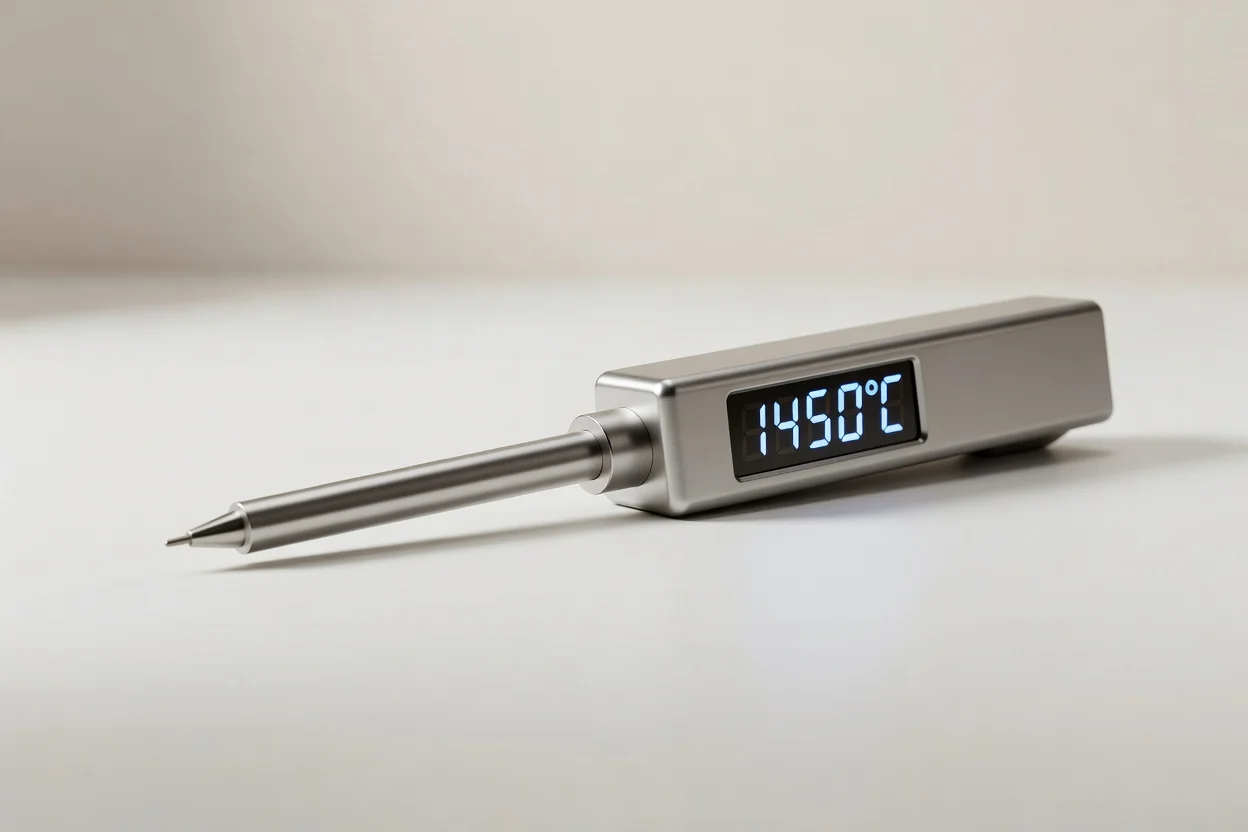
Measuring equipment for melt temperature refers to the sensors, probes, handheld instruments, and integrated measurement systems used to determine the temperature of molten polymers during processing. In plastics machinery, melt temperature is a critical control variable because it influences viscosity, pressure, mixing, residence time, surface finish, dimensional stability, and the risk of thermal degradation in extrusion, injection molding, blow molding, and related processes.
The field includes direct-contact melt thermocouples, retractable probes, infrared and pyrometric methods used in limited cases, and portable measurement kits designed to capture melt temperature safely at the die, nozzle, or transfer line. It developed alongside modern polymer processing as processors moved from indirect barrel-zone estimates toward measurement in the actual melt stream, where temperature can differ substantially from heater setpoints and from wall temperatures.
Modern systems are increasingly engineered for repeatability, operator safety, and digital integration, with some solutions marketed for fast response, sub-second monitoring, and approximately ±1 °C accuracy under suitable conditions. At the same time, energy efficiency and sustainability concerns are pushing processors to use melt-temperature data to reduce scrap, minimize overheating, and improve process stability, especially in high-throughput extrusion and recycling applications.
History and Development
Early melt-temperature control in plastics processing relied heavily on barrel thermocouples, controller settings, and operator experience rather than direct measurement in the polymer stream. As processing windows narrowed with engineering plastics, filled compounds, and higher-output lines, direct insertion probes became more important for understanding actual melt conditions.
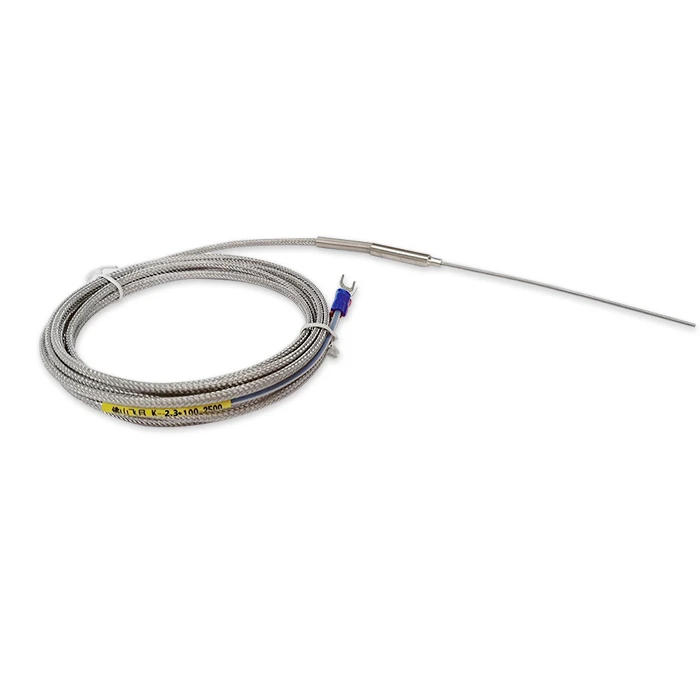
A key development was the introduction of industrial melt thermocouples designed to survive pressure, abrasion, and aggressive polymers while providing direct readings inside the stream. Dynisco and similar suppliers commercialized probe families for extrusion and polymer processing, including retractable designs intended to simplify insertion and removal.
Another milestone was the growth of portable measurement kits that let processors check melt temperature press-to-press with standardized procedures, reducing operator variation and improving comparability across machines. More recent systems combine thermocouple sensing, pyrometry, digital displays, and data capture for quality assurance and process documentation.
Technical Overview
Melt-temperature equipment is usually based on one of three measurement principles:
- Contact thermocouples, which measure the voltage generated by two dissimilar metals at the sensor junction and are the dominant solution for direct melt-stream measurement.
- Resistance temperature detectors (RTDs), which are used in some industrial sensing configurations, though thermocouples remain more common in harsh polymer melts.
- Infrared or optical methods, which can be useful for exposed extrudates or special test setups but are generally less representative of true bulk melt temperature when surface cooling or emissivity variation is significant.
Typical industrial probes are inserted into the melt stream through a die, transfer line, adapter, nozzle, or dedicated port. Retractable designs are used where process access, wear, or maintenance concerns make permanent immersion less practical. Because the sensor is measuring a moving, nonuniform melt, reading quality depends strongly on probe depth, flow regime, residence time, and whether the sensor tip is exposed to stagnant layers or wall effects.
Typical performance and operating benchmarks
| Parameter | Typical range or practice |
|---|---|
| Direct melt temperature measurement | Probe immersed in the polymer melt stream |
| Fast-response specialty systems | Sub-second response in marketed kits |
| Accuracy in optimized systems | About ±1 °C in some systems |
| Thermal sensor type | Thermocouple or RTD output |
| Use location | Extruder die, nozzle, transfer line, or melt channel |
The exact numerical performance depends on installation geometry, melt viscosity, pressure, sensor mass, and whether the system is used for routine process control or spot-checking. In practice, direct-contact sensors are favored because they measure the bulk process condition more closely than external surface methods.
Types and Variations
Direct-contact melt thermocouples
These are the most common industrial instruments for plastics processing. They are inserted into the flow to measure internal melt temperature and are available in standard and retractable configurations. Their main advantage is directness; their main limitation is that installation can disturb flow if the sensor is poorly placed.
Graduated retractable melt thermocouples
Retractable probes allow the tip to be positioned progressively deeper into the melt stream and then withdrawn for cleaning or maintenance. This design is useful where different products, die sets, or polymers require frequent changes and where safe access matters.
Portable melt-temperature kits
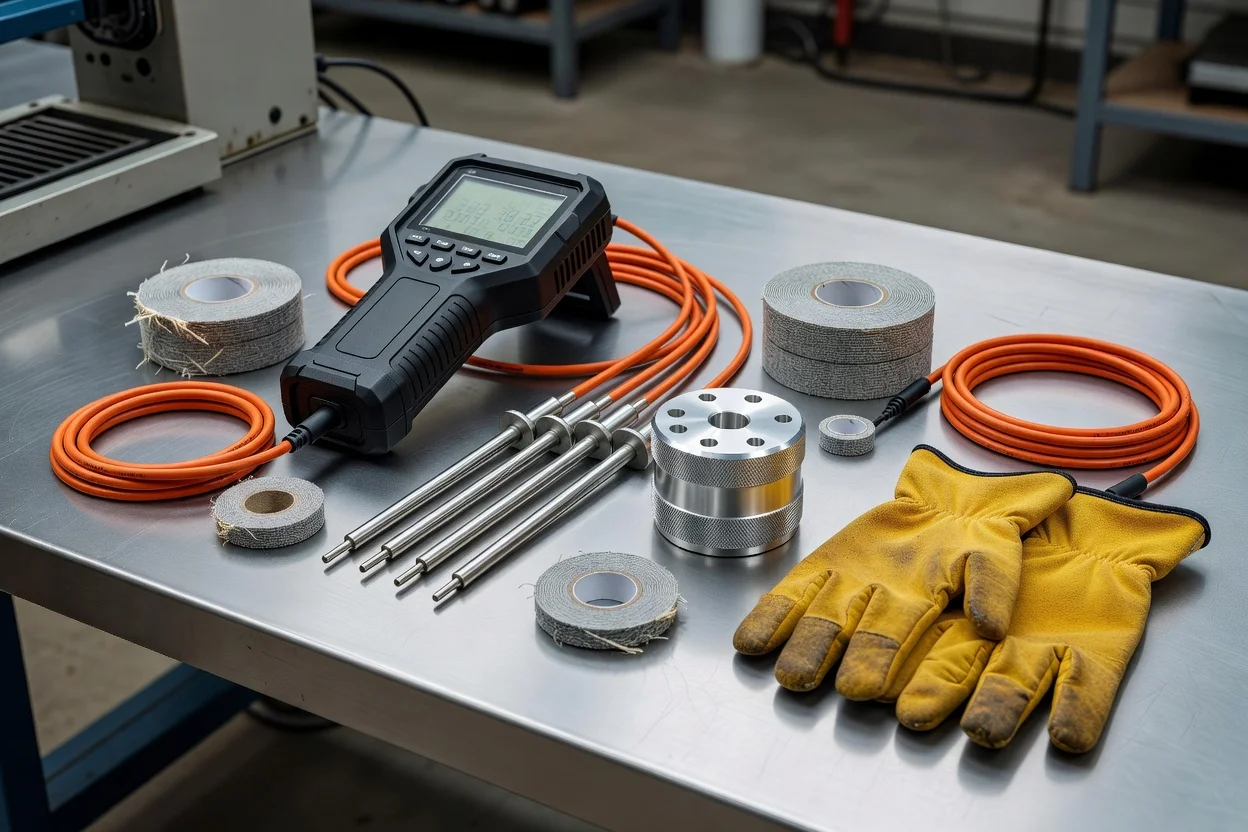
These systems are used for press-to-press verification, operator training, and line audits. Commercial kits may include a purge puck, insulating accessories, fast-reading thermocouple probes, and sometimes a pyrometer for comparative checks. They are especially valuable when a processor wants standardized field measurements rather than permanent instrumentation.
Infrared and pyrometric tools
IR guns and pyrometers are occasionally used when direct insertion is unsafe or physically impossible, especially at exposed extrudates. They are most reliable when emissivity is known and the target surface is stable, which is not always true for polymer melts.
Applications and Uses
Melt-temperature measuring equipment is used across most polymer processing operations:
- Single-screw extrusion, where melt temperature affects throughput, pressure, die swell, and product dimensions.
- Injection molding, where melt temperature influences fill behavior, weld lines, surface quality, and part weight consistency.
- Blow molding, where uniform melt temperature helps control parison stability and wall distribution.
- Pipe, profile, and sheet extrusion, where stable melt temperature supports gauge control and optical quality.
- Compounding and masterbatch production, where thermal history affects dispersion and additive integrity.
- Recycling and reprocessing, where feed variability makes real melt monitoring especially valuable for avoiding degradation and reducing scrap.
A poorer-fit use case is highly opaque, inaccessible, or rapidly cooling exposed streams where non-contact IR methods may not reflect bulk melt conditions accurately; in such cases, direct-contact measurement is generally preferable.
Why Melt Temperature Matters in Plastics Processing
Melt temperature is not simply a comfort metric for machine operators; it is a proxy for the thermal and rheological state of the polymer. If the melt is too cold, viscosity rises and filling or die flow becomes unstable. If it is too hot, the material may degrade, discolor, lose molecular weight, or produce excessive flashing and dimensional drift.
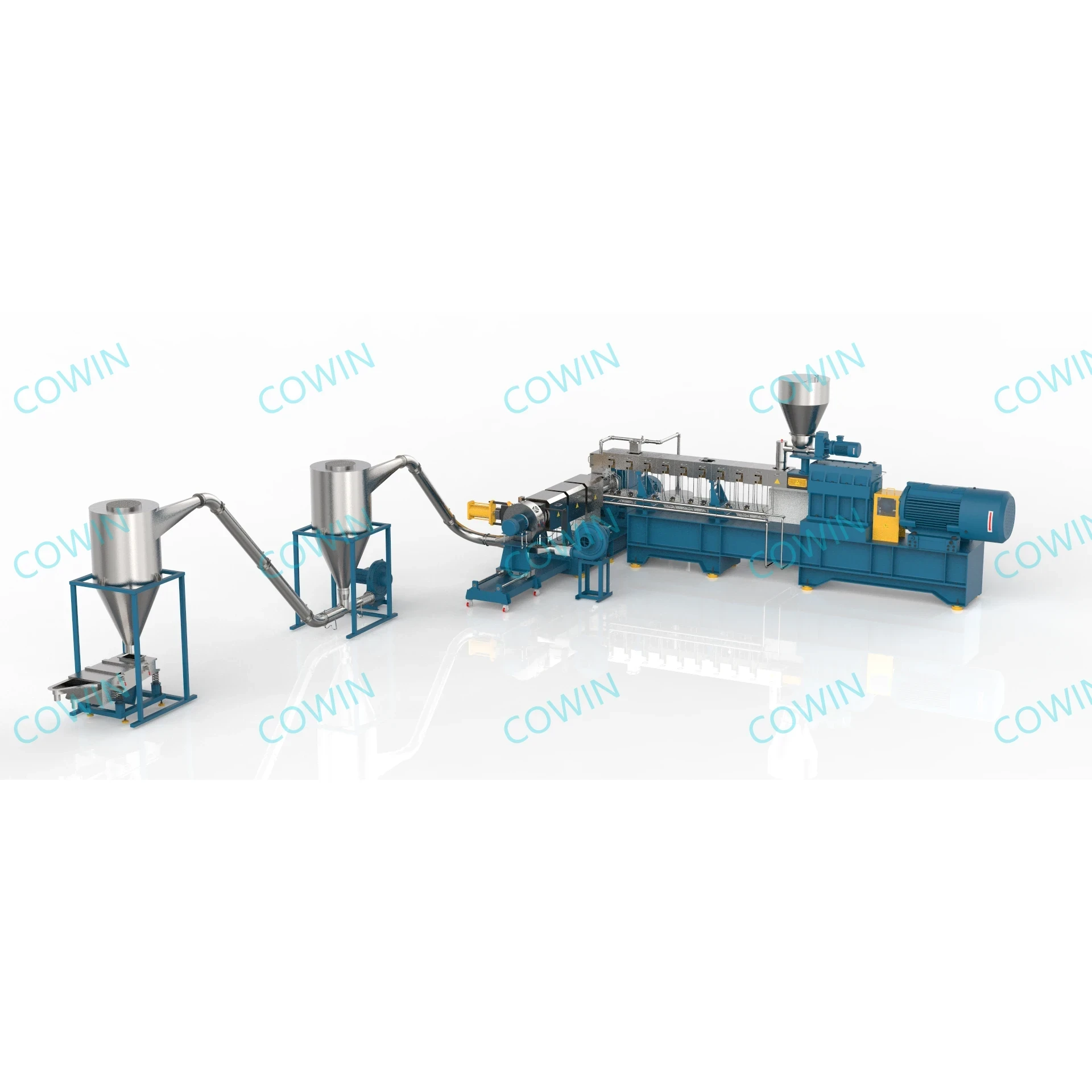
This is why melt-temperature measurement is often used alongside pressure, screw speed, and output rate to interpret machine behavior. In extrusion, for example, a set barrel temperature profile does not guarantee the extrudate temperature, so occasional direct measurement is standard practice in many plants.
Measurement Practice and Sample Handling
For direct-contact checks, the probe must be inserted into a representative part of the melt stream, not merely touched to the surface. The operator typically allows the sensor to stabilize and then records the reading once the temperature plateaus.
For extrudate spot checks, processors sometimes use a handheld thermocouple or pyrometer on the discharged stream when in-line access is limited. The quality of the reading depends on how long the probe is in contact with the material and whether the measurement point is exposed to ambient cooling.
Technological Innovations and Automation
Current development trends include:
- Faster-response micro-bead thermocouple technology for real-time process monitoring.
- Standardized portable systems that reduce operator-to-operator variation.
- Digital data capture for process documentation and quality systems.
- Integration with closed-loop machine control, where melt temperature helps adjust screw speed, back pressure, or heating zones.
In more advanced plants, melt temperature is increasingly treated as a data stream rather than a one-off reading. That supports SPC-style trending, downtime diagnosis, and recipe transfer between machines.
Environmental and Sustainability Aspects
Melt-temperature measurement contributes to sustainability mainly by improving process stability. Better thermal control can reduce scrap, lower the risk of polymer degradation, and help processors avoid unnecessary overheating, all of which support material efficiency and energy savings.
This is particularly relevant in recycled and blended materials, where feed inconsistency can create wider melt-temperature variation than in virgin resin processing. Accurate measurement helps processors compensate for those variations rather than correcting them through trial and error.
The sustainability value is indirect but practical: better temperature control can mean fewer off-spec parts, fewer purges, and less rework. In high-volume operations, those gains often matter more than small theoretical energy differences.
Economic and Global Market Impact
The market for melt-temperature measurement equipment is closely tied to the broader plastics machinery sector, especially extrusion and injection molding, where process control requirements are rising. Demand is supported by quality expectations, automation, and the need to document process conditions for regulated or high-value products.
Because these instruments are relatively small compared with the machines they serve, their economic impact comes from risk reduction rather than capital intensity. A reliable melt reading can prevent costly scrap runs, reduce startup waste, and shorten troubleshooting time after grade changes or equipment maintenance.
Current Challenges and Innovations
Several technical challenges continue to shape the field:
- Sensor placement sensitivity, because a probe in a stagnant zone may not reflect bulk melt temperature.
- Wear and fouling, especially with filled, abrasive, or chemically aggressive compounds.
- Safety and ergonomics, since direct insertion into a hot, pressurized polymer stream requires careful handling.
- Repeatability across operators and machines, which motivates standardized kits and improved probe design.
Innovations are focused on improving robustness, simplifying installation, and reducing reading latency. Portable systems that standardize procedures are especially important where multiple shifts or multiple plants must produce comparable data.
Future Outlook
Melt-temperature measurement is likely to become more tightly integrated with machine analytics, digital twins, and predictive maintenance. As processing windows narrow for high-performance polymers, recycled feedstocks, and lightweighting applications, demand will grow for sensors that provide faster readings and more reliable bulk-temperature estimates.
The most important future direction is not simply higher precision, but better process relevance: measurement systems that tell processors what the polymer is actually doing inside the machine, not just what the heater zones are doing outside it.
Summary
Measuring equipment for melt temperature is a foundational control tool in plastics processing, linking machine settings to the actual thermal state of the polymer melt. Its main forms are direct-contact thermocouples, retractable probes, and portable measurement systems, with infrared methods used selectively.
The technology has evolved from basic spot checking toward standardized, digital, and increasingly automated process monitoring. Its greatest value lies in improving product consistency, reducing scrap, and supporting efficient, lower-waste polymer processing across extrusion, injection molding, blow molding, and compounding.
References
- •
Dynisco. (n.d.). Melt temperature measurement. https://www.dynisco.com/sensors-and-measurement/sensors/Melt-Temperature-MeasurementLink
- •
Fisher Scientific. (2026). Melting point instruments. https://www.fishersci.com/us/en/browse/90206091/melting-point-instrumentsLink
- •
AZoSensors. (n.d.). Melt temperature measurement devices. https://www.azosensors.com/equipment-details.aspx?EquipID=2353Link
- •
Globeius. (2024, March 13). Melt temperature measurement system kit. https://globeius.com/products/melt-temperature-measurement-system-kitLink
- •
Plastixs. (2025, October 2). MTMS melt temperature measurement system kit. https://www.plastixs.com/product/mtms-kit-melt-temperature-measurement-system/Link
- •
Stanford Research Systems. (n.d.). Melting point apparatus—OptiMelt MPA100. https://www.thinksrs.com/products/MPA100.htmLink
- •
IND S. (2024, November 14). Go Direct® melt station. https://www.inds.co.uk/product/go-direct-melt-station/Link
- •
Thomas Scientific. (2025). Mel-Temp® digital melting point apparatus. https://www.thomassci.com/p/mel-tempLink
- •
SISCO. (2025, February 12). Automatic melting point instrument. https://www.sisco.com/automatic-melting-point-instrumentLink
- •
KU Leuven. (n.d.). Thermal analysis. https://set.kuleuven.be/mrc/equipment-db/categories/thermal-analysisLink
- •
PRISM. (2022, October 1). Thermal analysis. https://prism.tus.ie/thermal-analysis-3/Link
- •
SISCO. (n.d.). Melting point apparatus, melting point instrument. https://www.sisco.com/melting-point-apparatusLink
- •
Scientific Laboratory Supplies. (n.d.). MEL2104. https://www.scientificlabs.co.uk/product/melting-point-apparatus/MEL2104Link
- •
Scientific Laboratory Supplies. (n.d.). MEL2100. https://www.scientificlabs.co.uk/product/melting-point-apparatus/MEL2100Link
- •
ICS Schneider. (n.d.). Melt temperature—Dynisco. https://www.ics-schneider.de/produkt-kategorie/dynisco/melt-temperature/?lang=enLink
- •
AELAB. (n.d.). Melting point apparatus. https://aelabgroup.com/product-category/pharmaceutical-equipments/melting-point-apparatus/Link
- •
Drawell. (2025, May 13). Melting point apparatus types and choosing tips. https://www.drawellanalytical.com/melting-point-apparatus-types-and-choosing-tips/Link
- •
Wikipedia. (2007, November 28). Melting-point apparatus. https://en.wikipedia.org/wiki/Melting-point_apparatusLink
- •
Scientific Laboratory Supplies. (n.d.). MEL2102. https://www.scientificlabs.co.uk/product/melting-point-apparatus/MEL2102Link
- •
VWR. (n.d.). Melting point apparatus. https://www.vwr.com/se/en/category/591658/melting-point-apparatusLink
- •
Mettler Toledo. (2025, November 13). Melting point apparatus & instruments. https://www.mt.com/us/en/home/products/Laboratory_Analytics_Browse/melting-point-apparatus.htmlLink
- •
Torontech. (n.d.). Melting point apparatus. https://www.torontech.com/product/melting-point-apparatus/Link
- •
Thomas Scientific. (2025). Digital melting point apparatus. https://www.thomassci.com/instruments/melting-point-apparatusLink
- •
Hinotek. (2025, August 19). Melting point apparatus: What it is & how to determine melting point. https://www.hinotek.com/what-is-melting-point-apparatus/Link
- •
Mettler Toledo. (2024, August 27). Melting point apparatus. https://www.mt.com/id/en/home/products/Laboratory_Analytics_Browse/melting-point-apparatus/instruments.htmlLink
- •
Nichols, L. (2022, April 7). 6.1D: Step-by-step procedures for melting point determination. https://chem.libretexts.org/Bookshelves/Organic_Chemistry/Organic_Chemistry_Lab_Techniques_(Nichols)/06:_Miscellaneous_Techniques/6.01:_Melting_Point/6.1D:__Step-by-Step_Procedures_for_Melting_Point_DeterminationLink
- •
MD Plastics. (n.d.). Precision melt temperature measurement system kit. https://mdplastics.com/feeds/category/melt-temperature-measurement-systemLink
- •
Plastics Technology. (2024, December 30). What you need to know about melt-temperature measurement in single-screw extruders. https://www.ptonline.com/articles/what-you-need-to-know-about-melt-temperature-measurement-in-single-screw-extrudersLink
- •
Mettler Toledo. (2024, June 25). What is melting point? https://www.mt.com/us/en/home/applications/Application_Browse_Laboratory_Analytics/Thermal_Values/melting-point-determination.htmlLink
- •
Westlab Canada. (2023, May 8). Measuring the melting point. https://www.westlab.com/blog/measuring-melting-pointLink
- •
University of Michigan. (2022, April 1). Temperature measurement. https://encyclopedia.che.engin.umich.edu/temperature-measurement/Link
- •
Iowa State University. (2024, November 1). Thermal analysis lab equipment. https://www.mse.iastate.edu/research/research-and-teaching-laboratories/lab-equipment/thermal-analysis-equipment/Link
- •
ScienceDirect. (2016, October 19). Temperature measuring instruments. https://www.sciencedirect.com/topics/physics-and-astronomy/temperature-measuring-instrumentsLink