
Introduction
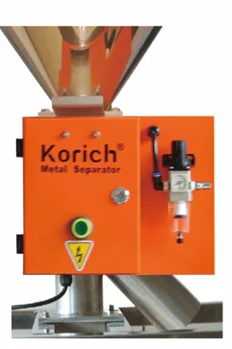
Metal separators are industrial devices used to detect, extract, or separate metallic contaminants from bulk solids, liquids, or mixed waste streams. In plastics processing, they are most often installed to protect extrusion, injection molding, blow molding, and compounding equipment from damage, while also improving product purity and reducing rejected output.
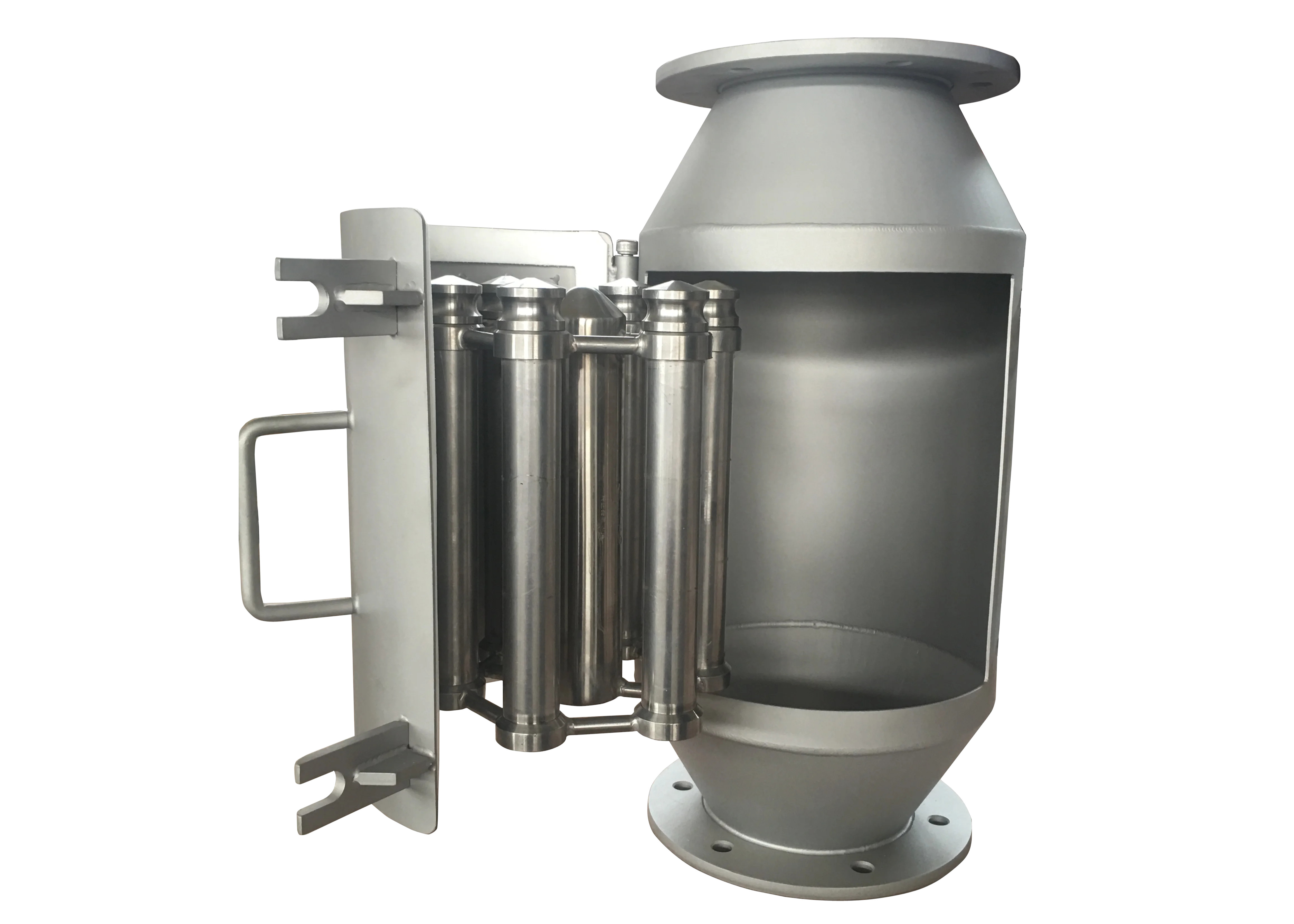
In the plastics and recycling sectors, the term covers several different technologies rather than one machine class: magnetic separators for ferrous metals, eddy current separators for non-ferrous conductive metals such as aluminum and copper, and electronic metal separators / metal detectors that trigger an automatic reject when metal is identified in a conveyor or free-fall stream. Their importance has grown with higher levels of post-consumer recyclate, tighter quality requirements, and increasing emphasis on closed-loop material recovery.
History and Development
Metal separation developed from simple permanent magnets into highly engineered separation systems designed for continuous industrial duty. Early use centered on removing tramp iron from grain, minerals, and food powders, mainly to protect mills and maintain product quality.
Key milestones include:
- The wider adoption of industrial magnetic separators in mining, cement, and waste processing, where tramp iron removal became a standard protection step for crushers, grinders, and conveyors.
- The commercialization of eddy current separation, which enabled recovery of non-ferrous metals from shredded waste, municipal solid waste, and recycling residues by exploiting electrical conductivity rather than magnetism.
- The integration of sensor-based metal separators into plastics processing lines, where free-fall and pipeline units are installed above extruders or molding machines to reject contaminated granules before melt processing.
Key Characteristics and Technical Overview
Metal separators are selected according to three main factors: the metal type to be removed, the material form, and the required level of cleanliness. Dry powders, granules, pellets, flakes, shredded film, and mixed recyclate all require different separator geometries and reject mechanisms.
Main operating principles
- Magnetic separation removes ferrous metals by using a magnetic field to attract iron-bearing particles from a stream of bulk material or liquid.
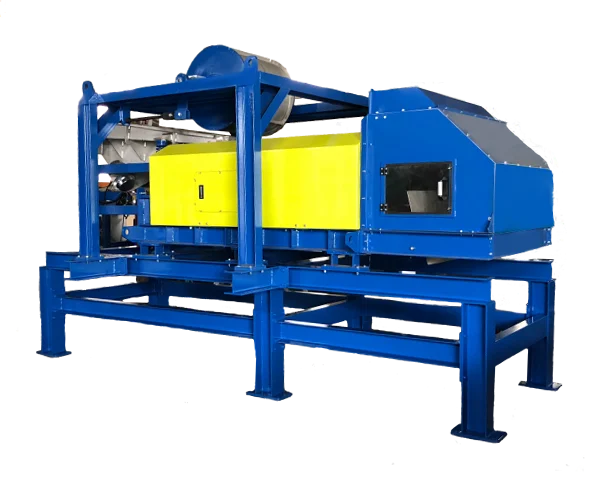
- Eddy current separation uses a rapidly changing magnetic field to induce eddy currents in conductive non-ferrous metals, creating repulsive forces that throw those particles away from the main material stream.
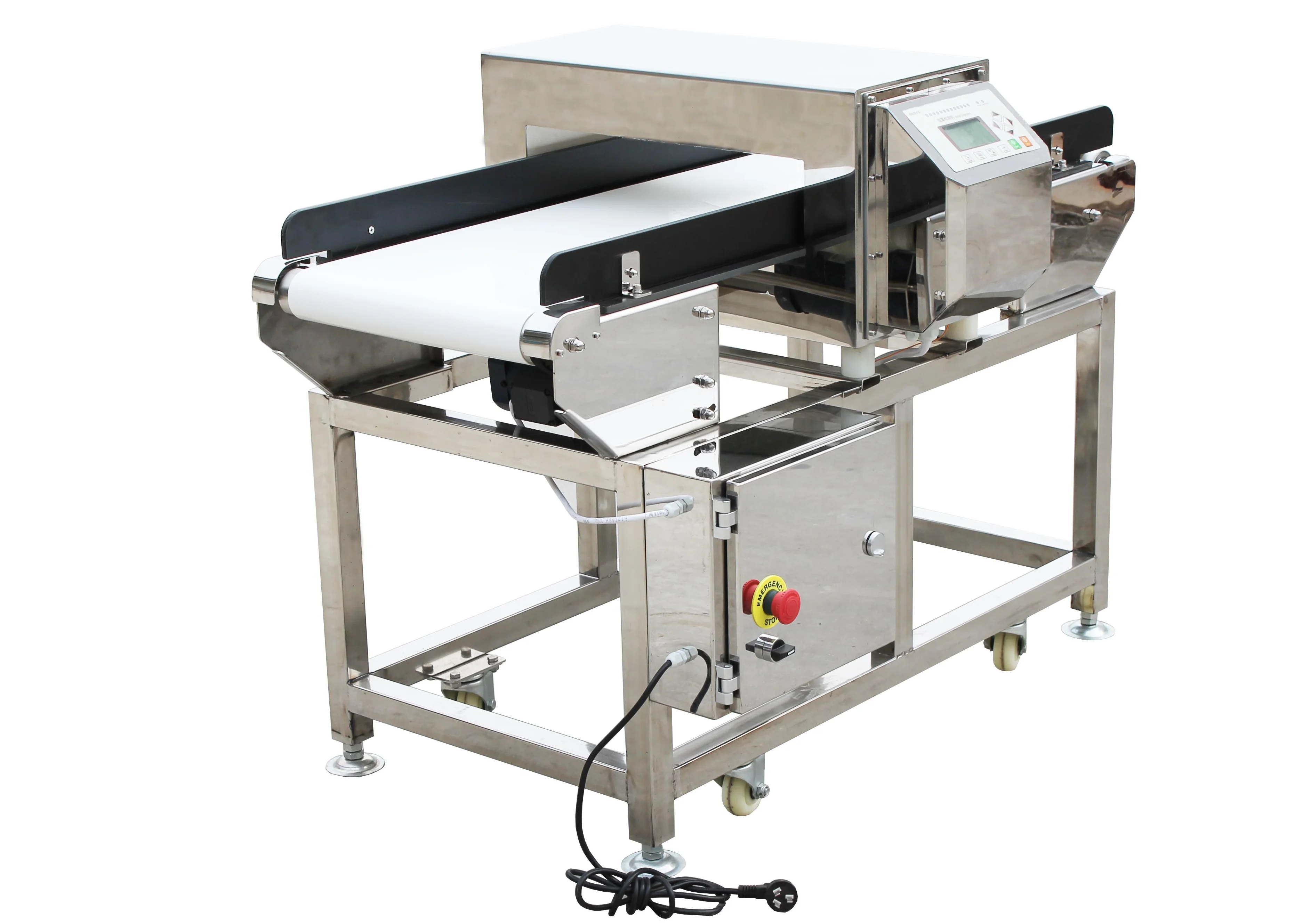
- Electronic metal detection identifies disturbances in an electromagnetic field and activates a reject flap, diverter, or purge system; this approach is common in plastics conveying and free-fall feed systems.
Typical technical performance ranges
- Granule and flake processing: In plastics recycling, separators are often installed upstream of extrusion or regranulation lines to remove metal fragments from pellets, flakes, or regrind.
- Particle size sensitivity: Some pipeline or free-fall systems are designed for loose granular materials below about 8 mm, while other units detect particles down to around 0.2 mm under favorable conditions.
- Residual moisture: After centrifugal dewatering in plastic recycling lines, the feed to downstream separation and drying stages is commonly reduced to about 1–3% residual moisture, depending on polymer type, washer configuration, and dwell time; this is an industry practice inference consistent with standard recycling-line design, but exact values vary by plant.
- Throughput: Industrial separators span very small dosing systems to large recycling installations; published applications include continuous belt-mounted systems for bulk streams and high-capacity drum or conveyor separators for waste and minerals. In practice, throughput can range from tens of kg/h in dosing and plastics feed protection to multiple t/h in recycling and waste sorting lines.
- Rotor speeds: Eddy current separators typically use a high-speed rotating magnetic rotor; the exact speed depends on rotor diameter, pole count, and target fraction, but the design objective is a fast-changing field at the belt surface rather than a single fixed rpm specification.
- Specific energy consumption: Permanent-magnet and passive separator systems have very low direct energy demand, while electromagnetic and high-speed eddy current units consume more power due to energized coils or drive motors. In general, separators are considered low-energy compared with size reduction or thermal processing, but exact specific consumption depends on plant layout and duty cycle.
Design features that affect performance
- Magnet strength and circuit design determine whether a separator excels at shallow surface pickup or deeper tramp metal extraction.
- Cleaning method affects uptime: automatic self-cleaning belts, rotating drums, and scraper systems reduce manual intervention in continuous lines.
- Material layer thickness is critical in eddy current systems, where a thin, uniform feed layer improves separation precision.
- Product flow regime matters: free-fall, pneumatic conveying, belt conveying, and slurry all require different separator architectures.
Types and Variations
| Type | Separates | Typical use | Main advantage |
|---|---|---|---|
| Magnetic separator | Ferrous metals | Plastics, recycling, minerals, food, cement | Simple, robust, low operating cost |
| Eddy current separator | Non-ferrous conductive metals | Scrap, WEEE, ASR, mixed recyclate | Recovers valuable aluminum and copper |
| Metal detector with reject unit | Ferrous and non-ferrous contaminants | Extrusion, injection molding, blow molding feed | Protects machinery and improves purity |
| Drum separator | Ferrous metals | Continuous bulk flows | Stable continuous removal |
| Cross-belt separator | Ferrous metals | Conveyor lines with tramp iron | Good for bulk overband protection |
| Suspended electromagnetic separator | Ferrous tramp metal | Mining, quarrying, waste | Penetrates deeper bulk beds |
Common industrial variants include belt-mounted separators, drum separators, electromagnetic separators, and non-ferrous separators for recovery of aluminum and copper from mixed waste streams.
Applications and Uses
Metal separators are used across the plastics industry wherever contamination control or equipment protection is important.
- Extrusion and compounding: Installed on pellet, regrind, or ingredient feed lines to prevent screw, barrel, and die damage.
- Injection molding: Used to protect plastication systems and reduce the risk of expensive downtime caused by metal ingress.
- Blow molding: Applied at the material infeed to improve melt quality and avoid defects in containers and technical parts.
- Plastic recycling: Used to clean flakes and regrind before washing, drying, extrusion, and pelletizing.
- Waste sorting and material recovery: Separates ferrous and non-ferrous metals from municipal waste, shredder residue, WEEE, and RDF streams.
- Food and pharmaceuticals: Protects consumer safety and product purity by removing metallic foreign matter from bulk ingredients.
- Mining, cement, and quarrying: Removes tramp iron to protect crushers, mills, and downstream process equipment.
- A poor-fit use: Very sticky, highly agglomerated, or heavily contaminated wet sludges are generally unsuitable for standard dry magnetic or eddy current separation without preprocessing, because flow behavior and particle liberation are inadequate.
Technological Innovations and Automation
Modern separators increasingly use automation, sensor feedback, and process integration to improve reliability and throughput. In plastics plants, separators are often linked to vacuum conveying systems, gravimetric feeders, and upstream silos so that contamination is removed before the melt phase.
Notable developments include:
- Self-cleaning magnetic circuits that reduce manual cleaning and keep separation force stable over long runs.
- Adjustable reject timing in electronic separators, allowing systems to respond to different belt speeds and contamination patterns.
- Integrated recovery lines that combine magnetic separation, eddy current separation, air classification, and density separation to recover multiple fractions from mixed plastics and waste.
- Condition monitoring and controls that support Industry 4.0-style maintenance by tracking separator performance, reject frequency, and downtime patterns.
Environmental and Sustainability Aspects
Metal separators contribute to sustainability in plastics processing in three main ways:
- They reduce scrap and rework by preventing metal contamination from entering extrusion or molding machines.
- They protect mechanical assets, lowering the likelihood of screw wear, die damage, and unplanned shutdowns, which in turn reduces wasted energy and material.
- They improve recyclate quality, making secondary plastics more suitable for higher-value applications and supporting circular-economy goals.
Eddy current systems are especially important in recycling because they recover non-ferrous metals that would otherwise be lost to residual waste streams. At the same time, energy use must be considered: high-performance rotating or electromagnetic units consume more power than passive magnetic separators, so the environmental balance depends on recovery value, contamination load, and plant throughput.
Economic and Global Market Impact
Metal separators are a relatively small capital item compared with extrusion or molding machinery, but their economic impact is substantial because they protect expensive downstream equipment and reduce loss from contaminated batches. In recycling and waste processing, they also create value by recovering ferrous and non-ferrous fractions that can be sold back into metal supply chains.
Demand is strongest in regions with:
- high plastic recycling rates,
- stricter quality standards,
- dense waste-sorting infrastructure,
- and industrial sectors that rely on continuous bulk material handling.
Manufacturers active in the segment include firms supplying magnetic circuits, eddy current separators, and plastics line protection systems, with notable applications in plastics, recycling, mining, and food processing.
Current Challenges and Innovations
Several technical challenges shape ongoing development:
- Fine contamination is difficult to remove when particles are very small, embedded in flakes, or partially shielded by surrounding material.
- Stainless steel and weakly magnetic alloys are more difficult to detect or separate than carbon steel.
- Feed variability in recycling lines can reduce separation efficiency when particle size, moisture, or density fluctuates widely.
- Balancing purity and throughput remains a core engineering trade-off: tighter separation usually requires slower feed, thinner layers, or more complex equipment.
Current innovation is focused on:
- stronger magnetic circuits,
- more precise reject timing,
- better integration with optical sorting and density sorting,
- and improved self-cleaning and wear resistance for abrasive recyclate and mineral streams.
Future Outlook
The future of metal separators in plastics processing will be shaped by three linked trends: higher recyclate usage, more automated production, and stricter requirements for contamination control. As recycled pellets and flakes become more common in high-value applications, separators will need to remove smaller, more diverse, and more difficult metallic contaminants without reducing line speed.
Further development is likely to emphasize:
- more compact separators for direct machine feeding,
- smarter control systems tied to line diagnostics,
- hybrid separation stages combining magnetic, eddy current, and sensor-based rejection,
- and improved recovery of valuable non-ferrous metals from complex plastic-rich waste streams.
Summary
Metal separators are essential protection and purification systems in plastics processing and recycling. Their value lies not only in contaminant removal, but also in machine protection, quality assurance, metal recovery, and support for circular manufacturing.
References
- •
Metal Separators - Medetec. (n.d.).Link
- •
MAGNETIC SEPARATORS. (n.d.).Link
- •
Magnetic Metal Separator. (2025, July 22).Link
- •
Types of Metal Separators Used in Recycling Lines. (2025, December 14).Link
- •
How to Separate Metals: From Magnets to Electrorefining. (2026, March 19).Link
- •
Ferrous Metal Magnetic Separators - Malaman CTC. (2025, September 3).Link
- •
The role of metal separator - weightgrader. (2025, March 13).Link
- •
Articles: How To Choose & Use Metal Separator. (2023, May 11).Link
- •
All Metal Separator. (2023, August 7).Link
- •
How to Choose & Use Metal Separators. (2026, January 19).Link
- •
MAGNETIC SEPARATORS. (n.d.).Link
- •
Magnetic separator. (n.d.).Link
- •
Magnetic separators from Magnetix. (2023, July 10).Link
- •
Comment fonctionne un séparateur à courants induits dans le recyclage des métaux. (2026, July 13).Link
- •
Metal Separation Technology: What Works Best? (2024, October 31).Link
- •
Separation of Magnetic Metals System Catalogue. (n.d.).Link
- •
■ Types of magnetic separators. (n.d.).Link
- •
Magnetic Separators and Magnetic Separation Equipment. (2018, October 29).Link
- •
How an Eddy Current Separator Works in Metal Recycling. (2026, July 13).Link
- •
6 Types of Sorting Systems for Industrial Management. (2026, August 5).Link
- •
Industrial Magnetic Separators | PDF - Scribd. (2026, March 11).Link
- •
Как работает сепаратор металла в системе ленточного конвейера с лентами из разных материалов? - Блог - Оборудование для испытаний металлов Aoshi. (2026, January 1).Link
- •
How Does A Magnetic Separator Work? The Ultimate Breakdown. (2025, November 20).Link
- •
Eddy Current Separator: How It Works & Selection. (2026, April 3).Link
- •
Metal Separator - hbrefine.com. (2020, May 8).Link
- •
SEPARATION. (n.d.).Link
- •
Understanding Magnetic Steel Sheet Separators - Guang Dar. (n.d.).Link
- •
How Does an Eddy Current Separator Work? Principles .... (2025, March 18).Link
- •
Separation of metal admixtures - Uses of Magnets. (n.d.).Link
- •
■. (n.d.).Link
- •
Types of magnetic separators. (n.d.).Link
- •
Magnetic Equipment Guide -- Eddy Current Separators. (2001, August 12).Link
- •
Magnetic Separators. (n.d.).Link
- •
Industries. (2023, July 10).Link
- •
Eddy current separators for recovering non-ferrous metals. (n.d.).Link
- •
How Does an Eddy Current Separator Work? | GTEK MAGNET. (2021, July 13).Link
- •
How do you choose the right type of magnetic separator? (n.d.).Link
- •
How does a magnetic separator work and what uses can ... - IMA. (2019, February 28).Link
- •
Metal separator. (n.d.).Link
- •
Waste Separation Machines - Vecoplan, LLC. (n.d.).Link
- •
How magnetic separation works. (2026, February 8).Link
- •
What is the Magnetic Separator Working Principle. (2025, February 7).Link
- •
Types of Magnetic Separators and Their Unique Uses. (2024, December 11).Link
- •
How Metal Recycling Machines Separate Different Metals. (2025, February 16).Link
- •
Non-Ferrous Metal Sorting: How Eddy Current Separators .... (2025, December 3).Link
- •
Magnetic Separator Types And A Guide To The Right Selection. - OSENCMAG. (2024, November 25).Link
- •
Mechanical Separation of Metals: Techniques, Advantages .... (2025, October 5).Link
- •
Electronic Metal Separators - Plastic Knowledge Center. (2024, September 4).Link