
Introduction
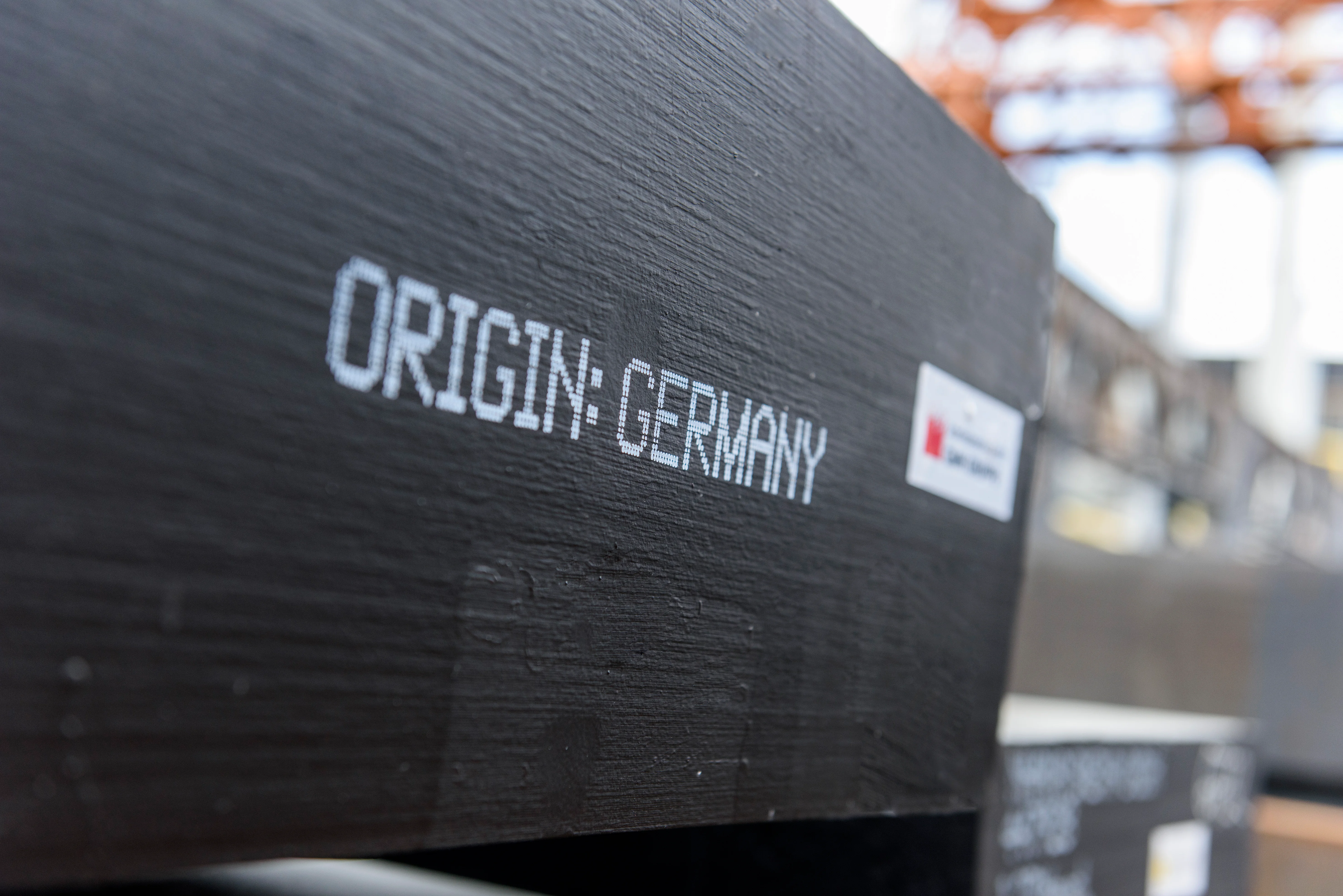
Steel for molds refers to the family of engineering steels used to manufacture cavities, cores, inserts, mold bases, slides, and related tooling for plastic injection molding and, in adjacent contexts, die casting, compression molding, and other forming operations. In plastics processing, mold steel is not chosen simply for strength; it must balance machinability, polishability, wear resistance, toughness, corrosion resistance, thermal stability, weldability, and cost according to the resin, part geometry, surface finish, and expected tool life.
In practice, there is no single “best” mold steel. Selection is a risk-management decision: P20 and related pre-hardened steels are widely used for general-purpose molds, H13/SKD61 for hot-work and highly stressed applications, and 420 stainless or S136/STAVAX for corrosive polymers and high-gloss parts. The field has developed around improvements in steel cleanliness, vacuum degassing, ESR remelting, powder metallurgy, and pre-hardened supply conditions, all of which have improved dimensional stability, surface quality, and predictability in mold making.
A well-selected mold steel directly affects cycle time, maintenance intervals, part appearance, and total cost of ownership. It also plays an important role in sustainability, because longer tool life, lower scrap rates, and better cooling-channel integrity reduce material waste and energy use across the mold’s service life.
History and Development
Early mold-making relied on simpler carbon and alloy steels, but as plastics processing expanded, mold steels evolved toward higher cleanliness, more uniform hardenability, and better polishing response. This shift was driven by the need to produce larger volumes, tighter tolerances, and better surface finishes for consumer goods, automotive parts, packaging, medical devices, and optical components.
Several milestones shaped the modern segment:
- Pre-hardened mold steels such as P20 became a standard choice because they reduced heat-treatment distortion and shortened mold delivery times while still offering acceptable machining performance and durability.
- Hot-work steels such as H13 gained importance for high-temperature and high-stress tooling because they combine toughness with thermal shock resistance and maintain useful hardness under repeated heating and cooling.
- Corrosion-resistant stainless mold steels such as 420 and S136 became critical for PVC, medical, food-contact, and high-polish applications, where rust prevention and mirror finish quality are central to performance.
More recently, the industry has moved toward cleaner steelmaking routes, tighter inclusion control, and specialty delivery conditions such as ESR and pre-hardened stock, improving consistency for precision molds and reducing post-machining rework.
Key Characteristics and Technical Overview
Mold steel is selected by matching the material’s metallurgical behavior to the mold’s operating environment. The main engineering variables are hardness, toughness, wear resistance, corrosion resistance, and polishability.
Typical performance ranges
- Pre-hardened mold steels such as P20, 718, and NAK80 are commonly supplied around 28–43 HRC, allowing direct machining without full heat treatment in many cases.
- Through-hardened hot-work or tool steels such as H13 typically operate around 46–52 HRC for plastic tooling, depending on application and heat-treatment practice.
- Stainless mold steels such as 420 SS and S136 commonly reach about 48–52 HRC and are used where corrosion resistance and surface finish matter most.
Practical mold-design implications
- P20 is widely used for general-purpose cavities, mold bases, and medium-volume parts because it machines well and is economical.
- 718 / 718H / P20+Ni is often chosen for larger molds or higher toughness requirements, especially where better hardenability and polishability are needed.
- NAK80 is favored for premium finishes, display parts, and optical-quality surfaces because of its strong polish response and relatively uniform hardness.
- H13 / SKD61 is common in high-wear or high-temperature regions such as gates, cores, hot spots, and tooling exposed to thermal cycling.
- 420 SS / S136 / STAVAX is preferred for PVC, medical, food-related, and highly polished molds because it resists corrosion and supports mirror finishing.
Quantitative processing benchmarks
Across plastic injection molds, cavity pressures often fall in the 80–150 MPa range, with operating temperatures frequently around 200–300°C in demanding applications, especially for engineering plastics and high-throughput automotive tooling. In this context, tool steel must preserve dimensional accuracy under cyclic loading and thermal stress while resisting gate wear, abrasion, and chemical attack from decomposition gases or additives.
For steel selection, practical targets often include:
- Flake or chip size is not a primary parameter for mold steel itself, but in powder-metallurgy mold steels, fine and uniform microstructure improves polishability and fatigue resistance.
- Hardness windows are typically selected to match wear and impact requirements rather than maximizing hardness alone.
- Throughput and shot life can range from low-volume prototype tooling to molds designed for hundreds of thousands to millions of cycles, depending on resin, cooling design, and maintenance regime.
Types and Variations
| Steel family | Common grades | Main strengths | Typical mold use |
|---|---|---|---|
| Pre-hardened plastic mold steel | P20, 718, 738, NAK80 | Good machinability, reduced distortion, balanced cost | General-purpose injection molds, medium-volume production, large cavities |
| Hot-work tool steel | H13, SKD61, 1.2344 | Thermal shock resistance, toughness, hot hardness | High-temperature molds, hot runners, heavily stressed cores and slides |
| Stainless mold steel | 420 SS, S136, 1.2083 | Corrosion resistance, polishability | PVC, medical, optical, food-contact, humid or corrosive environments |
| Shock-resistant tool steel | S7 | Impact resistance, crack resistance | Inserts and sections exposed to mechanical shock or high load |
| High-wear tool steel | A2, D2, SKD11 | Abrasion resistance, edge retention | Gates, wear plates, and filled-resin tooling |
A useful practical distinction is between steels optimized for production efficiency and those optimized for surface quality or corrosion resistance. The former prioritizes machinability and availability; the latter prioritizes long-term cavity stability and reduced maintenance.
Applications and Uses
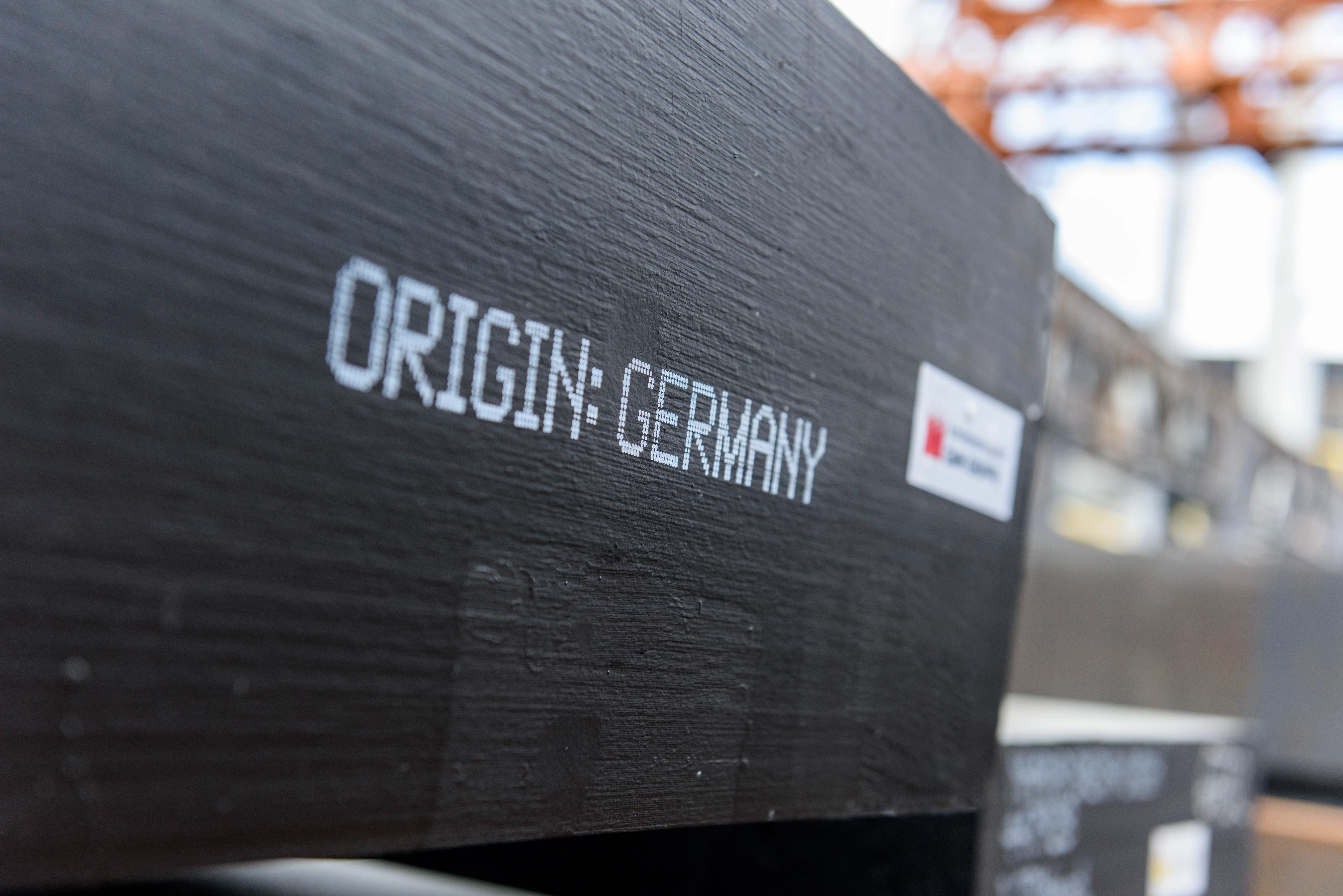
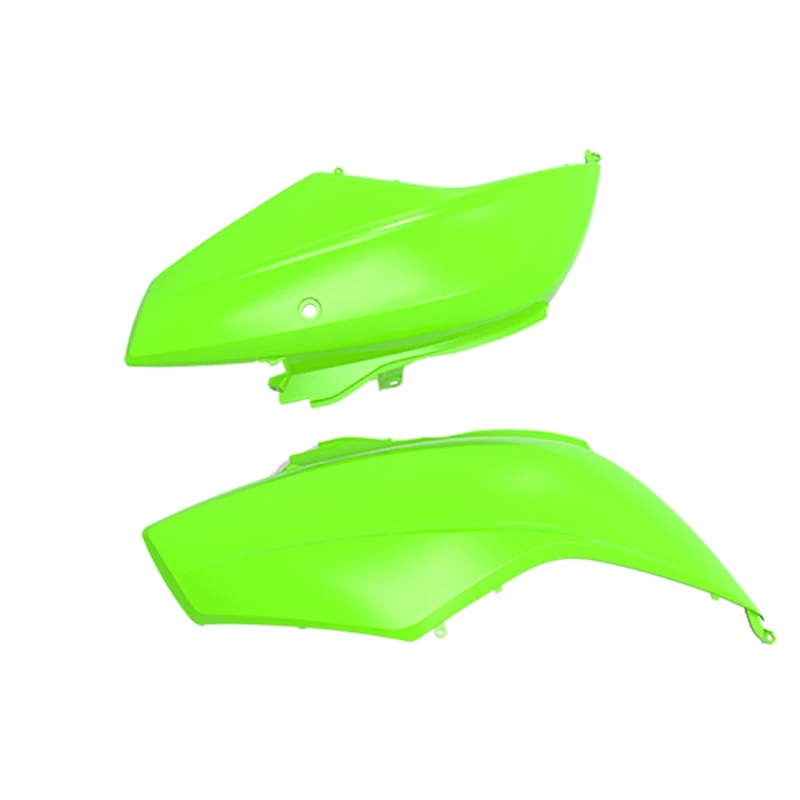
Steel molds are used across nearly all plastics sectors because they can support high accuracy, long service life, and stable repeatability.
- Automotive: Interior trim, instrument panels, connectors, under-hood components, and structural inserts commonly use 718, H13, or stainless grades depending on finish and wear demand.
- Consumer goods and appliances: P20 and 718 are common for housings, handles, covers, and medium-volume parts where cost and lead time matter.
- Medical devices: 420 SS and S136 are preferred where corrosion resistance, cleanability, and high polish are essential.
- Packaging and closures: Stainless and pre-hardened steels are used for high-cavity tooling where dimensional repeatability and corrosion control matter.
- Optical and cosmetic parts: NAK80 and S136 are used for mirror-finish surfaces and low-defect appearance-critical components.
One poor-fit use is low-volume prototype tooling with very short expected life, where aluminum or softer materials can be more economical than steel because the durability advantage of steel is not fully utilized.
Technological Innovations and Automation
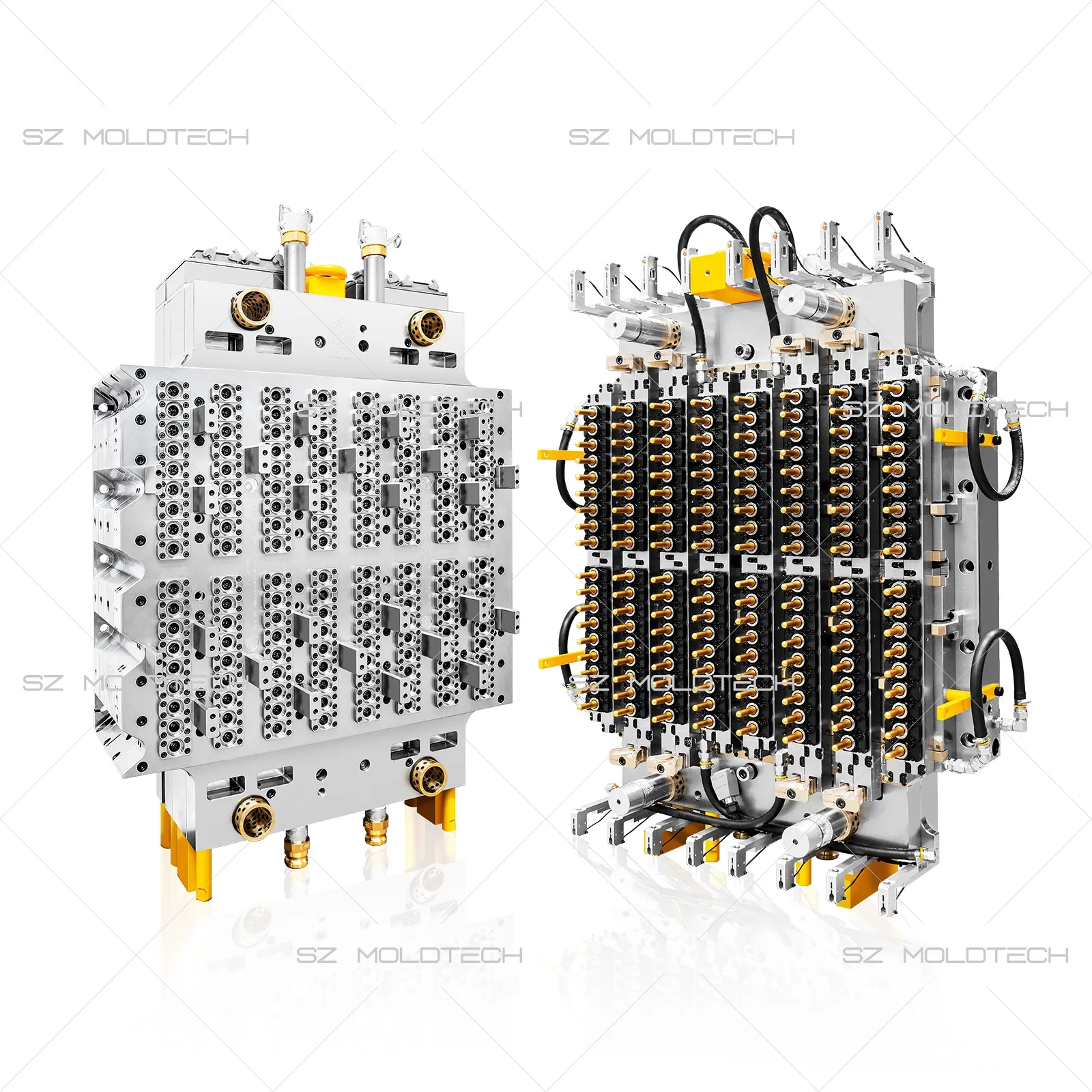
Modern mold-steel practice is closely tied to automation in machining, heat treatment, and mold validation. CNC milling, EDM, deep-hole drilling, and automated polishing have raised the importance of steel consistency because a uniform microstructure reduces tool wear and surface defects during finishing.
Key innovations include:
- ESR and high-purity steels, which improve cleanliness, polishability, and fatigue performance.
- Pre-hardened supply conditions, which reduce post-heat-treatment distortion and shorten lead times.
- Additive or hybrid manufacturing for inserts, where steel inserts may be conventionally machined and then locally modified for conformal cooling or repair.
- Digital process monitoring, which links steel choice to mold temperature control, cycle stability, maintenance scheduling, and part quality analytics.
Automation does not eliminate material selection; rather, it increases the premium on steels that machine predictably, respond consistently to heat treatment, and maintain dimensional stability in complex tool architectures.
Environmental and Sustainability Aspects
Steel mold choice affects sustainability in several ways:
- Longer tool life reduces replacement frequency and the embodied energy associated with new tooling.
- Better corrosion resistance lowers scrap and rework caused by rust, contamination, or surface deterioration in humid or chemically aggressive environments.
- Improved wear resistance helps preserve cavity dimensions and reduces off-spec parts over time.
- Cooling-channel integrity is supported by stable steels, helping maintain cycle efficiency and reduce energy per molded part.
At the same time, harder and more specialized steels can require more energy-intensive machining and heat treatment. The sustainability trade-off is therefore not purely about selecting the hardest steel, but about choosing the lowest-impact steel that meets the required life, finish, and corrosion profile.
Economic and Global Market Impact
Mold steel is a foundational input to the plastics tooling supply chain. Its economics are shaped by steelmaking quality, heat-treatment capacity, regional machining capability, and end-market demand for packaging, automotive, medical, and consumer products.
A few broad market patterns are clear:
- P20-class steels dominate general-purpose molds because they offer a favorable balance of cost, machinability, and availability.
- Premium stainless and ESR grades command higher prices but can lower lifetime cost where polish quality, corrosion resistance, and maintenance reduction are decisive.
- Large mold programs often use hybrid steel strategies, with tougher or more corrosion-resistant grades in critical inserts and more economical steel in noncritical plates.
For mold shops and processors, steel choice affects not only raw material cost but also lead time, scrap risk, maintenance burden, and production uptime. That makes mold steel a strategic procurement item rather than a simple commodity.
Current Challenges and Innovations
The main technical challenge is that mold steels must satisfy several competing requirements at once. Increasing hardness can improve wear resistance but may reduce machinability or toughness; improving corrosion resistance can raise material cost and complicate machining; and maximizing polishability may require cleaner and more expensive metallurgy.
Current areas of innovation include:
- Cleaner metallurgical routes to reduce inclusions and improve mirror polishing.
- Better balance of toughness and hardness for filled polymers and high-volume tooling.
- Localized surface engineering, including nitriding, coatings, and repair welding in selected applications.
- Steel selection by failure mode, where the material is chosen specifically to address wear, corrosion, galling, or impact as the dominant risk.
Future Outlook
The future of steel for molds is likely to be shaped by three forces: more demanding polymer formulations, more automated toolmaking, and stricter expectations for energy efficiency and lifecycle cost.
Likely trends include:
- Greater use of premium stainless and ESR grades in medical, optical, and corrosion-prone applications.
- Wider adoption of hybrid tooling architectures, combining conventional steel blocks with advanced inserts and cooling strategies.
- More data-driven steel selection, using production volume, resin chemistry, cycle temperature, and maintenance history to choose the optimal grade rather than relying on legacy rules of thumb.
- Material optimization for circular manufacturing, where tooling durability and process stability become more important as processors handle recycled and more variable feedstocks.
Summary
Steel for molds is a specialized class of tool steel and stainless steel selected to meet the demanding requirements of plastics processing. The most widely used families are P20-type pre-hardened steels, H13-type hot-work steels, and 420/S136 stainless steels, each serving different combinations of volume, wear, corrosion, and finish requirements.
References
- •
A guide to choosing the right steel. (2024, November 4). Myplasticmold. https://myplasticmold.com/a-guide-to-choosing-the-right-steel.htmlLink
- •
Tool steels and injection molding. (2024, March 11). Mantle3D. https://mantle3d.com/blogs/tool-steels-and-injection-molding-a-comprehensive-guide/Link
- •
Mold steel selection guide — Choosing the right steel for injection molds. (n.d.). MFGABC. https://www.mfgabc.com/guide/mold-steel-selection.htmlLink
- •
Mold steel guide: Learn the kinds of steel in the mold. (2024, October 21). BFY Mold. https://bfymold.com/learn-the-kinds-of-steel-in-the-mold/Link
- •
Common steel types for plastic molds. (2024, June 5). Volksmolds. https://volksmolds.com/2024/06/05/types-of-mold-steel/Link
- •
Types of mold steel materials. (2023, December 22). MEGA MOLD. https://megamould.com/types-of-mold-steel-materials/Link
- •
Mold steel selection guide for injection molds. (n.d.). Tstar Mold. https://www.tstar-mold.com/mold-steel-selection-guide-choosing-the-right-material-for-injection-molds/Link
- •
Mold industry steel guide. (n.d.). Fushun Special Steel. https://www.fushunspecialsteel.com/mold-industry-steel-guide/Link
- •
Mold steel. (2018, March 15). Finkl Steel. https://www.finkl.com/products/mold/Link
- •
Your guide to choosing the right injection mold steel material. (2024, January 3). Boyan Manufacturing. https://boyanmfg.com/injection-mold-steel-material-guide/Link
- •
Classification of mold making materials. (n.d.). Prototool. https://prototool.com/mold-making-materials/Link
- •
Steels for moulds. (n.d.). Uddeholm. http://www.wardesteelandmetals.com/upload/files/Partners/UDDEHOLM/Catalogs/STEELS%20FOR%20MOULD-eng_040101.pdfLink
- •
How to choose the right mold steel. (2025, August 7). Ambition Molding. https://ambitionmolding.com/how-to-choose-the-right-mold-steel-for-your-molds/Link
- •
How to choose the plastic mold steels? (n.d.). Ecomolding. https://www.injectionmould.org/2019/03/11/the-mold-steel/Link
- •
Mold steel selection. (2024, June 11). VEM Tooling. https://www.vem-tooling.com/mold-steel-selection/Link
- •
Injection mold steel types: Selection guide. (2021, January 4). Cavity Mold. https://www.cavitymold.com/injection-mold-steel-types/Link
- •
Commonly used steel materials for injection molds. (n.d.). ZetarMold. https://zetarmold.com/commonly-used-steel-materials/Link
- •
A guide to the different tool steels for injection molds. (2024, March 14). FORGE. https://forgeimpact.org/a-guide-to-the-different-tool-steels-for-injection-molds/Link
- •
Mold steel selection guide: P20 vs. H13 vs. S136 for your project. (n.d.). Hordrt. https://www.hordrt.com/default/mold-steel-selection-p20-vs-h13-vs-s136/Link
- •
Plastic mold steel comparison: P-20 vs. XPM vs. NAK80 vs. SKD61. (n.d.). Howmin. https://www.howmin.com.tw/en/post/moldsteelLink
- •
Injection mold steel material selection. (n.d.). Spark Mould. https://www.spark-mould.com/injection-mold-steel-material-selection.htmlLink
- •
Mold material selection guide. (2025, June 18). RJC Mold. https://rjcmold.com/mold-material-selection/Link
- •
What steels are used in mold making. (2024, October 24). HX Moldtech. https://www.hx-moldtech.com/news/what-steels-are-used-in-mold-makingLink
- •
Injection molding: Mold design. (2025, February 7). Avient. https://www.avient.com/resource-center/knowledge-base/article/injection-molding-mold-designLink
- •
Mold steels for corrosive applications. (n.d.). Industeel. https://industeel.arcelormittal.com/fichier/mold-steels-for-corrosive-applications/Link
- •
Mold and die steel selection guide. (2023, August 30). Rapid-Protos. https://www.rapid-protos.com/mold-and-die-steel-selection-guide/Link
- •
Steel for plastic injection molds: A deeper understanding of selection and application. (2024, October 19). Hanoi Mould. https://hanoimould.com/steel-for-plastic-injection-molds-a-deeper-understanding-of-selection-and-application/Link
- •
Mold materials. (n.d.). Chonnam National University. http://contents.kocw.or.kr/contents4/document/lec/2013/ChonNam/LeeBongKee1/4.pdfLink
- •
Mold and die steels. (n.d.). Titus Steel. https://titussteel.com/our-products/mold-and-die-steels/Link
- •
Classification of plastic mould steel. (2022, January 6). FCS Tool Steel. https://www.fcstoolsteel.com/caseinfo-classification-of-plastic-mould-steel.htmlLink
- •
Tool steel selection for injection molding. (2020, March 11). Kaysun. https://www.kaysun.com/blog/injection-molding-tool-steelLink
- •
About mold steel. (2023, February 21). Songshun Steel. https://songshunsteel.com/about-mold-steel/Link
- •
Plastic injection mold steel characteristics & applications. (2021, February 8). Upmold. https://upmold.com/injection-mould-steel-characteristics/Link
- •
Tool steel for plastic mold steel: Comprehensive analysis. (2026, May 15). Patsnap Eureka. https://eureka.patsnap.com/materials/tool-steel-plastic-moldLink
- •
Tool steel for injection molding. (n.d.). Uddeholm. https://www.uddeholm.com/us/en-us/applications/injection-molding/Link
- •
Machining tool steel and injection molds. (n.d.). Reddit. https://www.reddit.com/r/Machinists/comments/ybjp06/machining_tool_steel_and_injection_molds/Link