
引言
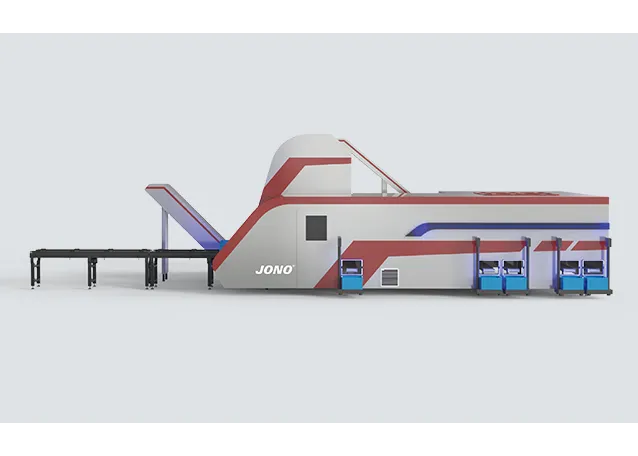
废物分离和分拣系统是指用于将混合废物流分成可回收组分的机械、基于传感器和自动化技术,例如纸张、塑料、金属、有机物、玻璃和残余物。在现代回收和材料回收设施中,这些系统是收集与下游再加工之间的核心界面,决定了回收材料的纯度和工厂的经济性。
在工业实践中,该术语涵盖广泛的设备系列:筛分装置、风力分选器、磁选机和涡电流分离器、弹道分离器、光学分选机以及机器人辅助拣选站,通常以多阶段生产线形式排列,而非单台机器。其发展受到城市固体废物量增加、更严格的填埋转移目标以及以较低污染回收更高价值二次原材料的需求驱动。
该技术已从人工拣选和简单的尺寸分离发展为高度仪器化的系统,结合摄像头、近红外传感器、X射线方法以及基于人工智能的识别与高速传送带和气动弹射。同时,可持续性考量仍为核心:这些系统可提高回收率并减少原生材料需求,但也需要仔细的能源管理、维护和污染控制,以保持经济和环境有效性。
历史与发展
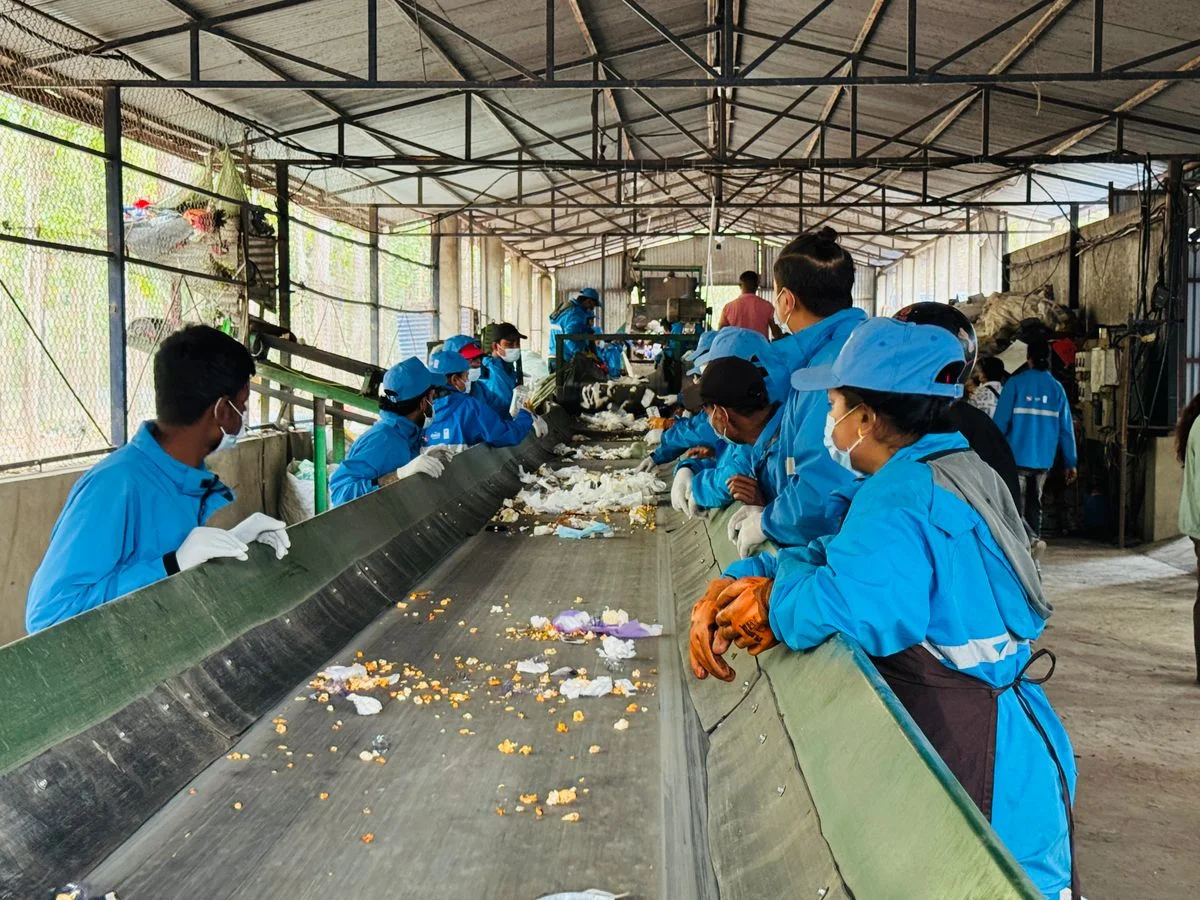
早期废物分选依赖于人工分离、基本筛网和基于重力的分离。随着工业回收的扩展,工厂开始采用机械化筛分、磁选提取黑色金属以及风力分选,以更一致地分离轻重组分。
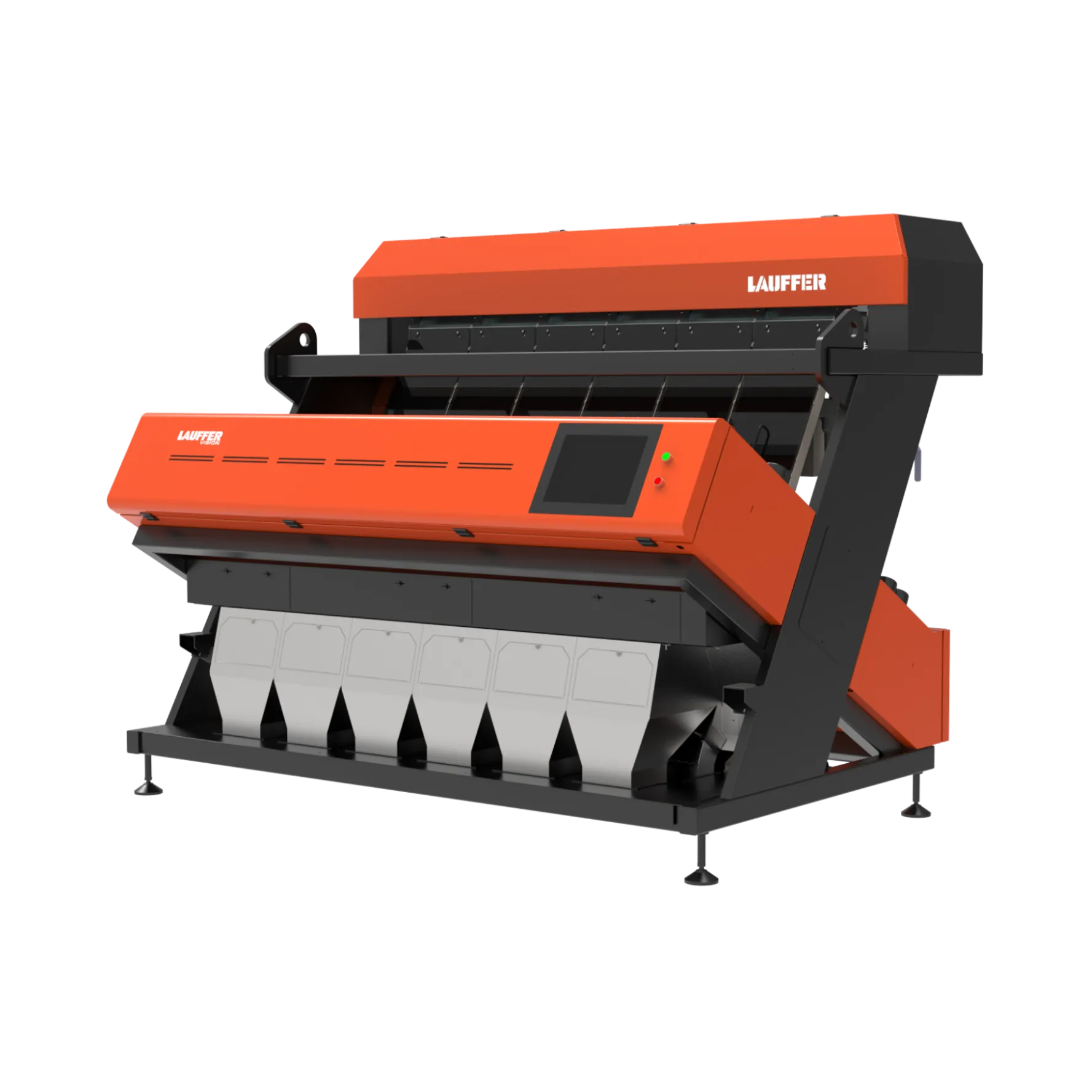
一个重要里程碑是自动化基于传感器的分选的引入,特别是使用可见光、近红外及相关光谱技术的光学分选。这些系统可通过光谱特征识别材料,并用压缩空气弹射选定物品,实现远高于人工分选的吞吐量,并改善塑料和纸张回收的纯度。
最近,人工智能辅助视觉系统和机器人拣选已将自动化扩展到曾经依赖人工判断的任务,特别是复杂的市政或电子废物流。最近的评论和行业报告指出,在传感器融合、机器学习以及机器人末端执行器集成方面持续取得进展,尽管许多工厂仍保留人工质量控制站,因为混合废物流仍高度可变。
技术概述
分离和分拣系统通过利用尺寸、密度、形状、磁性、导电性、光学特性及表面化学的差异发挥作用。典型的材料回收设施按顺序使用多个阶段:
- 预处理:开袋、破碎或拆袋以暴露隐藏材料。
- 筛分:滚筒筛、圆盘筛、星型筛或振动筛按颗粒尺寸分离物流。
- 密度和形状分离:弹道分离器和风力分选器将薄膜和纸张等二维轻组分与三维容器及较重物品分开。
- 金属回收:磁铁去除黑色金属,涡电流分离器弹射铝等有色金属。
- 精细净化:光学分选机、X射线系统和基于人工智能的机器人系统分离目标聚合物、颜色或污染物。
典型性能特征因原料而异,但行业实践和技术评论中通常报告以下范围:
- 滚筒筛和粗筛切割尺寸:通常在约20–150 mm范围内,具体取决于目标是有机物分离、RDF制备还是粗预分选。
- 光学分选吞吐量:每台机器通常每小时数吨,在混合包装和塑料生产线上使用更高吞吐量的系统。
- 转子或滚筒筛分速度:选择时需平衡吞吐量、开口效率和耐磨性,而非单独最大化;操作设置取决于进料。
- 离心脱水后的残余水分:在湿塑料或洗涤线环境中,离心脱水通常将清洁硬质塑料的水分降至约1–3%,但实际值强烈取决于聚合物类型、颗粒几何形状和上游洗涤条件。
- 比能耗:高度取决于生产线架构;机械预分选通常比热处理能耗低,而基于传感器的分选会增加传感器、压缩空气和控制系统的电力需求。
对于塑料而言,分离系统尤为重要,因为废塑料分选通常必须区分塑料与非塑料以及一种聚合物与另一种。评论将人工分选、浮选、静电法、光谱法和基于X射线的方法描述为关键途径,当需要高聚合物纯度时,常使用光学/NIR系统和摩擦静电技术。
主要类型与变体
| 系统类型 | 分离原理 | 典型用途 |
|---|---|---|
| 人工拣选线 | 人工检查 | 去除大块污染物和最终质量控制 |
| 滚筒筛 | 颗粒尺寸 | 打开混合废物并分离细料、有机物和粗大物品 |
| 圆盘筛或星型筛 | 尺寸和形状 | 将薄膜、二维组分和平面材料与三维物品分离 |
| 弹道分离器 | 形状、弹性及轨迹 | 将轻质平面组分与滚动/重质组分分开 |
| 风力分选器/风筛 | 密度和空气动力特性 | 从较重组分中去除轻质纸张和薄膜 |
| 磁选机 | 铁磁性 | 回收铁和钢 |
| 涡电流分离器 | 电导率 | 回收铝和其他有色金属 |
| 光学分选机 | 光谱反射率和颜色 | 按材料或颜色分选塑料、纸张和玻璃 |
| X射线分选机 | 密度/原子响应 | 分离污染物或密度不同的材料 |
| 机器人分选机 | 机器视觉和末端执行器控制 | 灵活拣选特定物品或污染物 |
机械分选线通常结合使用其中几种单元,因为没有单一分离方法能在所有废物组分上表现良好。例如,城市固体废物流可能从滚筒筛开始,经过弹道分离器和风力分选器,然后使用磁选机、涡电流单元和光学分选机进行最终回收。
应用与用途
分离和分拣系统用于任何废物混合、可变且可能可回收的地方。
- 城市固体废物 (MSW):材料回收设施使用集成分选线从家庭和商业垃圾中回收纸张、塑料、金属、玻璃和有机物。
- 包装回收:光学分选机和弹道分离器广泛用于从混合收集物中分离PET、HDPE、薄膜、纸板和铝容器。
- 建筑和拆除废物:筛网、磁选机和风力分离有助于回收金属、木材、惰性细料和骨料。
- 电子废物:基于传感器的系统、人工智能视觉和机器人分选有助于分离电路板、金属、外壳和组件,通常比传统MSW生产线精度更高。
- 塑料回收:NIR、颜色分选、浮选和静电分离用于区分聚合物家族并提高打包或碎片纯度。
- 有机废物预处理:筛网和风力分离在堆肥、厌氧消化或RDF生产前去除污染物。
高度均质的单一材料生产废料是一个不适合的应用,在这种情况下,简单的破碎机、研磨机或熔体过滤系统可能比完整的分离线更合适,因为进料不值得多阶段分选的复杂性。
技术创新与自动化
最近的创新集中在传感器融合上,将可见光摄像头、NIR光谱、X射线技术和电感或电容传感相结合,以在可变光照、污垢和重叠物品下改善识别。这在混合市政和消费后物流中尤为重要,因为污染和污垢可能击败更简单的分类器。
人工智能和机器学习越来越多地用于改善物体识别、拣选选择以及对气流或机械臂的自适应控制。在实践中,当这些系统补充而非取代稳健的机械预分选时效果最佳,因为稳定的进料呈现对于准确识别和驱动仍至关重要。
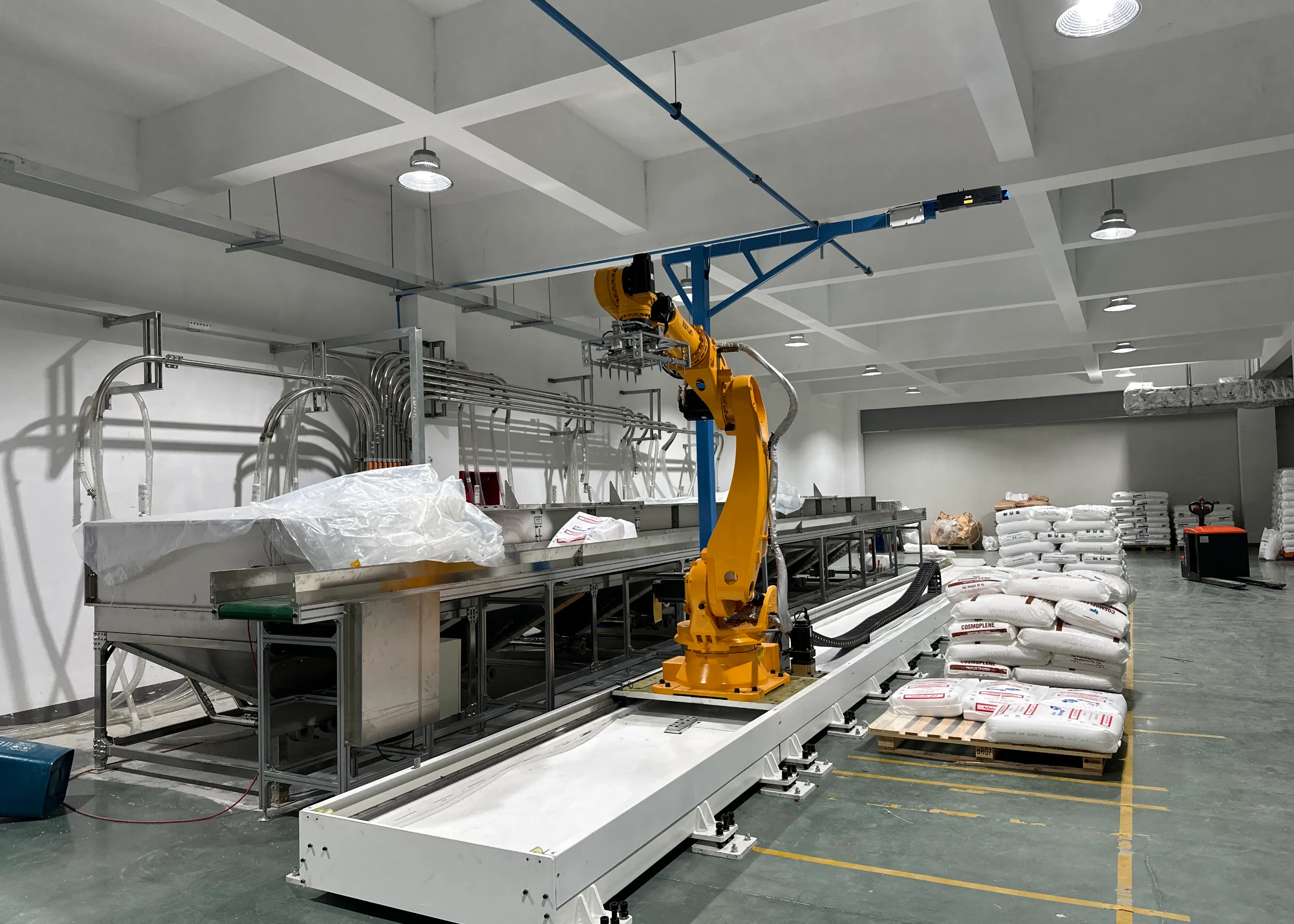
机器人分选也在扩展,特别是用于质量控制和高价值物品的选择性回收。其优势在于一致性以及在恶劣环境中连续工作的能力,而其局限性包括资本成本、对进料呈现的敏感性以及持续软件调整的需求。
环境与可持续性方面
这些系统是循环经济的基础,因为它们增加了二次原材料的回收,并减少了送往填埋或焚烧的可回收材料量。通过提高纯度,它们帮助回收商生产更易被终端市场接受且更适合闭环应用的输出。
当分选线设计为以最小重复处理最大化回收、早期去除污染物并使能耗与输出价值成正比时,其环境效益最强。然而,系统本身消耗电力、压缩空气和维护资源,因此其净可持续性影响取决于吞吐量、正常运行时间以及分选组分的下游市场。
对于塑料而言,更好的分选可通过去除标签、混合树脂、细料和非塑料污染物,大幅改善回收聚合物流的质量,这对于机械回收以及满足包装和模塑产品的规格至关重要。
经济与全球市场影响
分离和分拣系统是回收基础设施中的主要资本类别,因为它们直接影响回收材料的产量、纯度、劳动力成本和可销售性。分离性能更强的设施通常能获得更一致的打包或碎片质量,并能进入更高价值的二次材料市场。
全球投资得到城市废物产生量增加、填埋转移监管压力以及许多地区扩展生产者责任计划增长的支持。同时,商品价格波动可迅速影响分选厂的经济性,因此操作灵活性和低污染尤为重要。
该领域的活跃供应商包括专门从事基于传感器的分离、光学分选和完整MRF设计的机械制造商和系统集成商;其竞争地位通常取决于应用深度、服务能力和区域安装基础,而非单一技术优势。
当前挑战与创新
核心技术挑战是进料可变性。废物流因地理、季节、收集方法和污染水平而异,这使得一刀切的分离变得困难。混合柔性薄膜、多层包装、黑色塑料和严重污染的材料仍特别难以可靠分选。
另一个挑战是自动化与人工质量控制之间的权衡。即使是先进工厂也常保留人工拣选站,因为目视检查对于形状奇特的污染物、超大物品和传感器可能误分类的特殊废物仍有效。这种混合方法是目前最常见的工业解决方案。
因此,创新正朝着以下方向发展:
- 更好地预处理 incoming waste,
- 多传感器分类,
- 基于人工智能的校准,
- 自适应过程控制,
- 以及复杂拣选任务的机器人完成。
未来展望
未来的分离和分拣系统可能更加数字化、自适应,并与全厂数据系统集成。趋势包括传感器融合、远程监控、预测性维护以及用于包装物流的数字水印或物品级识别。
对于塑料加工而言,未来进展将取决于分选系统为机械和化学回收路线提供一致原料质量的能力。最重要的工程方向不是单纯提高自动化,而是以更低的生命周期成本实现更好的纯度,特别是对于混合和污染的消费后废物。
长期轨迹指向将高效机械分离、高速传感和选择性机器人结合的分选线,人工劳动越来越多地保留用于异常处理和最终验证。
参考文献
- •
Source separation, transportation, pretreatment, and valorization of municipal solid waste. (2021, November 10). https://pmc.ncbi.nlm.nih.gov/articles/PMC8579419/Link
- •
Separation and sorting technology in waste management. (2025, January 16). https://www.recyclingtoday.org/blogs/news/separation-and-sorting-technology-in-waste-managementLink
- •
A review on automated sorting of source-separated municipal solid waste for recycling. (n.d.). https://www.iitp.ac.in/~athakur/pubs/wm2016.pdfLink
- •
MSWsorting: Waste sorting machine. (n.d.). https://www.mswsorting.com/Link
- •
Waste sorting. (2006, August 18). https://en.wikipedia.org/wiki/Waste_sortingLink
- •
Choosing the right sorting and separating equipment. (2018, September 13). https://wastemanagementreview.com.au/choosing-right-equipment/Link
- •
List of separation methods used to divert waste from landfill. (2025, August 27). https://wastersblog.com/604/waste-separation-methods/Link
- •
Separation and sorting technology. (2023, September 14). https://recyclinginside.com/recycling-technology/separation-and-sorting-technology/Link
- •
Advanced sorting technologies in the waste sector. (n.d.). https://www.ieabioenergy.com/wp-content/uploads/2024/07/IEA-Bioenergy_-Advanced-sorting-technologies-in-the-waste-sector.pdfLink
- •
6 types of sorting systems for waste management. (2022, February 17). https://www.anis-trend.com/6-types-of-sorting-systems/Link
- •
Sorting and material recovery. (n.d.). https://mohua.gov.in/upload/uploadfiles/files/chap8.pdfLink
- •
Equipment for waste & metal treatment separation systems. (2024, July 4). https://hardrecycle.com/recycling-equipment-systems/separation-systems/Link
- •
5 top household municipal solid waste sorting technologies. (n.d.). https://waste-technology.co.uk/5-top-household-municipal-solid-waste-sorting-equipment-technologies.htmlLink
- •
Lappeenranta University of Technology. (n.d.). https://lutpub.lut.fi/bitstream/handle/10024/143915/SHEHU%20(2017)_THESIS_FINAL%20VERSION.pdf?sequence=2&isAllowed=yLink
- •
5 sorting technologies for e-waste recycling. (2026, April 1). https://www.ricarecycling.com/blog/5-sorting-technologies-for-e-waste-recyclingLink
- •
Waste sorting solutions. (2026, January 27). https://www.stavn.cn/articles.aspx?category_id=187Link
- •
Optical-based sorting systems: The intelligent backbone of modern waste management. (2026, January 18). https://www.linkedin.com/pulse/optical-based-sorting-systems-intelligent-backbone-modern-prabhath-mseicLink
- •
Sorting. (n.d.). https://www.eggersmann-recyclingtechnology.com/en/recycling-machines/sorting/Link
- •
Waste sorting plants. (n.d.). https://caninternational.no/onewebmedia/Waste_sorting_plants_Final-ISWA.pdfLink
- •
Collection & sorting. (2022, January 13). https://plasticseurope.org/sustainability/circularity/waste-management-prevention/collection-sorting/Link
- •
Sorting technology - sensor-based sorting - optical sorting. (n.d.). https://www.tomra.com/waste-metal-recycling/products/machinesLink
- •
Municipal solid waste segregation equipment. (2026, June 2). https://mechwaste.com/msw-equipments-2/Link
- •
A review on automated sorting of source-separated municipal solid waste for recycling. (n.d.). https://www.sciencedirect.com/science/article/abs/pii/S0956053X16305189Link
- •
Waste sorting machines. (2026, July 22). https://wasteinitiatives.com.au/products/sorting-equipment/Link
- •
Sorting systems: Picking the right one for your facility. (2001, January 1). https://www.wastetodaymagazine.com/article/sorting-systems-picking-the-right-one-for-your-facility/Link
- •
Way of working and advantages of sorting systems with manual separation. (2022, January 1). https://www.camec.net/en/blog/way-of-working-and-advantages-of-sorting-systems-with-manual-separationLink
- •
Smart general waste x-ray sorting solution. (2023, June 1). https://wastesortx.com/Link
- •
A comprehensive review of separation technologies for plastic waste. (2023, October 15). https://www.sciencedirect.com/science/article/abs/pii/S0921344923002239Link
- •
Waste sorting machines & automated systems. (n.d.). https://www.tomra.com/waste-metal-recycling/applications/waste-recyclingLink
- •
Sensor-based technologies in effective solid waste sorting: Successful applications, sensor combination, and future directions. (2022, November 16). https://pubs.acs.org/doi/abs/10.1021/acs.est.2c05874Link
- •
MSW sorting machine | municipal waste equipment. (n.d.). https://www.energycle.com/msw-sorting-machines/Link
- •
Waste sorting plant. (n.d.). https://www.mswsorting.com/waste-sorting-plant/Link
- •
E-ISSN: 2582-5208. (n.d.). https://www.irjmets.com/uploadedfiles/paper/issue_4_april_2023/36471/final/fin_irjmets1682143674.pdfLink
- •
Design and implementation of an automatic waste sorting machine. (2025, April 1). https://zenodo.org/records/15118542Link
- •
Technical solutions for waste classification and management. (2022, November 15). https://pmc.ncbi.nlm.nih.gov/articles/PMC10108328/Link
- •
Design and simulation of small-scale waste separation and sorting equipment. (n.d.). https://psecommunity.org/wp-content/plugins/wpor/includes/file/2302/LAPSE-2023.2485-1v1.pdfLink
- •
Automated waste systems: Key technologies. (2026, September 3). https://www.councilfire.org/guides/automated-waste-systems-key-technologies/Link
- •
Sorting systems: Efficient solutions for quality and yield. (n.d.). https://www.sesotec.com/en/blog/blog-detail/sorting-systems-efficient-solutions-for-quality-and-yieldLink
- •
CPG sorting technologies. (2026, January 13). https://cpgrp.com/Link
- •
Design and simulation of small-scale waste separation and sorting equipment. (n.d.). https://www.mdpi.com/2227-9717/10/5/1020Link
- •
AI-powered waste sorting solutions. (2023, October 25). https://ampsortation.com/Link
- •
A review of smart solutions for waste collection, sorting, and recycling. (n.d.). https://www.sciencedirect.com/science/article/pii/S2590123025001069Link
- •
Smart and efficient waste management through wireless IoT-enabled deep learning. (2026, April 1). https://www.nature.com/articles/s41598-026-43827-8Link
- •
Design and fabrication of a low-cost automated waste sorting system. (n.d.). https://dergipark.org.tr/tr/download/article-file/4748117Link
- •
4 smart waste management solutions that are changing the game. (2023, April 6). https://earth.org/smart-waste-management/Link
- •
Modern technologies for waste management: A review. (n.d.). https://www.mdpi.com/2076-3417/13/15/8847Link
- •
Smart waste management and classification system using deep learning. (2025, April 1). https://pmc.ncbi.nlm.nih.gov/articles/PMC12190594/Link
- •
6 smart waste management technologies emerging in 2026. (2023, May 15). https://www.rts.com/blog/smart-waste-management-technologies/Link
- •
A guide to modern waste management systems. (2025, October 3). https://www.recyclingbristol.com/a-guide-to-modern-waste-management-systems/Link
- •
Multi-class waste segregation using computer vision and robotic arm. (2024, May 10). https://pmc.ncbi.nlm.nih.gov/articles/PMC11157593/Link
- •
Modern waste systems: Effective solutions for sustainable management. (2026, July 22). https://www.mark-costello.com/modern-waste-systems/Link
- •
Types of waste management. (2025, February 16). https://frontierwaste.com/resources/types-of-waste-management/Link