
引言
低温增韧剂是添加剂或反应性改性剂,用于改善聚合物和聚合物基复合材料在零下或低温服役条件下的抗冲击性、延展性和抗裂纹扩展能力。它们在温度下降时变得脆性的塑料中尤为重要,例如环氧树脂、PVC、聚丙烯、PLA、ABS、尼龙以及某些工程热塑性塑料。低温增韧是一种比单一化学更广泛的材料工程功能:它包括橡胶状抗冲击改性剂、热塑性改性剂、核壳弹性体、反应性液体聚合物、嵌段共聚物、纳米粒子和混合系统,旨在在链迁移率因冷却而降低时保持韧性。
在工业实践中,“低温”通常指在-40 C左右的性能测试,而“超低温”可能延伸至冷气候工程和航空航天或能源应用中的-60 C。核心设计挑战是在不牺牲其他关键性能(如刚度、耐热性、粘附性、阻燃性、电性能或加工性)的情况下增加能量吸收。
历史与发展
塑料中的早期增韧策略依赖于本体增塑、橡胶共混和增塑,但这些方法往往降低耐热性和尺寸稳定性。随着时间的推移,配方科学转向更受控的形态:分散的橡胶粒子、核壳胶乳改性剂、热塑性弹性体域以及在保持基体结构的同时产生局部屈服或空化的反应性相容系统。
对于环氧等热固性塑料,开发路径尤为重要,因为传统环氧树脂提供高强度和耐化学性,但本质上脆性,尤其在低温下。现代低温环氧增韧越来越多地使用反应性液体聚合物、核壳橡胶粒子、热塑性低聚物和混合纳米杂化系统,以提高断裂韧性而不会严重降低玻璃化转变温度或粘度。
在热塑性塑料中,低温韧性通过弹性体抗冲击改性剂、成核剂和形态控制得到提升。例如,在聚丙烯体系中,β晶工程、弹性体共混以及微量矿物或纳米添加剂已被证明可通过改变裂纹萌生和能量耗散途径来改善低温冲击性能。
化学结构与关键性能
低温增韧剂更多由功能而非单一结构定义,但大多数属于以下化学家族之一:
- 弹性体改性剂,如乙烯-丙烯橡胶、POE型聚烯烃、EPDM和丁腈基共聚物
- 核壳抗冲击改性剂,具有橡胶状核心和相容壳层,通常为丙烯酸基
- 反应性液体聚合物,具有低玻璃化转变温度链段,成为固化网络的一部分
- 热塑性改性剂,如PES或用于热固性塑料的专用共聚酯
- 功能填料和纳米填料,促进裂纹偏转、钉扎或受控空化
- 混合系统,结合上述一种或多种与相容剂或成核剂
最重要的性能要求是改性剂在基础聚合物接近或低于其脆-韧转变温度时仍有效。改性剂应创建以下一种或多种机制:
- 粒子空化后基体剪切屈服
- 裂纹钉扎和裂纹偏转
- 粒子-基体界面受控脱粘
- 相分离的延性域吸收冲击能量
- 应力区域局部模量降低或链迁移率增加
两个常见的现实限制定义了配方策略:
- 低温冲击改善极限 → 原因: 在低温下,橡胶相会变硬,空化更困难,降低增韧效果 → 解决方法: 使用较低Tg的弹性体、核壳系统或与相容化第二相的混合增韧。
- 耐热性权衡 → 原因: 高负载软改性剂会降低刚度和玻璃化转变温度 → 解决方法: 使用反应性改性剂、优化粒径或协同成核/填料系统以保持基体完整性。
一个有用的机制示例是热塑性塑料中的核壳丙烯酸改性剂:橡胶状核心引发局部空化,而壳层改善分散性和与宿主树脂的相容性,实现能量耗散而非灾难性裂纹生长。
生产工艺与原料
生产取决于化学类别:
- 核壳抗冲击改性剂 通常通过乳液聚合或分阶段聚合制备,形成富橡胶核心和相容壳层。
- 反应性液体聚合物增韧剂 由带有官能端基的低聚或聚合中间体合成,这些端基在固化过程中反应进入热固性网络。
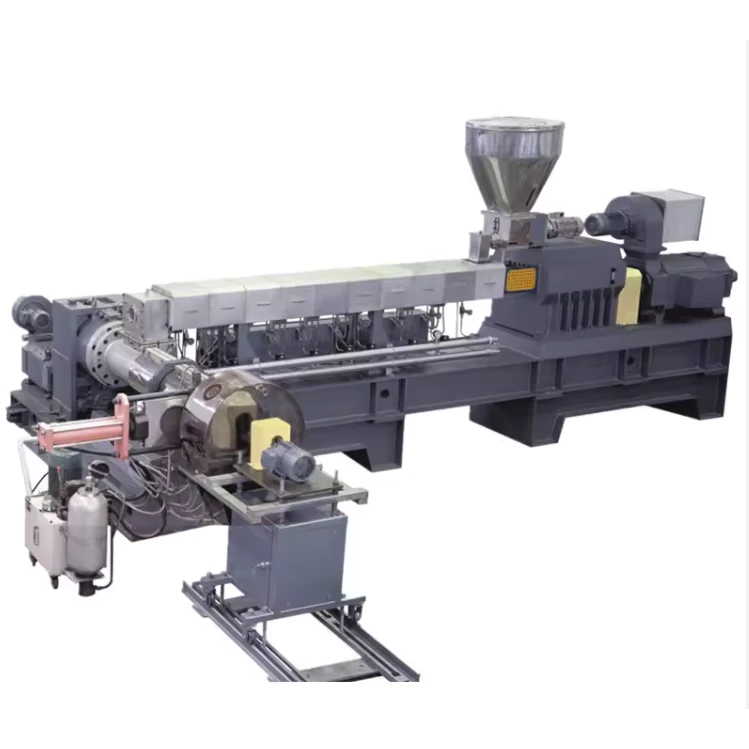
- 热塑性增韧剂 作为颗粒、粉末或母料配混,通过挤出或熔融混合掺入宿主树脂。
- 纳米填料基增韧剂 需要仔细的表面处理和分散控制,以避免团聚和性能损失。
原料因产品类型而异:
在工业配混中,剂量通常适中但高度依赖配方。报告的示例包括某些ABS抗冲击改性剂包的3%至8%,以及更坚韧的热塑性或热固性共混体系的10%至20%,其性能强烈取决于混溶性、界面粘附和目标服役温度。
应用与终端市场
低温增韧剂用于商品和高性能塑料。
| 终端使用领域 | 典型宿主树脂 | 常用增韧方法 | 功能目标 |
|---|---|---|---|
| 结构粘合剂 | 环氧、甲基丙烯酸酯 | 反应性液体聚合物、核壳橡胶、热塑性增韧剂 | 在低温下保持剥离、搭接剪切和抗冲击性 |
| 复合材料与航空航天 | 环氧、乙烯基酯 | 热塑性增韧剂、纳米杂化系统、弹性体改性剂 | 提高断裂韧性而不过度增加粘度 |
| 汽车零部件 | PP、ABS、PA、PVC | 弹性体共混、核壳改性剂、相容剂 | 减少保险杠、外壳、夹子和饰条的脆性断裂 |
| 寒冷气候管道与型材 | PVC、CPVC、PP | CPE、丙烯酸改性剂、弹性体抗冲击改性剂 | 在低温下保持冲击强度和加工流动性 |
| 电气与电缆化合物 | PVC、聚烯烃体系 | 阻燃相容增韧剂、CPE型改性剂 | 平衡低温柔韧性与电气和防火性能 |
| 包装与消费品 | PLA、PP、ABS | 生物基相容改性剂、弹性体、共混共聚物 | 改善跌落抵抗力和冷链耐久性 |
| 低温与极端环境系统 | 环氧复合材料、专用热塑性塑料 | 热塑性增韧剂、低热膨胀填料、混合系统 | 抵抗严重热收缩下的开裂 |
几个系统尤为突出:
- 环氧树脂: 低温增韧在粘结结构、涂层、复合材料和修复材料中至关重要。混合系统可提高断裂韧性并保持服役温度,适用于低温罐、 offshore 结构和航空航天维修。
- PVC: 低温抗冲击改性剂如氯化聚乙烯广泛用于防止刚性和半刚性PVC产品脆化,包括型材、管道、管件和电缆护套。
- 聚丙烯: 低温韧性可通过弹性体共混、β成核和粒子或矿物辅助裂纹控制得到改善;这与汽车和户外用品相关。
- PLA: 生物基PLA因可持续性而具有吸引力,但本质上脆性;研究表明,精心选择的增韧剂可显著改善低温延展性和冲击强度。
不合适的用途是高负载软增塑在高热结构件中,因为过度柔化会损害热变形抵抗性、刚度和长期尺寸稳定性。
环境与可持续性方面
低温增韧剂可提高耐久性,耐久性本身具有可持续价值,因为更长的使用寿命可减少过早失效和材料更换。然而,环境平衡强烈取决于化学成分、剂量和报废兼容性。
关键可持续性问题包括:
- 可回收性: 如果改性剂相容性差或导致再加工时性能漂移,多相配方会使机械回收复杂化。
- 生物基替代品: PLA和其他生物基聚合物通常需要增韧才能在实际寒冷天气应用中可行,但改性剂不应损害最终产品的生物基或可堆肥声明。
- 碳足迹: 添加增韧剂可能增加配方复杂性,但也能实现轻量化和更长寿命,从而降低苛刻应用中的全生命周期排放。
- 循环设计: 相容化、低剂量和反应性系统通常比高增塑系统更具吸引力,因为它们保持性能并可改善回收保留率。
最可持续的途径通常是性能优化而非最大软化:使用最小有效改性剂负载,最大化界面效率,并从一开始就设计可回收性。
经济与全球市场影响
低温增韧剂的需求由建筑、基础设施、交通、电气、涂层、粘合剂和冷链包装驱动。向可再生能源、电动汽车、轻质复合材料和寒冷地区基础设施中更高性能塑料的转变也支持了增长。
市场结构因产品类别而异:
更广泛的抗冲击改性剂和增韧剂市场的主要供应商包括Arkema等主要全球添加剂公司,以及服务于PVC、环氧和工程热塑性塑料的专用配混商和改性剂。
当前挑战与创新
当前技术挑战集中在平衡韧性与其他性能:
- 低温有效性与刚度
- 韧性与耐热性
- 抗冲击性与透明度或颜色
- 相容性与回收简单性
- 冲击强度改善与热固性塑料加工粘度
有前景的创新方向包括:
- 混合增韧系统,结合橡胶、热塑性和纳米填料机制
- 反应性改性剂,成为网络的一部分而非作为迁移性添加剂
- 低粘度增韧剂,用于灌注、修复和低温固化工艺
- 半结晶聚合物中的形态工程,如聚丙烯中的β晶促进
- 低温复合材料聚焦的纳米改性,用于暴露于极端热收缩的复合材料
从机制上讲,该领域正转向不仅仅是“更软”的添加剂包,而是更智能的添加剂包:它们在正确的尺度和温度下触发受控空化、剪切带和裂纹偏转。
未来展望
未来需求可能会在需要冷或热循环环境中可靠冲击性能的领域上升,特别是结构粘合剂、能源基础设施、电动交通、航空航天复合材料和寒冷气候消费品。
预计研究将强调:
- 低温下的更好界面控制
- 多功能改性剂,添加阻燃性、UV稳定性和电气性能
- 用于循环材料的生物基和低毒性增韧剂
- 在改善零下韧性的同时保持可回收性的配方策略
低温增韧剂将在塑料必须在普通环境条件之外执行的任何地方保持重要性。它们的价值不仅在于防止脆性断裂,还在于将聚合物材料的使用范围扩展到更冷、更苛刻和技术要求更高的环境中。
摘要
低温增韧剂是一类多样的塑料添加剂和反应性改性剂,可防止聚合物在零下服役条件下发生脆性失效。其有效性取决于形态、界面粘附以及激活受控变形机制(如空化、剪切屈服和裂纹偏转)的能力。它们在环氧树脂、PVC、聚丙烯、PLA、ABS和其他聚合物体系中必不可少,并越来越多地受可持续性要求、可回收性目标以及寒冷气候和低温应用中高性能材料需求的塑造。
参考文献
- •
Toughening and strengthening of low-temperature resistant epoxy resins by introducing high-performance thermoplastic resin with phthalazinone structure. (n.d.). ScienceDirect. https://www.sciencedirect.com/science/article/abs/pii/S0032386122011077Link
- •
How low can ultra-low temperature toughening agents go? (n.d.). https://www.jiuju.com/EngineeringPlasticsModification/UltraLowTemperatureTougheningAgents.htmlLink
- •
Recommended solutions. (2019). ChemPoint. https://www.chempoint.com/guides/paraloid-selector-guide/paraloid-by-application/electronicsLink
- •
Poly (lactic acid) blends with excellent low temperature toughness: A comparative study on poly (lactic acid) blends with different toughening agents. (2022, March 15). PubMed. https://pubmed.ncbi.nlm.nih.gov/35077751/Link
- •
強靭化剤は低温性能を向上させることができますか? (2025, August 7). https://www.kgt88.com/ja/blog/can-toughening-agents-improve-low-temperature-performanceLink
- •
High-performance strengthen impact resistant agent series. (2019). GO YEN CHEMICAL INDUSTRIAL CO LTD. https://www.goyenchemical.com/en/product-category/high-value-functional-additive/strengthen-impact-resistant-agent-series/Link
- •
Impact modifiers. (n.d.). Eversun. https://www.espoly.net/Additive/Impact-modifiers/Link
- •
Poly (lactic acid) blends with excellent low temperature toughness. (n.d.). ScienceDirect. https://www.sciencedirect.com/science/article/abs/pii/S0141813022001416Link
- •
High performance toughening agent for thermosetting resins. (n.d.). Arkema. https://plasticadditives.arkema.com/en/innovation/high-performance-toughening-agent-for-thermosetting-resins/Link
- •
Brittleness mechanisms and toughening strategies of epoxy resins at cryogenic temperature. (2026, July 2). PMC. https://pmc.ncbi.nlm.nih.gov/articles/PMC13325330/Link
- •
Ultrahigh low-temperature toughness of polypropylene composites with low ductile-brittle transition temperature by introducing traces of needlelike wollastonite. (2022, September 2). Taylor & Francis. https://www.tandfonline.com/doi/full/10.1080/00222348.2022.2145751Link
- •
FORTEGRA® 100. (2025, June 30). Palmer Holland. https://www.products.palmerholland.com/products/fortegra-100-epoxy-toughening-agentLink
- •
CLEARSTRENGTH® XT 151. (n.d.). Arkema. https://plasticadditives.arkema.com/assets/arkema/Clearstrength%20XT%20151_8-22.pdfLink
- •
复合固化剂协同增韧技术助力超低温结构胶性能突破. (n.d.). https://metalworld.ustb.edu.cn/cn/article/pdf/preview/10.3969/j.issn.1000-6826.2025.05.2202.pdfLink
- •
Low viscosity and low temperature curing reactive POSS/epoxy resin composites with high toughness and thermal stability. (2024, March 1). RSC. https://pubs.rsc.org/en/content/articlehtml/2024/ra/d3ra08390jLink
- •
Toughening thermosets with reactive liquid polymers. (2023, September 5). Polymer Innovation Blog. https://polymerinnovationblog.com/toughening-thermosets-with-reactive-liquid-polymers/Link
- •
The versatility of CPE 135A: Modification mechanism and wide application. (2025, August 20). WSD Chemical. https://www.wsdchemical.com/technical-support/the-versatility-of-cpe-135a--modification-mechanism-and-wide-application.htmlLink
- •
Single-wall carbon nanotubes as attractive toughening agents in alumina-based nanocomposites. (2003, January 19). PubMed. https://pubmed.ncbi.nlm.nih.gov/12652671/Link
- •
Fracture and toughening mechanisms of silica- and core–shell rubber-toughened epoxy at ambient and low temperature. (n.d.). Springer. https://link.springer.com/article/10.1007/s10853-019-03893-yLink
- •
ABS toughening agent – Boost impact strength. (2025, May 31). FlychemTech. https://flychemtech.com/product/abs-toughening-agent/Link
- •
Low temperature impact modifier archives. (n.d.). Compatibilizer. https://compatibilizer.com/th/product-tag/low-temperature-impact-modifier/Link
- •
CLEARSTRENGTH® XT 100. (n.d.). Arkema. https://plasticadditives.arkema.com/assets/arkema/TDS%20Clearstrength%20XT%20100.pdfLink
- •
Products. (2025, June 30). Huntsman. https://products.huntsman.com/products?category=technologies-composite-materials-additives-functional-additives&page=6Link
- •
Polypropylene-elastomer (TPO) nanocomposites. (n.d.). ScienceDirect. https://www.sciencedirect.com/science/article/abs/pii/S0032386111010494Link
- •
10 common plastic toughening agent combination schemes. (2025, April 28). Hoorenwell. https://www.hoorenwell.com/news/376-en.htmlLink
- •
Toughening carbon fibre composites at cryogenic temperatures using low-thermal expansion nanoparticles. (n.d.). ScienceDirect. https://www.sciencedirect.com/science/article/abs/pii/S1359835X21003316Link
- •
CN113429747B - Low-temperature-resistant toughened epoxy resin and preparation method thereof. (2021, August 17). Google Patents. https://patents.google.com/patent/CN113429747B/enLink
- •
A low-temperature resistant high-strength polyethylene material and its preparation method. (2026, January 29). Kerke Extruder. https://www.kerkeextruder.com/news/industry-news/a-low-temperature-resistant-high-strength-polyethylene-material-and-its-preparation-method/Link
- •
Comparison of toughening effects of several common toughening agents and polycarbonate‐polydimethylsiloxane block copolymer on polyvinyl chloride. (n.d.). Wiley. https://onlinelibrary.wiley.com/doi/10.1002/pat.6013Link
- •
Toughening mechanism in impact polypropylene copolymer containing a β-nucleating agent. (n.d.). RSC. https://pubs.rsc.org/en/content/articlelanding/2016/ra/c6ra01046fLink
- •
How POE-g-MAH enhances nylon's mechanical properties. (2025, September 26). https://www.nbinno.com/article/impact-modifier/mechanism-poe-g-mah-nylon-properties-qwLink
- •
What are the methods for low-temperature toughening of PP? (2021, April 22). Polyrocks. https://www.polyrocks.net/news/low-temperature-toughening-pp.htmlLink
- •
Effect of annealing temperature on low-temperature toughness of β-nucleated polypropylene random copolymer/ethylene-propylene-diene terpolymer blends. (n.d.). Springer. https://link.springer.com/article/10.1007/s10118-015-1579-1Link
- •
What is a toughening agent and how does it work in plastics? (2025, July 10). https://www.kgt88.com/blog/what-is-a-toughening-agent-and-how-does-it-work-in-plasticsLink
- •
Compatibilizers. (n.d.). HONSEA. https://en.honsea.com/material_details/6.htmlLink
- •
Great improvement of low‐temperature impact resistance of isotactic polypropylene/ethylene propylene diene monomer rubber blends by traces of carbon nanotubes and β‐nucleating agents. (n.d.). Wiley. https://onlinelibrary.wiley.com/doi/abs/10.1002/pat.4788Link
- •
Low-temperature and dynamic fatigue toughening mechanisms in asphalt. (n.d.). https://www.nlc-bnc.ca/obj/s4/f2/dsk3/ftp04/MQ55931.pdfLink
- •
A morphology-based model to describe the low-temperature impact behavior of rubber-toughened polypropylene. (2021, July 5). PMC. https://pmc.ncbi.nlm.nih.gov/articles/PMC8271767/Link
- •
Copolymer toughening of epoxy resin systems for low temperature cure. (n.d.). https://www.dst.defence.gov.au/sites/default/files/publications/documents/DST-Group-TR-3344.pdfLink
- •
Plastic toughening agent: Advanced formulations and applications. (n.d.). Eureka. https://eureka.patsnap.com/materials/plastic-toughening-agentLink