
Introduction
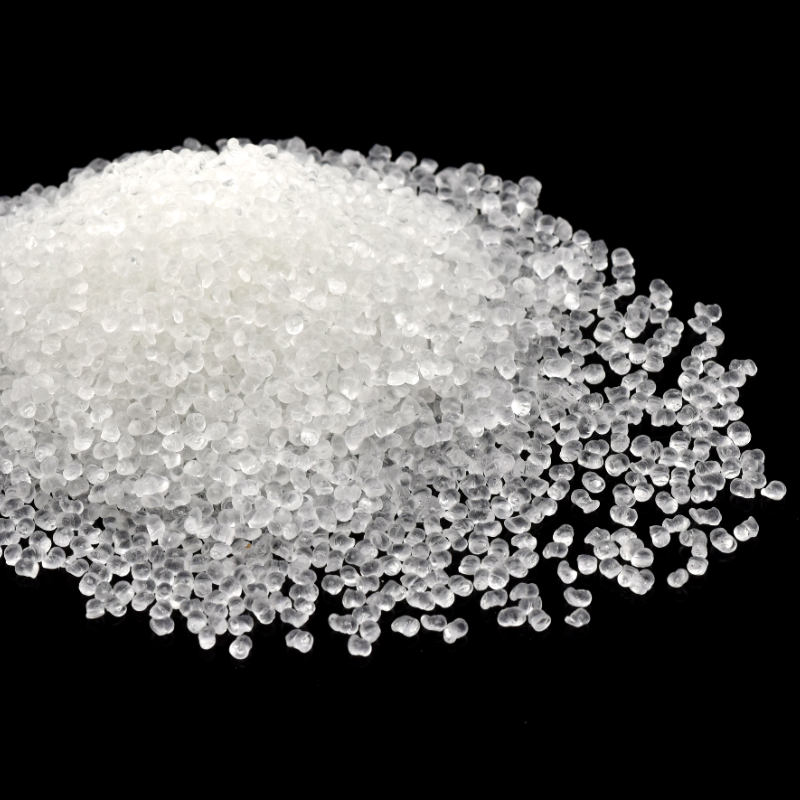
Cyclic olefin copolymers (COC) are a family of amorphous, high-performance thermoplastics made by copolymerizing cyclic olefins, most commonly norbornene-type monomers, with linear olefins such as ethylene. They occupy a distinct position in the polyolefin landscape: chemically related to polyethylene and polypropylene, but engineered for far greater optical clarity, lower moisture uptake, higher heat resistance, and better dimensional stability.
COC is comparatively young versus commodity resins, yet it has become strategically important in medical, pharmaceutical, optical, microfluidic, electronics, and high-barrier packaging applications. Its property profile can be tuned across a wide range by adjusting comonomer type and content, molecular weight, and catalyst system, which makes it attractive for applications that require a balance of transparency, rigidity, barrier performance, processability, and purity.
Commercially, COC is supplied under major brands such as TOPAS and APEL, and it is produced by a limited number of specialized manufacturers with strong positions in optics- and healthcare-grade materials. The material’s future is tied to three overlapping themes: substitution of glass and higher-absorbing plastics in sensitive applications, growth in microfluidics and diagnostic devices, and continued innovation in recyclable, lower-carbon, and higher-toughness grades.
History and Development
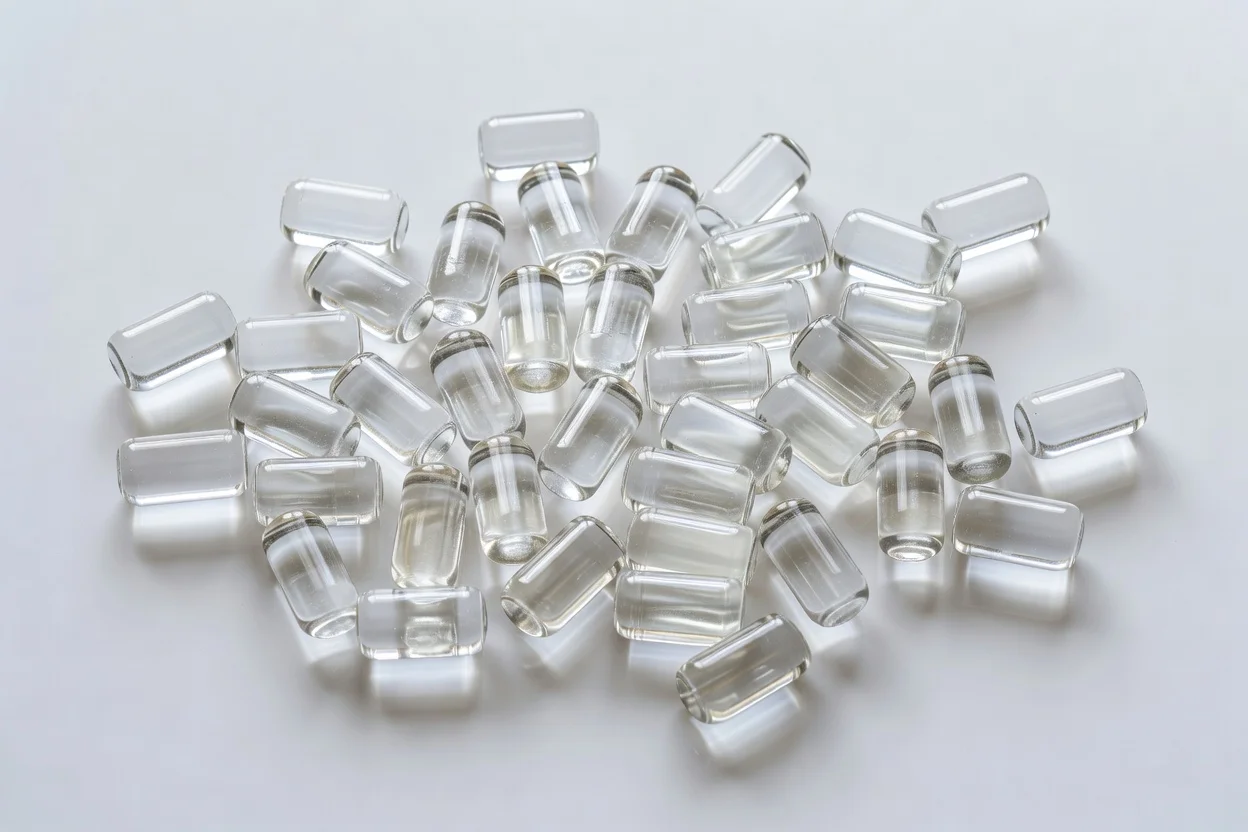
COC emerged as part of the broader development of metallocene-catalyzed polyolefins, which enabled much tighter control over polymer architecture than conventional Ziegler-Natta systems. The key advance was the ability to incorporate rigid cyclic monomers into an otherwise olefinic backbone while retaining thermoplastic processability.
Early commercial adoption was driven by applications that valued optical and purity advantages more than low cost, especially medical diagnostics, lens materials, and display components. As processing knowledge improved, COC moved into packaging, lab consumables, and microfluidics, where low water absorption, low autofluorescence, and chemical resistance became decisive benefits.
Chemical Structure and Key Properties
COC consists of a random or controlled copolymer structure containing cyclic olefin units and linear olefin units, typically with an amorphous morphology. The rigid cyclic segments raise stiffness and glass transition temperature, while the olefinic segments preserve melt processability and allow property tuning across grades.
Key property profile
| Property | Typical significance for COC |
|---|---|
| Transparency | High light transmission and low haze, useful in optics, diagnostics, and display films. |
| Low moisture absorption | Improves dimensional stability and preserves optical and barrier performance in humid environments. |
| Water vapor barrier | Supports pharmaceutical and moisture-sensitive packaging. |
| Rigidity and hardness | Enables thin-wall parts, precision housings, and microfluidic structures. |
| Low birefringence | Important for lenses, waveguides, and optical films. |
| Chemical resistance | Useful against acids, bases, and many polar chemicals. |
| Electrical insulation | Supports electronics, substrates, and high-frequency components. |
| Processability | Good flow and low shrinkage aid injection molding, extrusion, and thermoforming. |
Real limitations and practical workarounds
- Poor impact toughness in some grades → the rigid amorphous structure can produce brittleness → workaround: blend with tougher olefinic modifiers, adjust comonomer content, or use multilayer structures with impact-resistant skins.
- Limited oxygen barrier compared with dedicated barrier polymers → COC is excellent for water vapor but is not a universal gas-barrier resin → workaround: combine with barrier coatings, multilayer laminates, or functional thin films where oxygen protection is critical.
- Lower surface energy before treatment → adhesion, printing, and bonding can be difficult on untreated COC surfaces → workaround: apply corona, plasma, chemical activation, or primer systems to improve wetting and surface anchorage.
- Relatively high material cost versus commodity polyolefins → limits use in price-sensitive mass-market goods → workaround: reserve COC for high-value applications where clarity, purity, or barrier performance justifies the cost.
A useful molecular-level example is the increase in cyclic monomer content, which generally raises rigidity and heat resistance but can reduce ductility; in practice, this tradeoff is managed by selecting a grade with the required balance rather than maximizing any single property.
Production Processes and Raw Feedstocks
COC is produced through coordination polymerization, typically using metallocene catalysts, from cyclic olefin monomers and linear alpha-olefins such as ethylene. Norbornene and related bicyclic monomers are the most frequently cited cyclic feedstocks in commercial and technical literature.
Main production features
- Feedstocks: ethylene plus cyclic olefins, especially norbornene derivatives.
- Catalysis: metallocene or related coordination catalysts that allow tight control of comonomer incorporation and molecular architecture.
- Polymerization outcome: an amorphous copolymer with tunable Tg, rigidity, and transparency.
The key industrial advantage of this route is property design during polymerization rather than heavy post-compounding. This is one reason COC grades can be tailored for very different end uses, from blister packaging film to optical lenses and microfluidic chips.
Applications and End-Use Markets
COC is used where conventional commodity resins do not deliver enough clarity, purity, barrier performance, or dimensional stability.
| Application sector | Typical grade or property emphasis | Common processing route |
|---|---|---|
| Medical and pharmaceutical packaging | High-purity, low-extractables, moisture-barrier grades | Injection molding, thermoforming, blow molding, extrusion film. |
| Diagnostics and microfluidics | Low autofluorescence, optical clarity, surface stability | Injection molding, embossing, bonding. |
| Optics and displays | Low birefringence, high transparency, dimensional stability | Injection molding, film extrusion. |
| Packaging films and blisters | Barrier and clarity grades | Extrusion and thermoforming. |
| Electronics and electrical | High dielectric strength, low moisture uptake | Injection molding, precision parts. |
| Automotive and consumer parts | Stiffer modified grades for housings and trim | Injection molding, sometimes blending. |
Major application areas
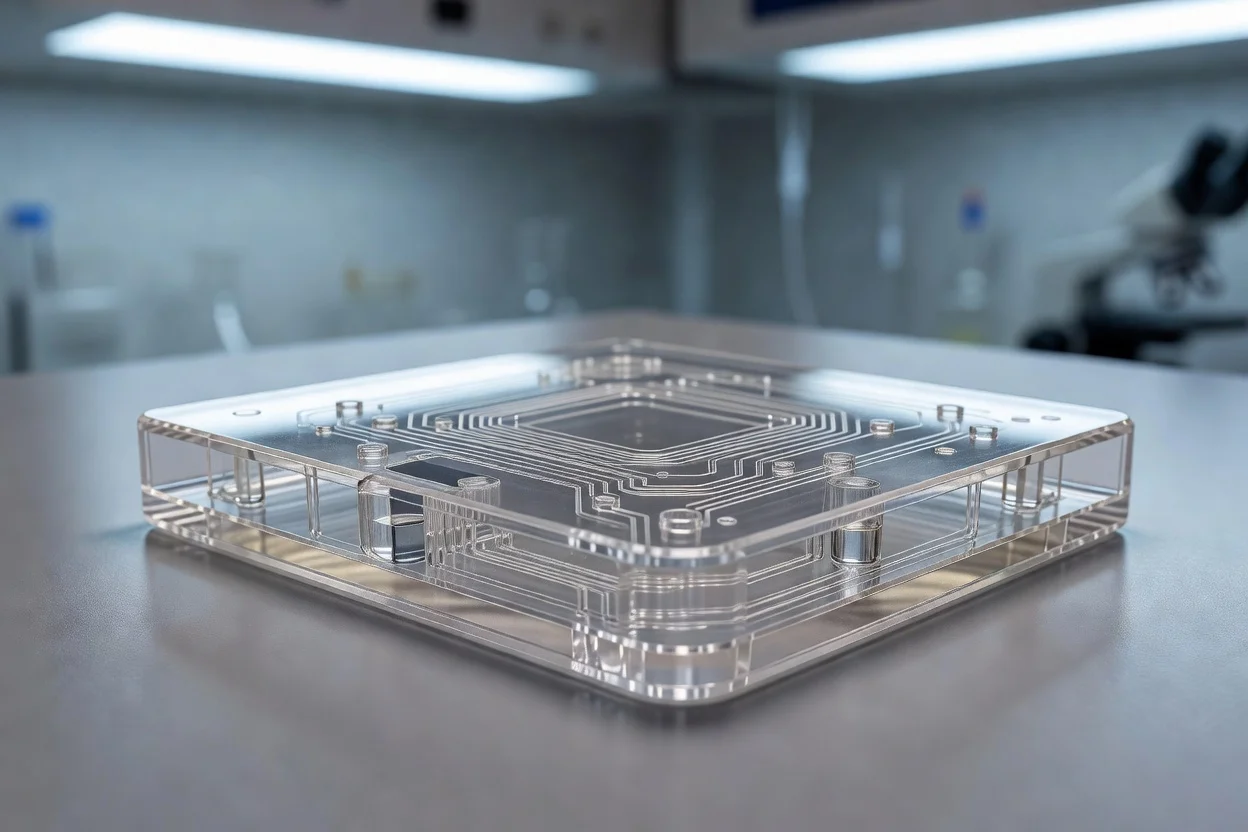
- Medical devices and diagnostics: syringes, vials, cuvettes, microtiter plates, lab-on-chip platforms, specimen carriers, and reagent containers benefit from purity, low autofluorescence, and dimensional control.
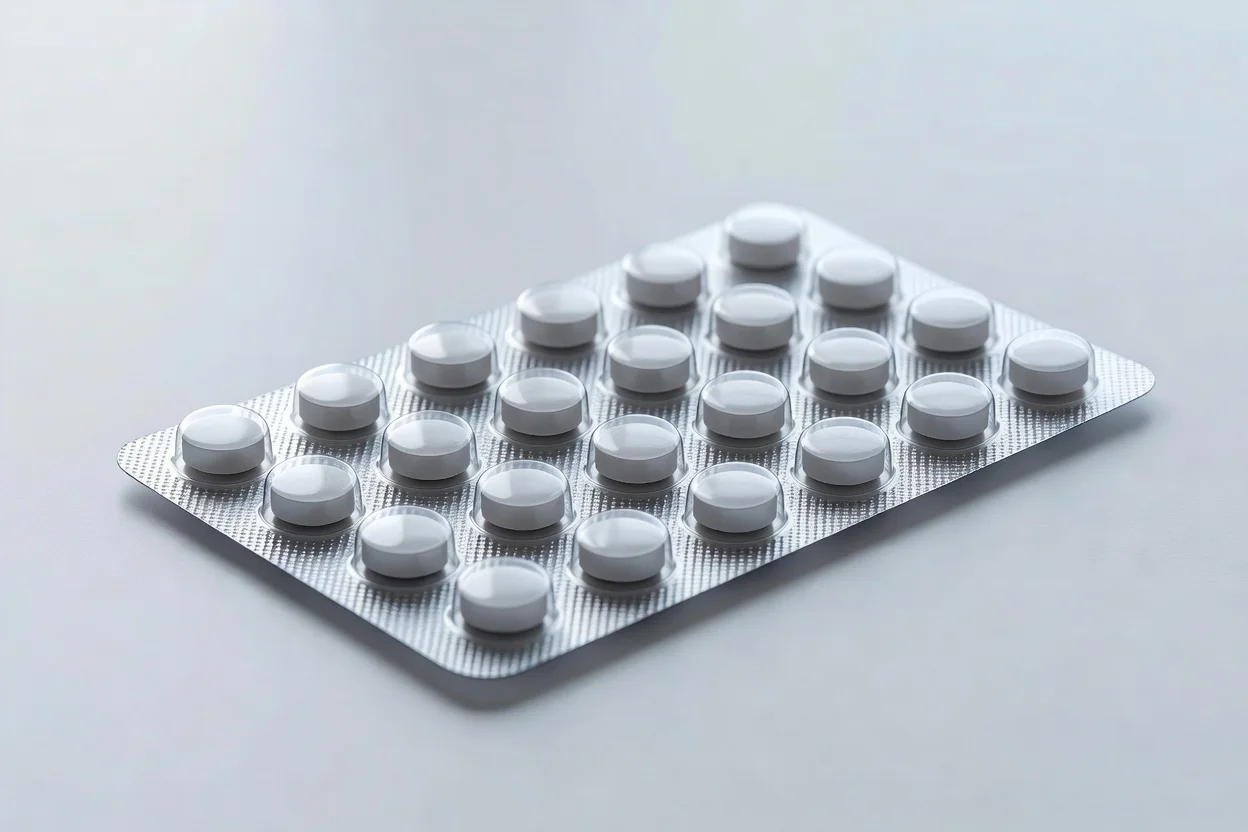
- Pharmaceutical packaging: COC is used in blister packs, drug containers, and pre-filled syringe components where moisture sensitivity and visual inspection are important.
- Optics and photonics: lenses, light guides, prisms, display films, and optical films use COC for low birefringence and transparency.
- Electronics: dielectric films, high-frequency connectors, and insulating components exploit low water uptake and electrical insulation.
- A poor-fit use: low-cost, thick-section structural parts are generally a weak fit because COC is more expensive than commodity polymers and its toughness is not its strongest attribute without modification.
Environmental and Sustainability Aspects
COC is a thermoplastic, so it is in principle recyclable through mechanical routes when streams are sufficiently clean and sorted, but practical recycling is constrained by low volumes, specialty-use dispersion, and limited collection infrastructure for medical and precision products.
Its sustainability profile is mixed:
- Positive aspects: lower density than many engineering plastics, potential for downgauging in packaging, and substitution of glass in some medical uses, which can reduce breakage and transport mass.
- Challenges: dependence on fossil-derived olefin feedstocks, relatively high production complexity, and limited post-consumer recycling loops in the highest-value applications.
- Bio-based alternatives: the broader cyclic olefin family has attracted research into bio-derived or partially bio-based feedstocks, but commercial scale remains limited compared with petrochemical routes.
- Circularity potential: multilayer packaging designs, design-for-disassembly in devices, and take-back systems for medical plastics are among the more realistic pathways for improving end-of-life performance.
For packaging, COC is often evaluated not only on end-of-life recyclability but also on functional efficiency: if a thinner COC structure reduces material use or replaces a heavier glass component, the life-cycle picture may improve even when polymer recycling is imperfect.
Economic and Global Market Impact
COC occupies a specialty resin segment rather than a bulk commodity market. Demand is concentrated in high-value sectors where technical performance outweighs raw-material cost, especially healthcare, diagnostics, optical components, and high-barrier packaging.
The industry is relatively concentrated, with major global brands including TOPAS Advanced Polymers and Mitsui’s APEL line, both widely cited in technical literature as leading commercial families. These suppliers are influential not only because of scale but because COC performance depends heavily on catalyst design, comonomer control, and application-specific grade development.
Market growth is supported by:
- increasing use of microfluidic and point-of-care diagnostic platforms,
- continued pharmaceutical demand for high-purity packaging,
- substitution of glass or higher-moisture plastics in selected medical formats,
- and demand for optically clear, low-birefringence polymer components.
Price sensitivity remains a structural constraint, so COC adoption is strongest where failure costs, contamination risk, or optical precision are high.
Current Challenges and Innovations
Main challenges
- Brittleness in some formulations: limits impact-heavy uses unless modified.
- Oxygen barrier limitations: requires multilayer design for sensitive foods or pharmaceuticals.
- Surface treatment persistence: bonding and printing can still require activation for reliable adhesion.
- Recycling complexity: specialty applications create dispersed, low-volume waste streams.
Active innovation themes
- Toughened blends and composites: used to improve impact performance without sacrificing too much clarity.
- Higher-molecular-weight and quasi-living polymerization strategies: designed to improve toughness and wear resistance while maintaining optical quality.
- Functional microstructures for diagnostics: exploit low autofluorescence, biocompatibility, and chemical stability in lab-on-chip devices.
- Multilayer packaging architectures: combine COC with barrier and seal layers to broaden its packaging role.
One concrete formulation pattern seen in the broader plastics industry is a low-loading surface modification or additive strategy rather than bulk alteration; for example, plasma activation or a thin primer layer can significantly improve bonding performance without compromising the optical bulk of the COC part.
Future Outlook
COC is likely to remain a premium material whose growth is linked to precision, cleanliness, and function rather than volume. The strongest long-term opportunities are in diagnostics, advanced packaging, optical components, and specialized electronic or microfluidic devices.
Future progress will probably depend on four developments:
- better toughness without losing transparency,
- more efficient and lower-carbon polymerization routes,
- improved recyclability and circular collection models,
- and continued grade specialization for healthcare, optics, and electronics.
As manufacturing trends move toward miniaturization, data-rich diagnostics, and tighter packaging performance, COC is well positioned as a bridge material between commodity polyolefins and higher-cost specialty engineering plastics.
Summary
Cyclic olefin copolymers are amorphous, tunable, high-performance thermoplastics that combine optical clarity, low moisture absorption, rigidity, and good chemical resistance. Their most important markets are medical, pharmaceutical, optical, microfluidic, and barrier packaging applications, while their main limitations are cost, toughness in some grades, and incomplete circularity.
References
- •
Cyclic olefin copolymer. (2007, May 29). Wikipedia. https://en.wikipedia.org/wiki/Cyclic_olefin_copolymerLink
- •
Cyclic olefin copolymer (COC). (n.d.). https://www-eng.lbl.gov/~shuman/NEXT/CURRENT_DESIGN/TP/FO/COC_topas_product-brochure_english.pdfLink
- •
Cyclic olefin copolymer: Advanced material properties, synthesis.... (n.d.). https://eureka.patsnap.com/materials/cyclic-olefin-copolymerLink
- •
mr-I T85 series: Cyclic olefin copolymer (COC) formulation for the.... (n.d.). https://www.microresist.de/?jet_download=4237c1d6e564cc9ed8d3fad73c78e7f6624ca810Link
- •
A review of cyclic olefin copolymer applications in microfluidics and microdevices. (n.d.). Wiley. https://onlinelibrary.wiley.com/doi/full/10.1002/mame.202200053Link
- •
COC (cyclic olefin copolymer) — Composition, properties & equivalents. (2026, April 16). https://www.materialref.com/materials/cocLink
- •
Cyclic olefin copolymers (COCs) are engi.... (n.d.). http://elite-plastic.com.tw/COC-1.pdfLink
- •
Cyclic olefin copolymer moisture resistant. (n.d.). Patsnap Eureka. https://eureka.patsnap.com/materials/coc-moisture-resistantLink
- •
Characterization of activated cyclic olefin copolymer. (2016, November 28). PMC. https://pmc.ncbi.nlm.nih.gov/articles/PMC5354357/Link
- •
6.1 Bio-related applications. (2022, August 1). Wiley. https://onlinelibrary.wiley.com/doi/10.1002/mame.202200053Link
- •
Cyclic olefin copolymers. (n.d.). مجله علوم و تکنولوژی پلیمر. http://jips.ippi.ac.ir/mobile/article_2041_e0a8068840478ca5f6e68ec19f419bfa.pdfLink
- •
Cyclic olefin copolymer (COC). (2018, August 2). MakeItFrom. https://www.makeitfrom.com/material-properties/Cyclic-Olefin-Copolymer-COCLink
- •
Cyclic olefin copolymers. (n.d.). مجله علوم و تکنولوژی پلیمر. http://jips.ippi.ac.ir/article_2041_0f6a1d399b777b6fd1c81da366314da4.pdfLink
- •
Cyclic olefin copolymer water resistant properties. (n.d.). Patsnap Eureka. https://eureka.patsnap.com/materials/coc-water-resistant-propertiesLink
- •
Cyclic olefin copolymer chemical resistant. (n.d.). PatSnap Eureka. https://eureka.patsnap.com/materials/coc-chemical-resistantLink
- •
Cyclic olefin copolymer thermal stability. (n.d.). Patsnap Eureka. https://eureka.patsnap.com/materials/coc-thermal-stabilityLink
- •
Cycloolefin copolymers and polymers (COC/COP). (n.d.). https://res.cloudinary.com/sternwald-systems/raw/upload/v1/hugoprd/ARTIKEL_ATTACH/00242CC5_C4175BB78DD4/8e764cd9d5a23776ab38861bbf161a24c8c96215/PE_2004_10_New-Material-with-Potential-Cycloolefin-Copolymer-COC.pdfLink
- •
Cyclic olefin copolymer. (n.d.). Chemeurope. https://www.chemeurope.com/en/encyclopedia/Cyclic_Olefin_Copolymer.htmlLink
- •
Cyclic olefin copolymer industrial applications: Advanced material.... (n.d.). Patsnap Eureka. https://eureka.patsnap.com/materials/cyclic-olefin-copolymer-applicationsLink
- •
Ultra-high-molecular weight cyclic olefin copolymers with excellent all-round performance prepared via highly effective quasi-living copolymerization. (2024, August 15). ScienceDirect. https://www.sciencedirect.com/science/article/abs/pii/S1385894724047442Link
- •
Cycloolefin polymer – TOPAS. (n.d.). TOPAS. https://topas.com/cycloolefin-polymer/Link
- •
Cyclic olefin copolymer blend: Advanced material.... (n.d.). Patsnap Eureka. https://eureka.patsnap.com/materials/cyclic-olefin-copolymer-blendLink
- •
Cyclic olefin polymer. (2008, October 13). Wikipedia. https://en.wikipedia.org/wiki/Cyclic_olefin_polymerLink
- •
Medical plastics 101: Cyclic olefin copolymer. (2024, July 11). PlasticsToday. https://www.plasticstoday.com/medical/medical-plastics-101-cyclic-olefin-copolymer-fulfills-complex-medtech-performance-requirementsLink
- •
Chemically resistant and tough cyclic olefin copolymer compounds. (2016, April 8). Google Patents. https://patents.google.com/patent/US20180072878A1/enLink
- •
Cyclic olefin copolymer (COC) - TOPAS® COC resin. (2026, July 28). PolySource. https://polysource.net/expanding-our-reach-with-topas-coc/Link
- •
Cyclic olefin polymer composite: Advanced material engineering.... (n.d.). Patsnap Eureka. https://eureka.patsnap.com/materials/cyclic-olefin-polymer-compositeLink
- •
Cyclic olefin polymer: Comprehensive analysis of molecular.... (n.d.). Patsnap Eureka. https://eureka.patsnap.com/materials/cyclic-olefin-polymer-analysisLink