

Introduction
Ethylene tetrafluoroethylene (ETFE) is a melt-processable fluoropolymer copolymer valued for its unusual combination of high chemical resistance, broad temperature service range, strong mechanical toughness, excellent electrical insulation, and high optical transparency. It occupies a distinctive position among fluoroplastics because it is easier to process than PTFE while retaining much of the chemical, thermal, and weathering performance that makes fluoropolymers attractive for demanding industrial, electrical, and architectural uses.
ETFE was developed as part of the broader evolution of fluoropolymer materials for corrosion-resistant and high-performance applications, and its commercial success has been especially visible in wire and cable insulation, chemical process components, tubing, architectural films, and protective barriers for solar and greenhouse systems. More recent interest has focused on its use in lightweight envelope systems, high-purity semiconductor equipment, and aggressive-service linings, where long service life and low maintenance can offset its higher material cost.
From a sustainability perspective, ETFE presents a mixed profile: its long lifetime, low mass, and capacity to reduce replacement frequency are significant advantages, but it remains a fluorinated polymer derived from petrochemical feedstocks and is not widely recycled in mainstream municipal systems. Current innovation is therefore concentrated on longer-life designs, improved fabrication efficiency, selective recycling or reprocessing pathways, and applications where ETFE can deliver exceptional durability with minimal material input.
History and Development
ETFE emerged from fluoropolymer research aimed at combining the inertness of tetrafluoroethylene-based materials with the processability and toughness associated with ethylene-containing copolymers. Its development reflected a broader industry shift from difficult-to-process, highly crystalline fluoropolymers toward materials that could be extruded, welded, thermoformed, and fabricated into films, tubing, and complex parts.
Commercial adoption accelerated as industries recognized that ETFE could serve in corrosive, electrically demanding, and weather-exposed environments where conventional engineering plastics failed. Architectural applications later brought ETFE into public view, particularly in roofs, façades, and cushions that rely on its transparency, low weight, and weather resistance.
Chemical Structure and Key Properties
ETFE is a copolymer of ethylene and tetrafluoroethylene, typically described as a fluorinated thermoplastic with alternating or irregular sequences depending on grade and synthesis conditions. The ethylene units improve toughness and melt processability, while the tetrafluoroethylene units provide the fluoropolymer characteristics of chemical inertness, low surface energy, and thermal stability.
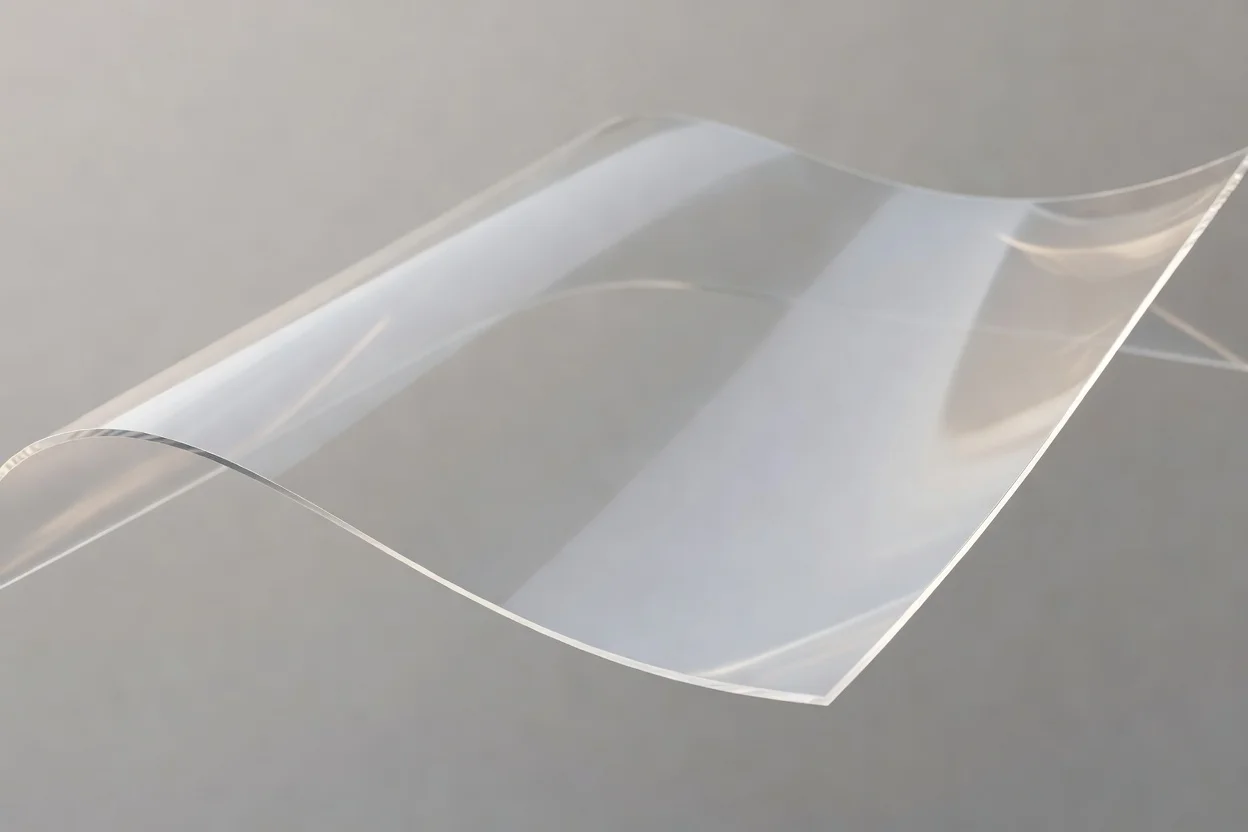
Typical property ranges reported for commercial grades include tensile strength around 40 to 55 MPa, elongation at break often in the 200 to 400 percent range, density near 1.7 to 1.76 g/cm³, and continuous service temperature commonly cited up to about 150 °C, with short-term tolerance above that depending on grade and application. ETFE also has low moisture uptake, excellent dielectric behavior, and strong resistance to UV exposure and weathering.
Key advantages
- Chemical resistance: excellent resistance to many acids, bases, solvents, and oxidizing environments.
- Thermal range: useful from cryogenic temperatures to approximately 150 °C in continuous service, with some sources citing broader working ranges depending on grade.
- Mechanical toughness: high tensile strength and elongation give it better impact and flex performance than many fluoropolymers.
- Electrical performance: low dielectric constant and excellent insulation behavior support wire and cable use.
- Weatherability: strong UV and aging resistance make it suitable for long-life outdoor exposure.
Real limitations and workarounds
- Poor gas-barrier performance for oxygen and aromatic solvents → caused by its fluoropolymer structure and morphology, which do not provide the very low permeability required in some packaging or barrier tanks → workaround: use multilayer structures, coextrusion with barrier layers, fluoropolymer liners, or avoid ETFE in applications that demand ultra-high barrier performance.
- Low surface energy and difficult adhesion before treatment → caused by the chemically inert fluorinated surface → workaround: surface activation such as corona, plasma, chemical etching, or mechanical anchoring before bonding, printing, or coating.
- Higher material cost than commodity plastics → caused by specialized monomers, fluorination chemistry, and controlled polymerization → workaround: use ETFE only where long service life, reduced downtime, or aggressive-service resistance justifies the premium.
Production Processes and Raw Feedstocks
ETFE is produced by copolymerizing ethylene with tetrafluoroethylene under controlled conditions, often in aqueous suspension or emulsion-type processes used for fluoropolymers. The synthesis requires careful control of monomer feed ratio, pressure, temperature, and molecular-weight distribution to balance processability, toughness, and chemical resistance.
In practical manufacturing, resin is then melt processed into films, sheets, tubing, insulation, and molded components by extrusion, sheet casting, calendaring, thermoforming, or specialized coating techniques. Unlike PTFE, ETFE can be melt extruded, which is a major reason it became important in films and cable jacketing.
Raw feedstocks are primarily petrochemical-derived fluorinated intermediates and ethylene, with tetrafluoroethylene generated through fluorochemical production chains that are capital-intensive and energy-demanding. This upstream structure helps explain both ETFE’s performance advantages and its high cost relative to commodity polymers.
Leading producers and market position
The ETFE supply base is relatively concentrated compared with commodity plastics, with fluoropolymer specialists and integrated fluorochemical companies leading production and compounding. Publicly visible suppliers and fabricators in the market ecosystem include fluoropolymer specialists such as Zeus, RTP Company, Fluorotherm, and other regional resin and fabrication suppliers, while large fluorochemical groups globally influence the upstream monomer and resin landscape.
Applications and End-Use Markets
ETFE is chosen when designers need a combination of chemical resistance, electrical performance, mechanical toughness, and weather durability that is difficult to match with conventional polymers.
| End-use sector | Typical ETFE form | Usual reason for selection |
|---|---|---|
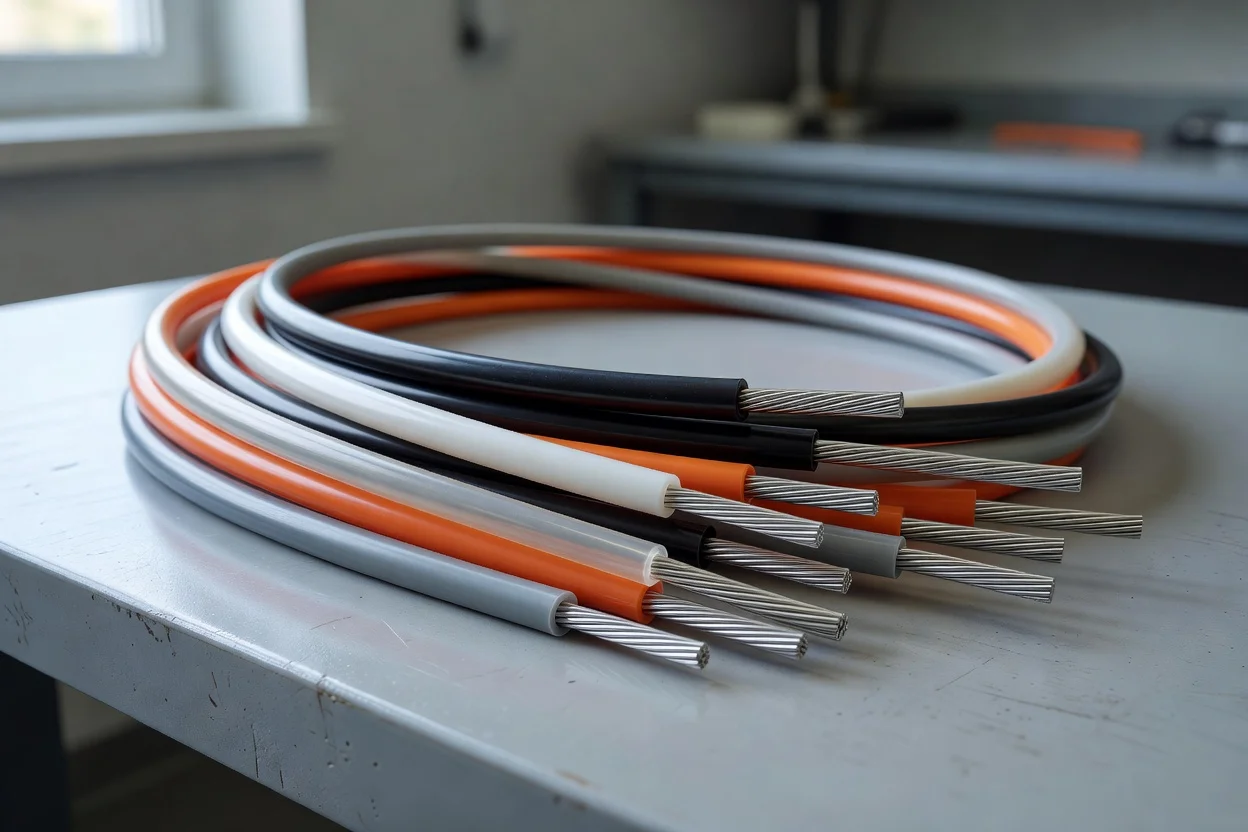
| Wire and cable | Insulation, jacketing, sleeving | High dielectric strength, flame resistance, heat resistance, radiation resistance. |
| Chemical processing | Linings, tubing, valve parts, pump components | Corrosion resistance and long service life in aggressive media. |
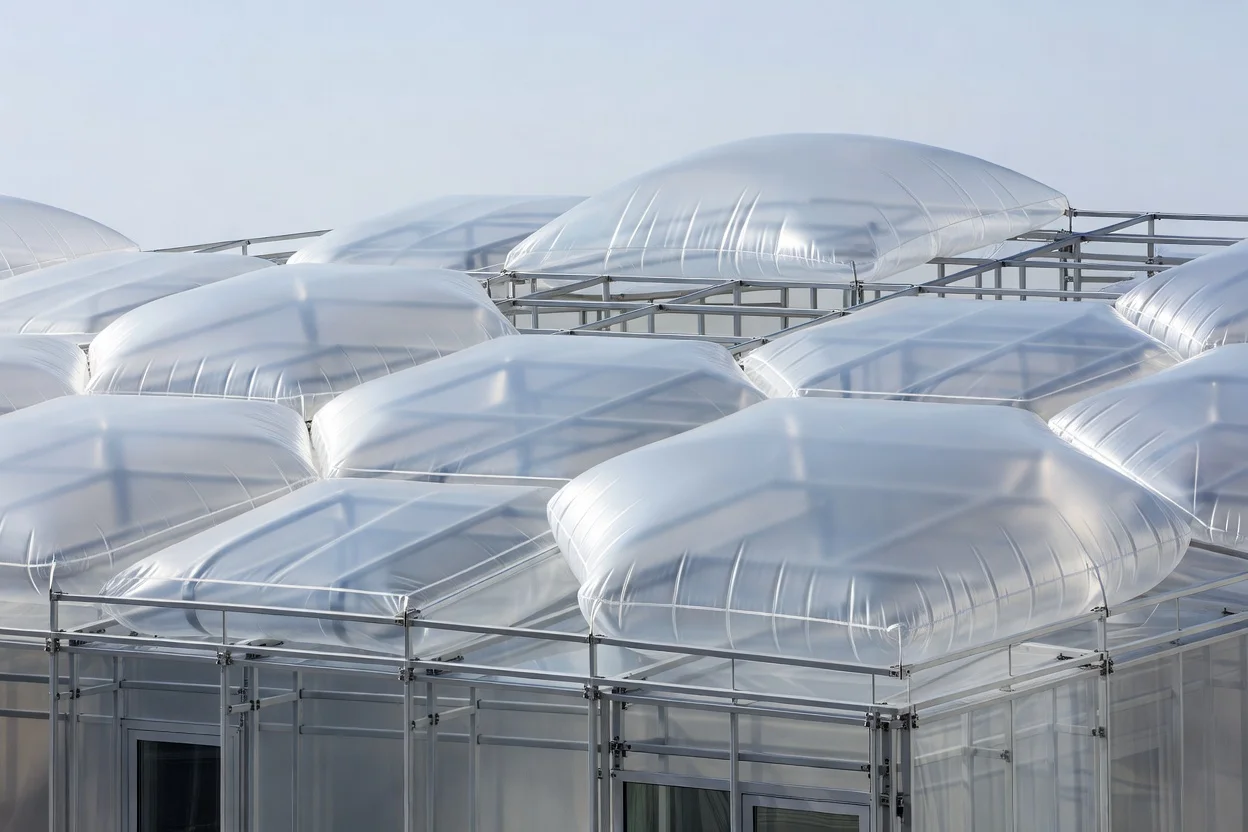
| Architecture and construction | Film, cushion systems, façade membranes | Transparency, low weight, UV resistance, self-cleaning behavior, and durability. |
| Solar and renewable energy | Protective superstrates and covers | High light transmission, weather resistance, and low mass. |
| Semiconductor and high-purity fluid handling | Tubing, wetted components | Purity, chemical resistance, and dimensional stability. |
| Medical and laboratory | Tubes, vessels, analyzer parts | Sterilizability, chemical resistance, and toughness. |
| Automotive and aerospace | Seals, hoses, wire coatings, fuel-related components | Thermal stability, chemical resistance, and abrasion performance. |
Typical grade-and-process fit
- Film and sheet: architectural cushions, greenhouse membranes, and solar covers typically use extrusion-cast or calendered film grades.
- Wire and cable: electrically demanding cables use fine-gauge extrusion grades, sometimes radiation cross-linked for enhanced heat resistance.
- Tubing: process, medical, and semiconductor tubing uses extrusion grades formulated for dimensional stability and purity.
- Lined components: pipes, fittings, valves, and vessels often use ETFE as a liner or protective coating rather than as a structural bulk polymer.
- Molded parts: technical parts such as connectors, seals, and components use injection or compression-moldable ETFE grades where geometry and performance justify the cost.
One poor-fit use
- Conventional high-barrier food packaging is generally a poor fit, because ETFE is not primarily selected for oxygen-barrier performance and is too costly for ordinary disposable packaging formats.
Environmental and Sustainability Aspects
ETFE is not biodegradable, and its fluorinated chemistry complicates end-of-life management compared with commodity polyolefins. In most markets, recycling routes are limited, fragmented, or focused on industrial scrap rather than post-consumer waste streams.
At the same time, ETFE can contribute to resource efficiency by extending service life in harsh environments, reducing repainting, replacement, corrosion losses, and maintenance frequency. In architecture, its very low mass relative to glass can reduce structural steel requirements and simplify transport and installation.
Key sustainability considerations include:
- Recyclability: technically possible for clean industrial scrap in some cases, but collection and reprocessing infrastructure is limited.
- Bio-based alternatives: there are no widely established bio-based ETFE substitutes with comparable performance in the same applications.
- Carbon footprint: upstream fluorochemical manufacture is energy intensive, so the lifecycle case depends strongly on long service life and avoided replacement cycles.
- Design for longevity: the most credible sustainability strategy is often to deploy ETFE where its durability prevents premature failure.
Economic and Global Market Impact
ETFE occupies the high-value specialty segment of the plastics market, where price is driven more by performance and supply chain complexity than by volume. Its cost structure reflects fluorochemical feedstocks, controlled polymerization, demanding quality specifications, and specialized fabrication equipment.
Demand is strongest in sectors that value reliability under harsh conditions: architecture, electrical insulation, chemical processing, and high-purity fluid systems. Architectural demand, although smaller in tonnage than cable or industrial uses, has had outsized visibility because ETFE enabled transparent, lightweight envelope concepts that were previously impractical.
Current Challenges and Innovations
Current challenges are concentrated in four areas:
- Cost pressure: ETFE remains expensive relative to commodity engineering plastics.
- End-of-life management: recycling pathways are limited and mostly specialized.
- Bonding and surface treatment: adhesion usually requires pretreatment or mechanical design solutions.
- Performance boundaries: ETFE is highly capable, but it is not universal; some applications still require better barrier properties, higher temperature resistance, or lower permeability.
Active innovation includes:
- Cross-linked electrical grades that extend continuous service temperature in wire applications.
- Multilayer film systems that combine ETFE with other materials to tune optical, thermal, or barrier behavior.
- Reinforced linings and coatings for alkaline and electrochemical systems, including emerging hydrogen-related equipment.
- High-purity formulations for semiconductor and medical uses where extractables and contamination control are critical.
Future Outlook
ETFE is likely to remain a niche but strategically important fluoropolymer rather than a high-volume general-purpose resin. Its strongest future opportunities lie in long-life infrastructure, electrification, semiconductor manufacturing, renewable energy, and chemically aggressive process environments where failure costs are high and material efficiency matters more than low unit price.
The material’s long-term competitiveness will depend on whether producers can improve sustainability credentials, expand recycling options for industrial scrap, and continue reducing fabrication losses while preserving the performance profile that distinguishes ETFE from other plastics. In practical terms, ETFE is most likely to grow where designers value lightweight durability and chemical reliability over commodity cost.
Summary
ETFE is a high-performance fluoropolymer that combines chemical inertness, thermal stability, electrical insulation, weather resistance, and melt processability in a way that makes it especially valuable for wire and cable, architectural film, chemical processing, and high-purity industrial applications. Its main constraints are cost, limited recycling infrastructure, and lower suitability for applications requiring exceptional barrier performance or easy adhesion, but in the right use cases it delivers a rare balance of durability, processability, and design flexibility.
References
- •
ETFE. (2005, September 1). Wikipedia. https://en.wikipedia.org/wiki/ETFELink
- •
ETFE resin supplier & manufacturer. (2025, August 17). Peflon. https://peflon.com/etfe-resin/Link
- •
Ethylene tetrafluoroethylene (ETFE): How to select the right grade? (2025, July 8). SpecialChem. https://www.specialchem.com/plastics/guide/ethylene-tetrafluoroethylene-etfe-plasticLink
- •
ETFE properties. (2017, February 13). Fluorotherm. https://www.fluorotherm.com/technical-information/materials-overview/etfe-properties/Link
- •
What is ethylene tetrafluoroethylene? (ETFE). (2016, August 15). Fluorocarbon. https://fluorocarbon.co.uk/resources/blog/what-is-ethylene-tetrafluoroethylene-etfe/Link
- •
Ethylene–tetrafluoroethylene copolymer: An overview. (n.d.). ScienceDirect. https://www.sciencedirect.com/topics/engineering/ethylenetetrafluoroethylene-copolymerLink
- •
Applications of ETFE. (n.d.). Omnexus. https://omnexus.specialchem.com/selection-guide/ethylene-tetrafluoroethylene-etfe-plastic/key-applicationsLink
- •
ETFE properties. (2021, February 10). Tef Cap Industries. https://tefcap.com/etfe-properties-fluoropolymer-tubing/Link
- •
ETFE. (2023, December 15). Holscot. https://holscot.com/glossary/etfe/Link
- •
ETFE (ethylene tetrafluoroethylene). (n.d.). Polyfluor. https://www.polyfluor.nl/assets/files/datasheet-etfe-uk.pdfLink
- •
Ethylene tetrafluoroethylene (ETFE) material. (n.d.). http://kinampark.com/T-Polymers/files/All%20References/Lamnatou%202018,%20Ethylene%20tetrafluoroethylene%20(ETFE)%20material.pdfLink
- •
ETFE material guide. (2025, February 17). Fabritecture. https://fabritecture.com/knowledge-base/etfe/Link
- •
Ethylene tetrafluoroethylene material: Comprehensive analysis of properties and applications. (n.d.). Eureka. https://eureka.patsnap.com/materials/etfe-properties-processingLink
- •
ETFE. (n.d.). Vanéflon. https://www.vaneflon.be/en/materials/etfe/Link
- •
ETFE: Lightweight, strong, and transparent polymer. (2024, October 21). Eureka. https://eureka.patsnap.com/blog/material-tech-resources/what-is-etfe-material/Link
- •
Chemical resistance and properties of ETFE polymer. (n.d.). Eureka. https://eureka.patsnap.com/materials/etfe-polymer-propertiesLink
- •
ETFE: Ethylene-tetrafluoroethylene. (n.d.). NETZSCH. https://analyzing-testing.netzsch.com/en-US/polymers-netzsch-com/high-temperature-resistant-thermoplastics/etfe-ethylene-tetrafluoroethyleneLink
- •
Applications of ETFE plastic. (2026, June 23). Dimud. https://dimud.com/etfe-plastic/Link
- •
Ethylene tetrafluoroethylene copolymer (ETFE) for corrosion resistance. (n.d.). Eureka. https://eureka.patsnap.com/materials/etfe-corrosion-resistantLink
- •
Continuing education. (n.d.). Architectu. https://www.architectu.net/media/course/3068/story_content/external_files/HWU_ETFEArch_ADV14_Full.pdfLink
- •
Ethylene tetrafluoroethylene tubing: Comprehensive analysis of properties. (n.d.). Eureka. https://eureka.patsnap.com/materials/etfe-tubing-propertiesLink
- •
Ethylene tetrafluoroethylene (ETFE) material: Critical issues and applications. (2018, February 3). Renewable and Sustainable Energy Reviews. https://www.sciencedirect.com/science/article/abs/pii/S136403211731211XLink
- •
ETFE: Ethylene tetrafluoroethylene as superstrate. (2020, March 26). Sinovoltaics. https://sinovoltaics.com/learning-center/materials/ethylene-tetrafluoroethylene/Link
- •
Ethylene tetrafluoroethylene sheet. (n.d.). Eureka. https://eureka.patsnap.com/materials/etfe-sheet-propertiesLink
- •
ETFE vs PTFE: Key differences for material selection. (2025, October 24). Fluorotec. https://www.fluorotec.com/news/blog/etfe-vs-ptfe/Link
- •
Electrical and electronics. (2026, May 2). Symbchem. https://symbchem.com/etfe-applications-from-chemical-plants-to-space-stations/Link
- •
Ethylene tetrafluoroethylene (ETFE). (2021, September 2). RTP Company. https://www.rtpcompany.com/products/product-guide/ethylene-tetrafluoroethylene-etfe/Link
- •
ETFE fabrication and installation. (2026, June 8). ETS-NA. https://ets-na.com/resources/what-is-etfe/Link
- •
ETFE. (n.d.). Jarrett Plastics Inc. https://www.jarrettplasticsinc.com/etfe-1Link
- •
Ethylene-tetrafluoroethylene copolymer sheet and method for producing same. (2015, August 27). Google Patents. https://patents.google.com/patent/WO2016031930A1/enLink
- •
ETFE. (2013, September 5). Zeus. https://www.zeusinc.com/materials/etfe/Link
- •
Ethylene tetrafluoroethylene greenhouse film. (n.d.). Eureka. https://eureka.patsnap.com/materials/etfe-greenhouse-filmLink
- •
ETFE: High functional plastics manufacturing. (2026, March 13). High Functional Plastics. https://highfunctionalplastics.com/materials/etfe/Link
- •
에틸렌-테트라플루오로에틸렌계 공중합체 필름 및 그 제조 방법. (2017, June 30). Google Patents. https://patents.google.com/patent/KR102381501B1/koLink
- •
What is ETFE? (ethylene tetrafluoroethylene). (2022, March 25). Laird Plastics. https://lairdplastics.com/resources/what-is-etfe-ethylene-tetrafluoroethylene-/Link
- •
How ethylene tetrafluoroethylene works—in one simple flow. (2025, October 13). LinkedIn. https://www.linkedin.com/pulse/how-ethylene-tetrafluoroethylene-works-uuhfeLink