
Introduction
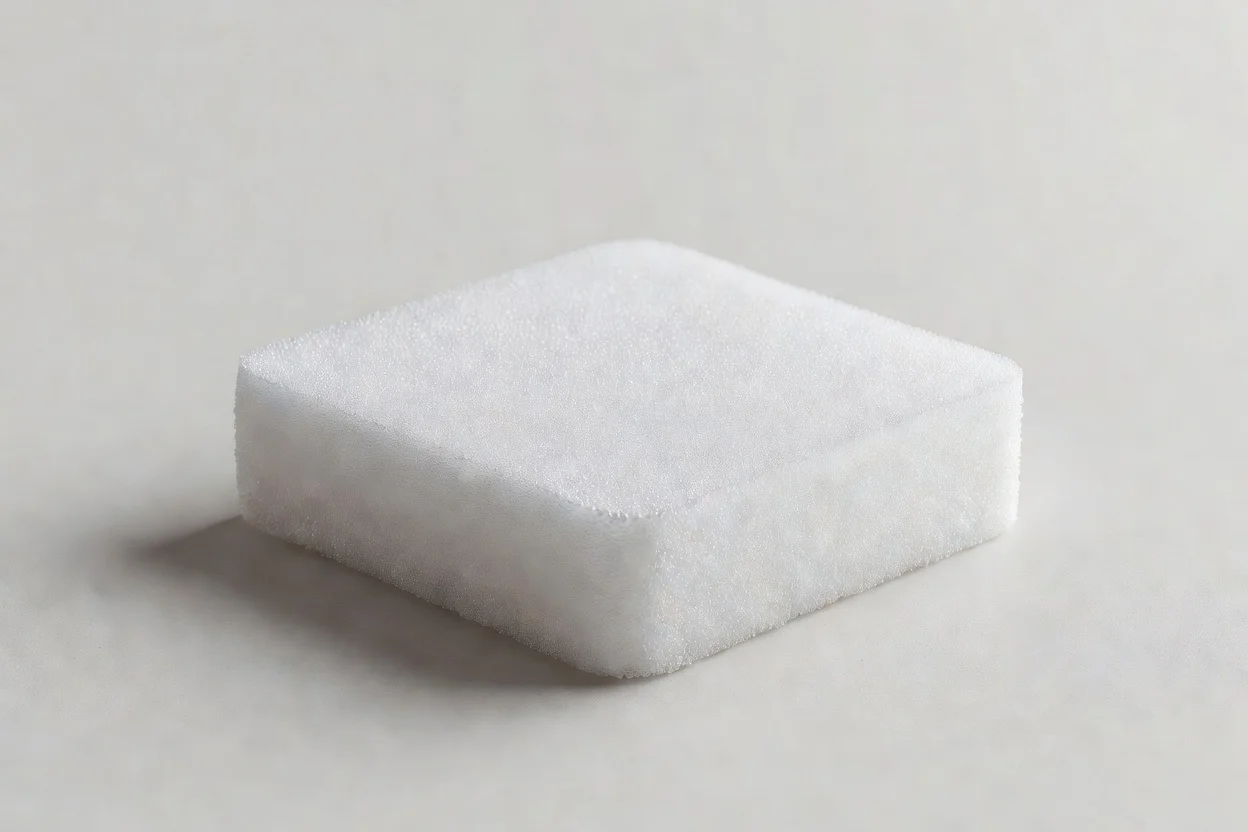
Polystyrene foams are lightweight cellular plastics made from polystyrene resin and a blowing process that introduces a high volume of gas into the material, typically leaving a structure that is mostly air. They are best known in two main forms, expanded polystyrene (EPS) and extruded polystyrene (XPS), both of which are used extensively for thermal insulation, protective packaging, and lightweight construction components.
In the plastics value chain, polystyrene foams occupy a distinctive position: they combine low density, good cushioning, and low thermal conductivity with relatively simple processing and low cost, while also facing scrutiny over waste management, litter, and recycling limitations. Their development began in the mid-20th century and was accelerated by industrial foaming technologies that enabled closed-cell insulation materials for packaging and building applications. Today, the sector includes conventional petrochemical grades, recycled-content products, flame-retarded formulations, and emerging composite and low-carbon variants aimed at improving performance and circularity.
History and Development
Polystyrene itself emerged as a commercial thermoplastic before foam grades were developed, but the major breakthrough came when processors learned to expand it into a closed-cell structure suitable for insulation and cushioning. Industrial foams based on polystyrene became widely established after process control improved enough to produce stable bead foams and continuous extruded boards with consistent cell morphology.
EPS became particularly important in packaging and building insulation because it could be molded into complex shapes and large blocks at low cost. XPS later gained a strong position in construction because its extrusion process can produce a finer and more uniform closed-cell structure, giving it higher compressive strength and lower water absorption than many bead-foam products.
Chemical Structure and Key Properties
Polystyrene foams are based on a hydrocarbon polymer backbone derived from styrene, with the foam structure created not by changing the polymer chemistry but by introducing gas cells into the resin during expansion. The resulting material is usually 95–98% air, which is the main reason for its low weight and insulation performance.
Key properties
| Property | Typical significance for PS foams |
|---|---|
| Low density | Enables lightweight packaging and insulating boards |
| Low thermal conductivity | Makes it effective for building and refrigeration insulation |
| Good energy absorption | Supports cushioning and impact protection |
| Closed-cell structure | Reduces moisture uptake and preserves insulation performance |
| Dimensional stability | Useful in molded parts and construction panels |
| Low surface energy | Limits adhesion, printing, and coating without treatment |
Practical limitations and workarounds
- Poor oxygen and grease barrier → caused by the inherently nonpolar polystyrene structure and foam porosity → work around with multilayer laminates, barrier coatings, or use in applications where barrier performance is not required.
- Low surface energy before treatment → caused by the chemically inert hydrocarbon surface → work around with corona, flame, plasma, primer systems, or mechanical interlocks for bonding and printing.
- Combustibility → caused by the hydrocarbon composition and cellular structure → work around with flame-retardant additives, protective facings, or code-compliant assemblies in construction.
- Solvent sensitivity → caused by swelling or dissolution in many organic solvents → work around with careful chemical compatibility selection and avoidance of aggressive cleaners or adhesives.
Main Types: EPS and XPS
| Type | Process route | Structure | Typical strengths | Typical limitations |
|---|---|---|---|---|
| EPS | Pre-expanded beads are fused in a mold with steam | Bead-based closed-cell foam | Good moldability, cushioning, cost efficiency | Lower compressive strength than XPS; bead interfaces can affect water uptake |
| XPS | Melt is extruded with a blowing agent | Continuous fine-cell board foam | Higher compressive strength, low water absorption, uniform insulation | Less shape flexibility; more specialized equipment |
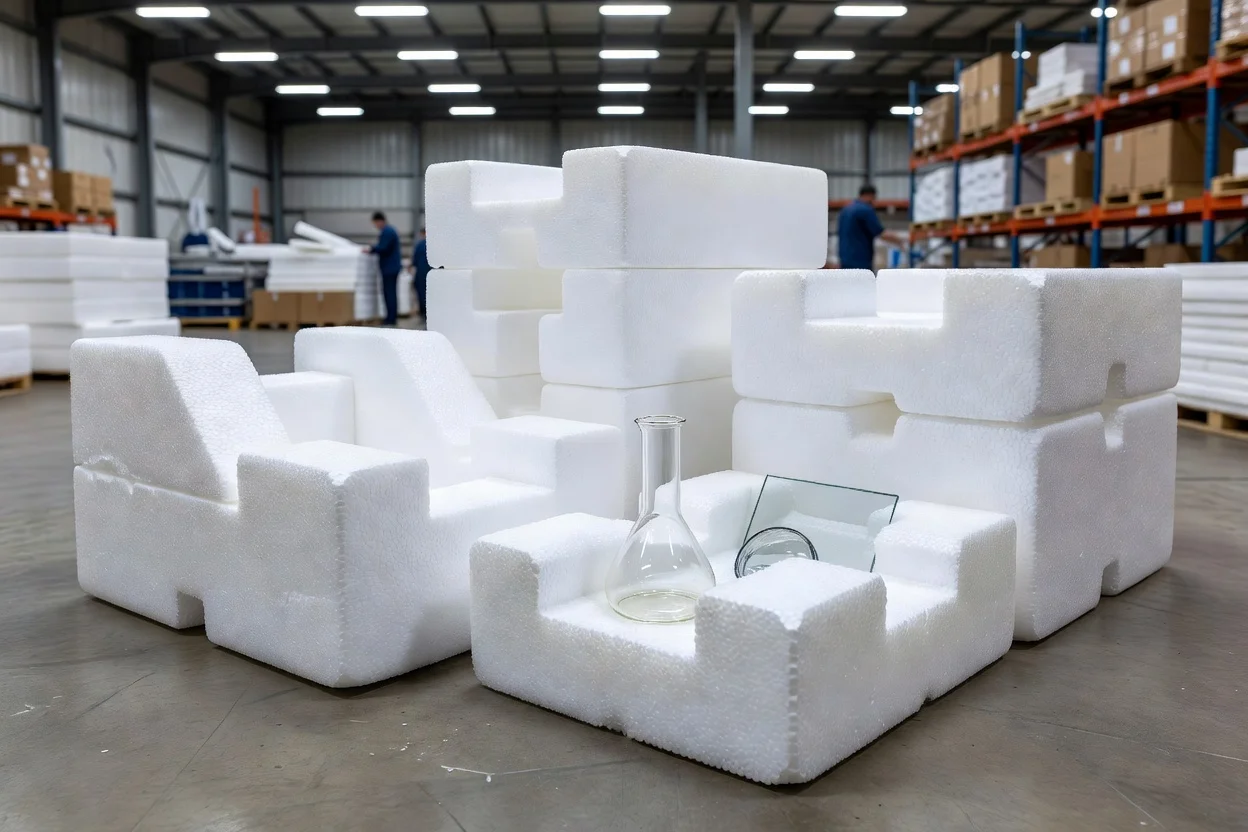
EPS is generally preferred for molded packaging, insulated containers, and many building products, while XPS is favored where higher load-bearing performance and moisture resistance are needed, such as foundation insulation and below-grade construction.
Production Processes and Raw Feedstocks
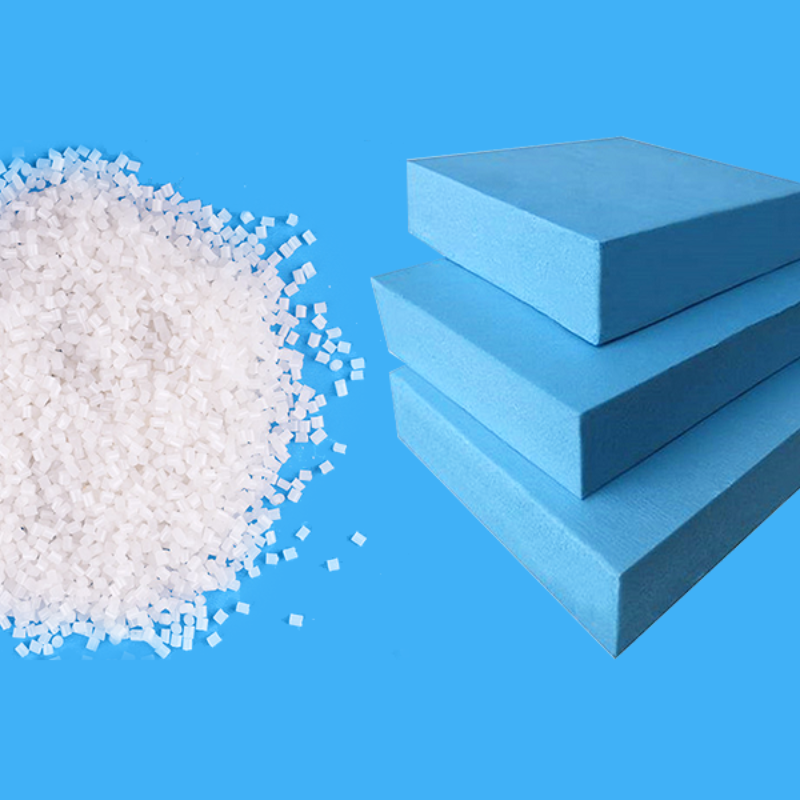
Polystyrene foam production begins with styrene-based resin, usually made from petrochemical feedstocks through the broader aromatic supply chain. The foam can then be produced by two principal routes: bead expansion for EPS and extrusion foaming for XPS.
EPS production
- Polystyrene beads are impregnated with a blowing agent, commonly pentane-based systems.
- Beads are pre-expanded using steam or hot water.
- The expanded beads age to equilibrate internal pressure.
- Final molding fuses the beads in a closed mold to form blocks or shaped parts.
XPS production
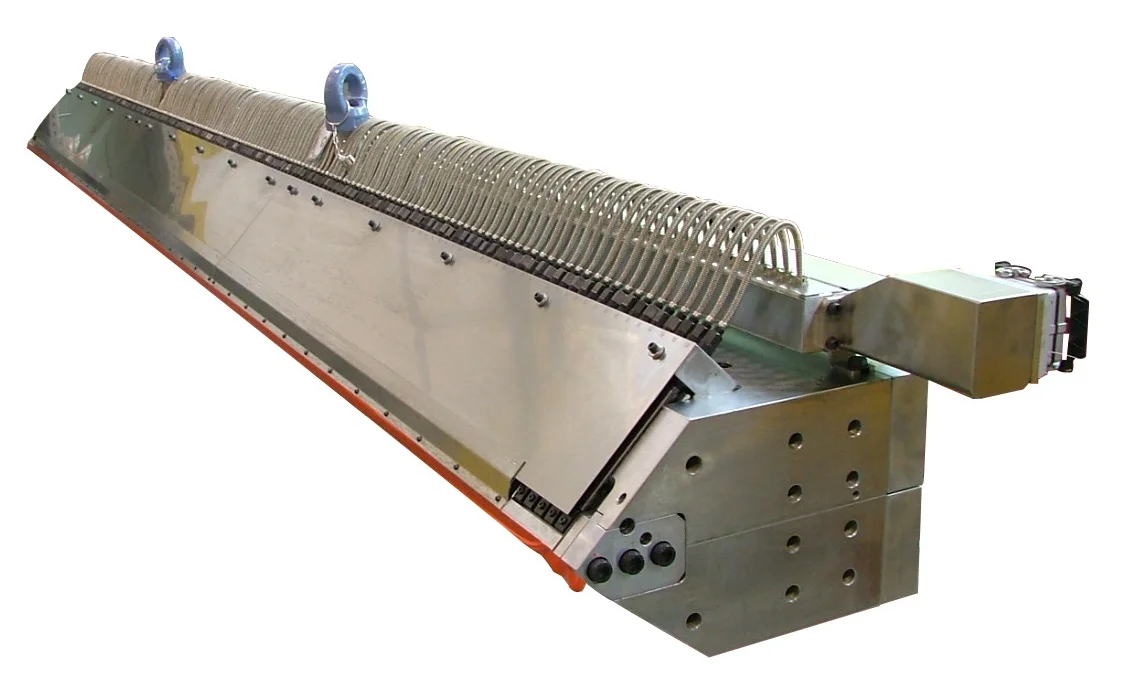
- Polystyrene melt is combined with additives and a blowing agent in an extruder.
- The mixture is forced through a die where pressure drop induces foaming.
- The board cools into a continuous closed-cell structure with relatively fine cells.
Additives and formulation aids
Common auxiliaries include:
- Flame retardants, used at low loadings to slow ignition and reduce flame spread.
- Nucleating agents, which increase cell count and can improve mechanical or insulation consistency.
- Antistatic agents in packaging grades.
- Compatibilizers or modifiers in recycled-content or composite systems.
A practical example is the use of pentane as a blowing agent in EPS, where volatilization during heating creates cell growth; another is low-level flame-retardant addition in construction grades to improve fire performance, although this often complicates recycling and can affect smoke/toxicity profiles.
Applications and End-Use Markets
Polystyrene foams are used where low weight, cushioning, and insulation matter more than solvent resistance, structural toughness, or barrier properties.
| Sector | Typical foam type | Typical processing form | Notes |
|---|---|---|---|
| Building and construction | EPS, XPS | Boards, blocks, insulated panels, void forms | Largest and most technically important market |
| Protective packaging | EPS | Molded inserts, blocks, loose-fill shapes | Favored for impact absorption and low cost |
| Cold chain and food service | EPS | Insulated boxes, trays, cups, containers | Used where thermal retention is important |
| Logistics and appliances | EPS, sometimes XPS | Custom molded cushions | Protects fragile goods during transport |
| Geotechnical and civil works | XPS, EPS | Lightweight fill, road and embankment insulation | Useful for reducing load on weak soils |
| Marine and flotation products | EPS | Buoyancy blocks, flotation cores | Depends on closed-cell structure and low density |
| Specialty uses | EPS, high-performance XPS | Models, signage, craft and display products | Often selected for machinability and shape stability |
In construction, EPS is widely used for wall, roof, floor, and façade insulation, while XPS is preferred for below-grade and high-load applications such as foundations and inverted roofs. In packaging, EPS remains one of the most efficient cushioning materials for fragile electronics, appliances, and temperature-sensitive items.
One relatively poor-fit use is direct exposure to aggressive solvents or repeated high-heat service, where polystyrene foam performs poorly compared with polypropylene foams, polyurethane systems, or mineral insulation materials.
Environmental and Sustainability Aspects
Polystyrene foams are central to sustainability debates in plastics because they deliver high functional value at very low mass, yet they are difficult to collect, sort, and economically recycle in many regions. Their low density means transport efficiency is favorable in use, but the same low density makes post-use collection costly and can contribute to litter dispersion.
Recyclability
- Mechanical recycling is technically possible and is practiced for relatively clean scrap and some post-consumer streams.
- Densification and compaction are often needed because the material is so bulky.
- Closed-loop recycling works best for manufacturing scrap and take-back systems.
- Food-contaminated and mixed-material EPS remains difficult to recycle economically in many markets.
Bio-based and lower-carbon alternatives
- Bio-attributed or bio-based styrene routes are under development in the broader styrenics value chain.
- Recycled-content PS foam and composite foams are increasingly studied.
- Alternative insulation materials compete with PS foams in construction, including mineral wool, polyurethane, and bio-based boards, each with different trade-offs.
Carbon footprint
The climate profile of PS foams depends strongly on:
- resin production energy intensity,
- blowing-agent choice,
- recycled content,
- service life,
- end-of-life route.
Because foams are lightweight and often deliver high insulation value per unit mass, their in-use energy savings in buildings can outweigh a substantial part of their embodied impacts, especially when they remain in service for long periods.
Economic and Global Market Impact
Polystyrene foam markets are closely tied to construction activity, packaging demand, food logistics, and energy-efficiency policy. Demand tends to rise with infrastructure investment, cold-chain expansion, and thermal-code tightening, while it is pressured by restrictions on single-use food service items and by substitution in packaging applications.
The global supply base is concentrated among major styrenics producers and foam processors, including companies such as INEOS Styrolution, SABIC, LG Chem, and other regional resin and foam specialists. Competitive advantage is shaped by feedstock access, process technology, logistics, and compliance with local fire and building regulations.
Current Challenges and Innovations
The main technical and commercial challenges are:
- fire safety and smoke performance,
- recycling economics,
- contamination in post-consumer streams,
- pressure from regulatory restrictions on expanded foam food service items,
- substitution by alternative insulation or packaging materials.
Innovation is focused on:
- higher recycled-content grades,
- improved flame-retardant systems with lower environmental concern,
- composite foams with fillers or nanoadditives to raise compressive strength or insulation performance,
- chemical recycling and depolymerization routes for styrenics,
- design-for-recycling packaging formats.
Research also continues on reinforcement strategies. For example, composite approaches using layered hydroxides or carbon-based fillers have shown substantial gains in compressive properties and fire performance, which may broaden applications in demanding construction and engineering uses.
Future Outlook
The future of polystyrene foams will likely depend on whether the industry can combine three objectives at once: preserve their cost-performance advantage, improve recyclability, and reduce emissions intensity. EPS will probably remain important in molded packaging and many insulation applications, while XPS will continue to serve load-bearing thermal insulation niches where moisture resistance matters most.
Longer term, the most significant opportunities are likely to come from:
- circular collection systems for clean foam scrap,
- greater use of recycled and bio-attributed feedstocks,
- additive systems that improve fire performance without undermining recycling,
- product redesign to reduce contamination and improve recovery,
- policy alignment that rewards high-performance insulation and closed-loop material flows.
Summary
Polystyrene foams are high-volume lightweight plastics that deliver insulation, cushioning, and processability through a structure that is mostly air. EPS and XPS dominate the category, with EPS favored for molded packaging and many building products and XPS favored for high-strength insulation boards. Their main strengths are low density, thermal efficiency, and low cost, while their main weaknesses are fire behavior, poor barrier performance, and difficult end-of-life recovery.
참고 문헌
- •
Polystyrene. (2003, January 12). Wikipedia. https://en.wikipedia.org/wiki/Expanded_polystyrene_foamLink
- •
聚苯乙烯泡沫的优点是什么(Advantages of Polystyrene Foam)? (n.d.). IIIFF. https://www.iiiff.com/article/400301Link
- •
PS - Polystyrene | Thermoplastic Resins. (n.d.). Syntex America. https://syntexamerica.com/products/thermoplastic-resins/ps-polystyreneLink
- •
什麼是聚苯乙烯泡沫塑膠? EPS 與XPS 的差異、用途. (2026, April 20). UDTECH. https://ud-machine.com/zh-TW/blog/what-is-styrofoam/Link
- •
关于聚苯乙烯的介绍. (n.d.). Chemicalbook. https://www.chemicalbook.com/NewsInfo_18373.htmLink
- •
聚苯乙烯泡沫塑料的阻燃研究進展及發展趨勢1. (n.d.). FSM. https://www.fsm.gov.mo/eSFSM/EsfsmJournal/file.aspx?pk=47&t=ccLink
- •
聚苯乙烯泡沫的多功能应用解析. (2026, March 3). B2BWiki. https://b2bwiki.baidu.com/article/d0nhrnhftjsrseit6550Link
- •
A comprehensive review on the synthesis, properties ... (n.d.). Springer. https://link.springer.com/article/10.1007/s44371-025-00125-y?error=cookies_not_supported&code=8fe63fc8-8f3b-4196-a0e3-b5fcf2264d34Link
- •
聚苯乙烯泡沫 市场规模. (2011, April 6). Mordor Intelligence. https://www.mordorintelligence.com/zh-CN/industry-reports/polystyrene-foam-marketLink
- •
Polystyrene (PS) by INEOS Styrolution. (n.d.). UL Prospector. https://www.ulprospector.com/plastics/en/generics/43/manufacturers/1574Link
- •
Održiva potrošnja. (n.d.). FKIT. https://www.fkit.unizg.hr/_download/repository/PST_Katancic_3%5B1%5D.pdfLink
- •
聚苯乙烯泡沫塑料. (n.d.). Baidu Baike. https://baike.baidu.com/item/%E8%81%9A%E8%8B%AF%E4%B9%99%E7%83%AF%E6%B3%A1%E6%B2%AB%E5%A1%91%E6%96%99/5853333Link
- •
Polystyrene (PS): Properties, Foam Applications, and ... (2026, February 25). ECHEMI. https://www.echemi.com/cms/2870239.htmlLink
- •
発泡スチロール. (2005, April 19). Wikipedia. https://ja.wikipedia.org/wiki/%E7%99%BA%E6%B3%A1%E3%82%B9%E3%83%81%E3%83%AD%E3%83%BC%E3%83%ABLink
- •
Polystyrene carbon composite foam with enhanced insulation and fire retardancy for a sustainable future: Critical review. (2023, November 6). Sage Journals. https://journals.sagepub.com/doi/10.1177/0021955X231215753Link
- •
一种聚乙烯-聚苯乙烯泡沫及其制备方法. (2010, April 29). Google Patents. https://patents.google.com/patent/CN101824198A/zhLink
- •
ELŻBIETA MALEWSKA, ALEKSANDER PROCIAK*. (n.d.). EJournals. https://ejournals.eu/pliki_artykulu_czasopisma/pelny_tekst/d4ec3b5b-27ec-490a-a430-7debac647e27/pobierzLink
- •
發泡聚苯乙烯. (2003, January 1). Newton. https://www.newton.com.tw/wiki/%E7%99%BC%E6%B3%A1%E8%81%9A%E8%8B%AF%E4%B9%99%E7%83%AFLink
- •
DICP科普一下∣聚苯乙烯. (2026, March 27). DICP. https://dicp.cas.cn/kxpj/kxgs/202603/t20260327_8178075.htmlLink
- •
泡沫塑膠. (2013, March 29). Wikipedia. https://zh.wikipedia.org/zh-hk/%E6%B3%A1%E6%B2%AB%E5%A1%91%E6%96%99Link
- •
了解發泡聚苯乙烯:多功能泡沫絕緣材料. (2024, December 11). UDTECH. https://ud-machine.com/zh-TW/blog/expanded-polystyrene/Link
- •
聚苯乙烯泡沫市场,按泡沫类型(发泡聚苯乙烯(EPS),挤出聚苯乙烯(XPS)等),按工艺类型(挤出,注塑,真空成型等),按树脂类型,按最终用途,按地区预测到2032年. (2024, May 20). Emergen Research. https://www.emergenresearch.com/cn/industry-report/polystyrene-foam-marketLink
- •
聚苯乙烯. (2004, October 11). Wikipedia. https://zh.wikipedia.org/zh-hans/%E8%81%9A%E8%8B%AF%E4%B9%99%E7%83%AFLink
- •
泡沫塑膠. (n.d.). Newton. https://www.newton.com.tw/wiki/%E6%B3%A1%E6%B2%AB%E5%A1%91%E8%86%A0Link
- •
Polystyrene compositions for foam extrusion. (2019, June 18). Google Patents. https://patents.google.com/patent/WO2019246170A1/enLink
- •
Knowing the different types of polystyrene and why it matters. (2020, November 1). TruTeam. https://www.truteam.com/education/knowing-the-different-types-of-polystyrene-and-why-it-matters/Link
- •
泡沫材质解析:泡沫是聚什么脂. (2026, April 21). B2BWiki. https://b2bwiki.baidu.com/article/crhg3g1ftjssiktro86gLink
- •
Journal of Applied Polymer Science. (2026, April 10). Wiley. https://onlinelibrary.wiley.com/doi/full/10.1002/app.70441Link
- •
What is polystyrene (PS) and what is it used for? (2024, February 16). PCC Group. https://www.products.pcc.eu/en/blog/what-is-polystyrene-ps-and-what-is-it-used-for/Link
- •
Sabic. (n.d.). SABIC. https://www.sabic.com/en/products/polymers/polystyrene-psLink
- •
Polystyrene PS - detailed analysis. (2024, July 16). Linseis. https://www.linseis.com/en/wiki/polystyrene-ps-a-detailed-analysis/Link
- •
EPS | Petrochemicals | Product. (n.d.). LG Chem. https://www.lgchem.com/product-detail/eps?lang=en_USLink
- •
发泡聚苯乙烯. (2022, August 13). Baidu Baike. https://baike.baidu.com/item/%E5%8F%91%E6%B3%A1%E8%81%9A%E8%8B%AF%E4%B9%99%E7%83%AF/6310855Link
- •
泡沫塑料. (2013, March 29). Wikipedia. https://zh.wikipedia.org/wiki/%E6%B3%A1%E6%B2%AB%E5%A1%91%E6%96%99Link
- •
Polystyrene | Chemical Compound. (2025, September 11). Britannica. https://www.britannica.com/science/polystyreneLink
- •
Components of Expanded Polystyrene Foams. (n.d.). Springer. https://link.springer.com/chapter/10.1007/978-981-96-5618-9_5?error=cookies_not_supported&code=afef57e5-ca22-457a-8308-67f3d31cfd97Link
- •
Multi-Fold Enhancement in Compressive Properties of Polystyrene Foam Using Pre-delaminated Stearate Functionalized Layer Double Hydroxides. (2019, December 19). PMC. https://pmc.ncbi.nlm.nih.gov/articles/PMC7023627/Link
- •
Polystyrene Foam. (2021, November 6). ScienceDirect. https://www.sciencedirect.com/topics/engineering/polystyrene-foamLink