
簡介
Biodegradable plastics 是指在特定條件下,設計讓微生物分解成水、二氧化碳或甲烷以及生物質的聚合物材料,而非在環境中無限期持久存在。這個類別在技術和商業上範圍廣泛:包括來自可再生原料的生物基 biodegradable plastics,以及一些透過選定 additives 或特定聚合物化學配方而能生物降解的石化塑料。
在工業實務中,這個詞彙常與 compostable plastics 並用,但不可互換。compostable plastics 必須在定義的堆肥條件和時間範圍內生物降解。這種區別很重要,因為生物降解高度取決於聚合物結構、環境、溫度、濕度、氧氣供應、微生物活性以及處置途徑。
Biodegradable plastics 在包裝、農業、消費品以及特定醫療和特殊應用中佔有重要利基,然而它們仍然具有爭議性,因為其環境表現可能因最終處置管理而改善或惡化。它們的發展反映了塑料產業更廣泛地減少持久性廢棄物的努力,但目前證據顯示,在控制不佳的處置系統中,不完全降解、微塑膠形成、化學物質釋出以及甲烷排放仍是重大問題。
歷史與發展
現代生物可降解塑料產業源自對澱粉基材料、脂肪族聚酯和生物衍生單體的研究,隨後隨著包裝和廢棄物管理壓力增加而擴展。早期商業產品通常聚焦於短期應用,在這些應用中生物降解可輔助堆肥或受控生物處理。
隨著時間推移,該領域分為數個技術家族:
- 生物基 biodegradable plastics,部分或全部由甘蔗、玉米或林業衍生原料等可再生生物質生產。
- 化石基 biodegradable plastics,包括一些由石化中間體製成但經設計可在特定條件下生物降解的聚酯系統。
- 摻混與複合系統,將可生物降解聚合物與澱粉、纖維素或其他改性劑結合,以降低成本或調整性能。
隨著政策制定者、品牌擁有者和廢棄物管理公司尋求在收集和回收困難的應用中替代傳統塑料(尤其是受污染食品包裝、地膜和某些一次性物品),興趣加速增長。同時,科學審查也加強,顯示生物降解性能因環境而異,且「可生物降解」並不自動意味著在自然環境中無害或完全消失。
化學結構與關鍵特性
Biodegradable plastics 通常具有比許多傳統聚烯烴典型的碳-碳主鏈更容易被水解和微生物攻擊的化學鍵。因此許多商業 biodegradable plastics 是 聚酯,因為酯鍵更容易被水和酶裂解。
常見的可生物降解樹脂家族包括:
- Polylactic acid (PLA),一種廣泛用於包裝和纖維的生物基聚酯。
- Polyhydroxyalkanoates (PHAs),微生物生產且具有強大生物降解潛力的聚酯。
- Polybutylene adipate terephthalate (PBAT),一種常用于摻混的柔性可堆肥聚酯。
- 澱粉摻混物 和 纖維素衍生物,常用于一次性產品和薄膜。
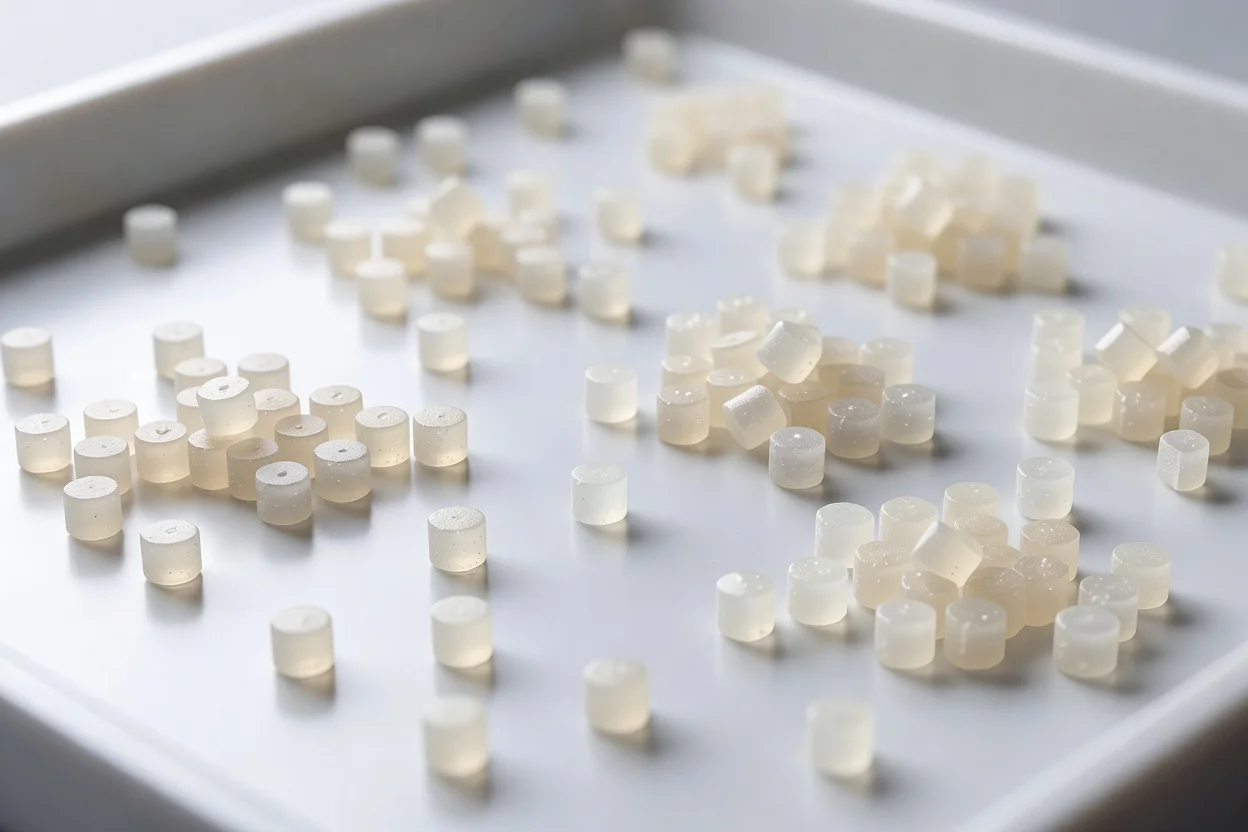
典型性能優勢包括:
- 在選定等級的薄膜擠出、熱成型、射出成型和纖維中具有良好的加工性。
- 透過摻混和 additives 可調整剛性、柔韌性和阻隔性能。
- 在受控生物處理系統中比傳統塑料持久性更低。
實際限制也很重要:
- 許多等級的氧氣和油脂阻隔性差 → 由聚合物化學和形態引起 → 解決方法:多層結構、coatings 或與阻隔聚合物和 additives 摻混。
- 數個等級的耐熱性低,尤其是 PLA 基材料 → 由低玻璃轉移和結晶行為引起 → 解決方法:成核劑、退火、立構複合 PLA 或用於冷灌裝和低溫應用。
- 僅在特定條件下生物降解 → 由對濕度、溫度、氧氣和微生物酶的依賴引起 → 解決方法:將樹脂與處置途徑匹配,例如工業堆肥或受控厭氧處理。
- 機械性能權衡,如脆性或衝擊強度降低 → 由聚合物剛性和不完全結晶控制引起 → 解決方法:plasticizers、impact modifiers 和摻混。
一個有用的技術區別是 biodegradable 描述的是最終處置行為,而 bio-based 描述的是原料來源;兩者並非總是重疊。
生產製程與原料
生產途徑取決於聚合物家族。
主要原料與途徑
- 發酵基單體
- 石化與混合途徑
- PBAT 及相關共聚酯由傳統化學中間體合成,但經設計可生物降解。
- 某些 biodegradable additives 或促降解系統添加到選定的化石基塑料中,儘管這些方法在科學和法規上仍有爭議。
- 摻混與配混
- 澱粉、纖維素、plasticizers、compatibilizers、填料和 chain extenders 經配混以平衡成本、加工性和降解速率。
代表性加工助劑與機制
- Chain extenders 可透過與端羥基和羧基反應,部分恢復 PLA 的熔體強度,改善吹膜和發泡性。
- 成核劑 在低添加量下可加速結晶,改善耐熱性和尺寸穩定性。
- plasticizers 透過增加鏈移動性來降低富含澱粉摻混物的脆性,但過度塑化可能提高水敏感性。
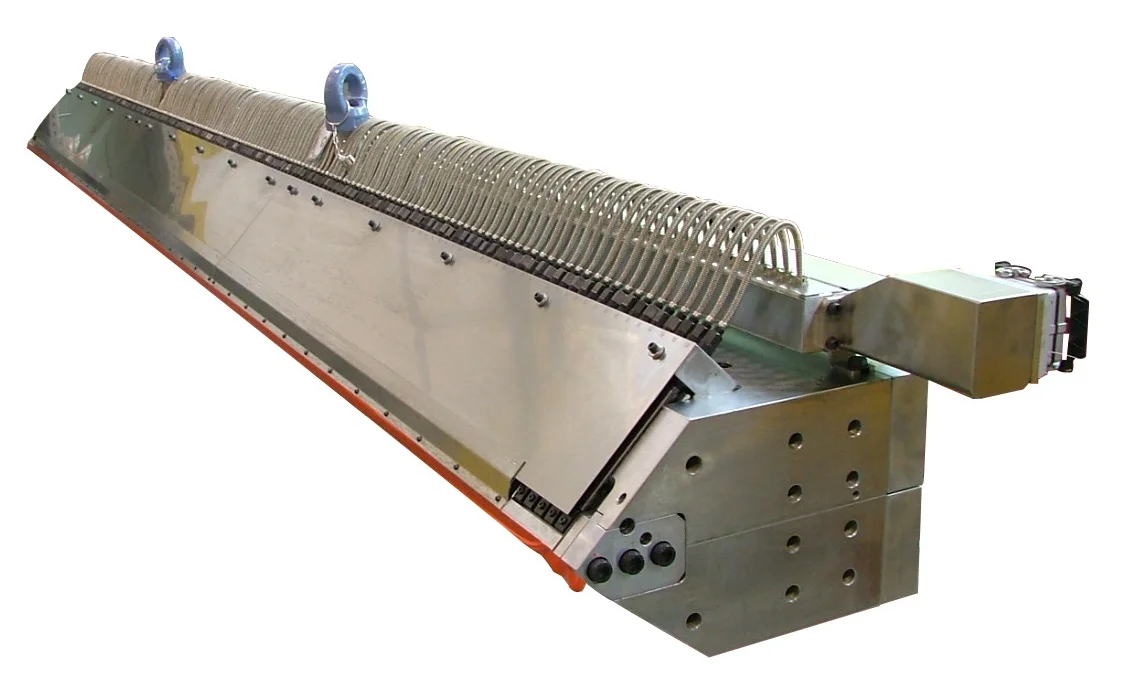
該產業的製造經濟性受生物質成本、發酵產率、純化效率、催化劑性能以及下游配混規模的強烈影響。在與糖或澱粉供應鏈整合的生產中,原料可用性和農業影響成為主要策略變數。
應用與終端市場
Biodegradable plastics 在收集困難、污染高或堆肥是現實最終處置途徑的應用中最具競爭力。
| 終端使用領域 | 典型生物可降解等級 | 常用加工途徑 | 備註 |
|---|---|---|---|
| 包裝薄膜與袋子 | PBAT 摻混物、澱粉摻混物、PLA 摻混物 | 吹膜、流延膜 | 常用於重視堆肥性或減少 litter 的場合 |
| 食品服務用具 | PLA、澱粉摻混物 | 熱成型、射出成型 | 最適合冷用或中溫使用 |
| 農業 | 地膜、植物盆、夾子 | 薄膜擠出、射出成型 | 主要使用案例,因為薄膜回收困難 |
| 纖維與不織布 | PLA、部分 PHAs | 紡黏、熔噴、短纖維 | 用於衛生與特殊紡織品 |
| 醫療與健康相關物品 | 選定 PHAs、PLA、共聚酯 | 射出成型、擠出、纖維 | 適合需要控制降解或可吸收性的場合 |
| Coatings 與特殊紙張 | 生物可降解分散體與 coatings | 塗佈、層壓 | 有助於取代塑化或持久性阻隔層 |
主要使用模式
- 薄膜與袋子:是 biodegradable plastics 的主要市場,尤其是可堆肥購物袋和食物廢棄物內襯。
- 農業地膜:技術上最符合的用途之一,因為從土壤中回收薄膜成本高且不完全。
- 食品包裝:廣泛用於托盤、杯子、蓋子和某些包裝,但熱和阻隔限制了範圍。
- 纖維與不織布:選定的衛生和一次性紡織應用受益於控制降解或減少持久性。
- 醫療用途:某些植入或可吸收系統使用生物可降解聚合物,因為控制降解可能在功能上有利。
一個明顯不適合的用途是 高熱可重複使用熱灌裝包裝,因為許多生物可降解等級在傳統工程塑料能更好耐受的溫度下會軟化、翹曲或失去機械性能。
環境與永續性面向
Biodegradable plastics 的永續性論據是 有條件的,而非絕對的。它們的效益取決於材料是否到達設計的最終處置途徑。
潛在效益
- 在受控堆肥或生物處理系統中減少持久性。
- 在某些受控廢棄物流中降低長期累積。
- 在正確收集和處理時,可能減少某些形式的 litter 和生態毒性。
關鍵權衡與風險
- 不完全降解 可能產生可生物降解微塑膠、寡聚物和降解中間物。
- 甲烷排放 可能發生在垃圾掩埋場或厭氧環境中,如果降解不完全或未受管理。
- additives 或分解產物的化學物質釋出 可能影響土壤和水生生物。
- 水和土地使用影響 可能在需要大量生物質原料時增加。
近期文獻的一個核心發現是,biodegradable plastics 主要在處置系統設計與材料行為匹配時才對環境有益。沒有這些系統,環境論據會大幅減弱,在某些情境下排放和毒性影響可能惡化。
可回收性與循環性
Biodegradable plastics 在傳統機械回收流中並非本質上可回收,且污染可能使分選複雜化。在許多系統中,首選途徑是:
- 工業堆肥,針對經認證的可堆肥材料。
- 有機回收或厭氧處理,在適當時。
- 機械回收,僅在特定聚合物流乾淨且可分離時。
經濟與全球市場影響
根據近期產業與學術分析,biodegradable plastics 市場相對於全球傳統塑料仍是少數區塊,但在包裝、農業和受管制可堆肥產品中具有策略重要性。需求受到政策措施、企業永續目標以及消費者對持久性塑料替代品的需求支持。
商業競爭受以下因素影響:
- 生物基等級的原料與發酵經濟性。
- 聚酯基等級的催化劑、加工和規模化效率。
- 決定真正價值主張的最終處置基礎設施。
- 法規定義、標示規則和堆肥性標準。
產業結構在某些樹脂家族中相對集中,主要全球生產商和技術領導者涵蓋石化和生物基平台。領先貢獻者包括與 PLA、PBAT、澱粉摻混物和 PHA 開發相關的公司,以及提供中間體、配混技術和規模製造能力的大型整合化學公司。
當前挑戰與創新
該產業面臨實驗室生物降解性與現實環境行為之間的持續差距。最重要的挑戰是:
- 生物可降解、堆肥性與生物基材料之間的錯誤標示和消費者混淆。
- 土壤、海洋和垃圾掩埋場環境中的不完全降解。
- 部分碎片化期間的微塑膠形成。
- 產品設計與廢棄物管理系統之間的基礎設施不匹配。
創新聚焦於數個領域:
- 改進催化劑和發酵菌株 以降低成本並擴大原料靈活性。
- 改善韌性、阻隔性能和耐熱性的摻混系統。
- 酶促進塑料,其中嵌入或表面活性酶可在定義條件下加速分解。
- 標準化測試與認證,以更好地將主張與實際最終處置性能對齊。
一個值得注意的創新方向範例是酶輔助 PLA 降解,其中嵌入酶在暴露於熱和水時可觸發快速解聚,說明分子設計如何更精確地控制最終處置行為。
未來展望
Biodegradable plastics 的未來可能較少由單一「替代」敘事定義,而更多由 應用特定材料設計 定義。最強的成長前景在於污染高、回收困難且受控生物處理為現實的用途,尤其是農業、食物廢棄物收集和某些一次性包裝類別。
數個趨勢可能塑造下一階段:
- 更重視 認證堆肥性 和更清楚的標示。
- 更廣泛採用 摻混工程 以改善熱和機械性能。
- 更多與實際處置系統連結的 生命週期評估 研究。
- 增加對 非糧食生物質、廢棄物衍生原料和更高產率發酵 的興趣,以降低環境和經濟成本。
- 對僅靠生物降解性即保證環境安全的說法進行更嚴格的政策審查。
最可能的长遠結果是更具選擇性的市場:biodegradable plastics 將在它們比回收或傳統聚合物更好解決廢棄物管理問題的領域擴展,但不太可能在整個塑料經濟中取代傳統塑料。
摘要
Biodegradable plastics 是一類技術多樣的聚合物,經設計可透過微生物作用在特定條件下分解。它們的價值在於處置可受控制的目標應用,但其環境效益高度取決於樹脂化學、產品設計和最終處置基礎設施的匹配。
參考文獻
- •
Biodegradable plastics. (2021, October 27). PlasticsEurope. https://plasticseurope.org/plastics-explained/a-large-family/biodegradable-plastics/Link
- •
A review of the ecological effects of biodegradable plastics. (2022, December 1). PubMed. https://pubmed.ncbi.nlm.nih.gov/36069649/Link
- •
Biodegradable plastics as sustainable alternatives. (2025, September 10). PMC. https://pmc.ncbi.nlm.nih.gov/articles/PMC12471672/Link
- •
The environmental trade-offs of biodegradable plastics. (2026, January 23). Yale School of the Environment. https://environment.yale.edu/news/article/environmental-trade-offs-biodegradable-plasticsLink
- •
Environmental impacts of biodegradable microplastics. (2024, September 27). Nature. https://www.nature.com/articles/s44286-024-00127-0Link
- •
Environmental performance of bioplastics: Degradation pathways, chemical leaching, and life-cycle implications. (2026, March 3). Nature. https://www.nature.com/articles/s44296-026-00096-wLink
- •
Biodegradable plastic: An overview. (n.d.). ScienceDirect. https://www.sciencedirect.com/topics/medicine-and-dentistry/biodegradable-plasticLink
- •
Comprehensive analysis of bioplastics: Life cycle assessment. (2024, September 11). PMC. https://pmc.ncbi.nlm.nih.gov/articles/PMC11401513/Link
- •
A review on the release and environmental effects of biodegradable plastics. (n.d.). Springer. https://link.springer.com/article/10.1186/s12302-025-01140-7Link
- •
Unlocking the potentials of biodegradable plastics with proper management and evaluation at environmentally relevant concentrations. (2024, April 18). npj Materials Sustainability. https://www.nature.com/articles/s44296-024-00012-0Link
- •
Biodegradability of plastics. (2025, July 10). SpecialChem. https://www.specialchem.com/plastics/guide/biodegradabilityLink
- •
What are the basics of biodegradable plastics? (2025, November 16). Made for Planet. https://madeforplanet.com/blogs/what-are-the-basics-of-biodegradable-plasticsLink
- •
Different types of biodegradable plastics. (2024, October 18). EuroPlas. https://europlas.com.vn/en-US/blog-1/different-types-of-biodegradable-plasticsLink
- •
A review of biodegradable plastics: Chemistry, applications, properties, and future research needs. (2023, July 20). ACS Publications. https://pubs.acs.org/doi/10.1021/acs.chemrev.2c00876Link
- •
Biodegradable biopolymers: Real impact to environment pollution. (2024, October 15). PubMed. https://pubmed.ncbi.nlm.nih.gov/38981547/Link
- •
Biodegradable plastics. (n.d.). OSTI. https://www.osti.gov/servlets/purl/2283546Link
- •
Biodegradable polymer. (2007, November 15). Wikipedia. https://en.wikipedia.org/wiki/Biodegradable_polymerLink
- •
Biodegradable plastic: An overview. (n.d.). ScienceDirect. https://www.sciencedirect.com/topics/pharmacology-toxicology-and-pharmaceutical-science/biodegradable-plasticLink
- •
Environmental impact of bioplastic use: A review. (2021, September 3). PMC. https://pmc.ncbi.nlm.nih.gov/articles/PMC8424513/Link
- •
Biodegradation, explained. (2019, February 12). Green Dot Bioplastics. https://www.greendotbioplastics.com/biodegradation-explained/Link
- •
Bridging three gaps in biodegradable plastics: Misconceptions and... (2021, May 14). PMC. https://pmc.ncbi.nlm.nih.gov/articles/PMC8160376/Link
- •
Biodegradable plastic. (2006, July 25). Wikipedia. https://en.wikipedia.org/?title=Biodegradable_plasticsLink
- •
New study helps quantify climate change and ecotoxicity impacts... (2024, October 17). Yale School of the Environment. https://environment.yale.edu/news/article/new-study-helps-quantify-climate-change-and-ecotoxicity-impacts-biodegradableLink
- •
Biodegradable plastic. (2025, June 4). Biodeg. https://www.biodeg.org/biodegradable-technology/Link
- •
Biodegradable and compostable alternatives to conventional... (2009, July 27). PMC. https://pmc.ncbi.nlm.nih.gov/articles/PMC2873018/Link
- •
Biodegradable and compostable plastics — challenges and... (2020, August 27). European Environment Agency. https://www.eea.europa.eu/en/analysis/publications/biodegradable-and-compostable-plastics-challenges-and-opportunitiesLink
- •
Understanding the impact of biodegradable microplastics on... (2023, September 6). PMC. https://pmc.ncbi.nlm.nih.gov/articles/PMC10534621/Link
- •
Science snippet: Breaking down biodegradability. (2024, April 17). NIGMS. https://www.nigms.nih.gov/biobeat/2024/04/science-snippet-breaking-down-biodegradabilityLink
- •
Are biodegradable plastics truly safe for the environment? (2024, January 3). PubMed. https://pubmed.ncbi.nlm.nih.gov/38242301/Link
- •
What is biodegradable plastic? (2025, January 20). Greenly. https://greenly.earth/en-us/blog/company-guide/what-is-biodegradable-plasticLink
- •
Biodegradable biobased polymers: A review of the state of... (2024, August 9). PMC. https://pmc.ncbi.nlm.nih.gov/articles/PMC11359911/Link
- •
A review of standards for biodegradable plastics. (n.d.). UK Government. https://assets.publishing.service.gov.uk/media/5d2ddf9fed915d2fed340be8/review-standards-for-biodegradable-plastics-IBioIC.pdfLink
- •
Review article. (n.d.). Nature. https://www.nature.com/articles/s41529-022-00277-7.pdfLink
- •
Biodegradable polymers. (2009, April 1). PMC. https://pmc.ncbi.nlm.nih.gov/articles/PMC5445709/Link
- •
An insight on sources and biodegradation of bioplastics. (2023, May 31). PMC. https://pmc.ncbi.nlm.nih.gov/articles/PMC10230146/Link
- •
Biodegradable plastics in soils: Sources, degradation, and effects. (2025, November 12). RSC Publishing. https://pubs.rsc.org/en/content/articlehtml/2025/em/d4em00754aLink
- •
Biodegradability of plastics. (2009, August 26). PMC. https://pmc.ncbi.nlm.nih.gov/articles/PMC2769161/Link
- •
Is biodegradable plastic good for the environment? Exploring... (2026, January 23). DNP. https://www.global.dnp/en/biz/column/packaging/20173971/Link
- •
Impact of bioplastics on environment from its production to... (n.d.). ScienceDirect. https://www.sciencedirect.com/science/article/pii/S0957582024006359Link
- •
New process makes 'biodegradable' plastics truly compostable. (2021, April 21). Berkeley News. https://news.berkeley.edu/2021/04/21/new-process-makes-biodegradable-plastics-truly-compostable/Link
- •
Frequently asked questions about plastic recycling and composting. (2015, November 18). EPA. https://www.epa.gov/trash-free-waters/frequently-asked-questions-about-plastic-recycling-and-compostingLink
- •
Bioplastics: How bioplastics work. (2022, September 23). MasterClass. https://www.masterclass.com/articles/bioplasticsLink
- •
Demystifying 'compostable' and 'biodegradable' plastics. (2026, June 4). Beyond Plastics. https://www.beyondplastics.org/fact-sheets/bad-news-about-bioplasticsLink