
परिचय
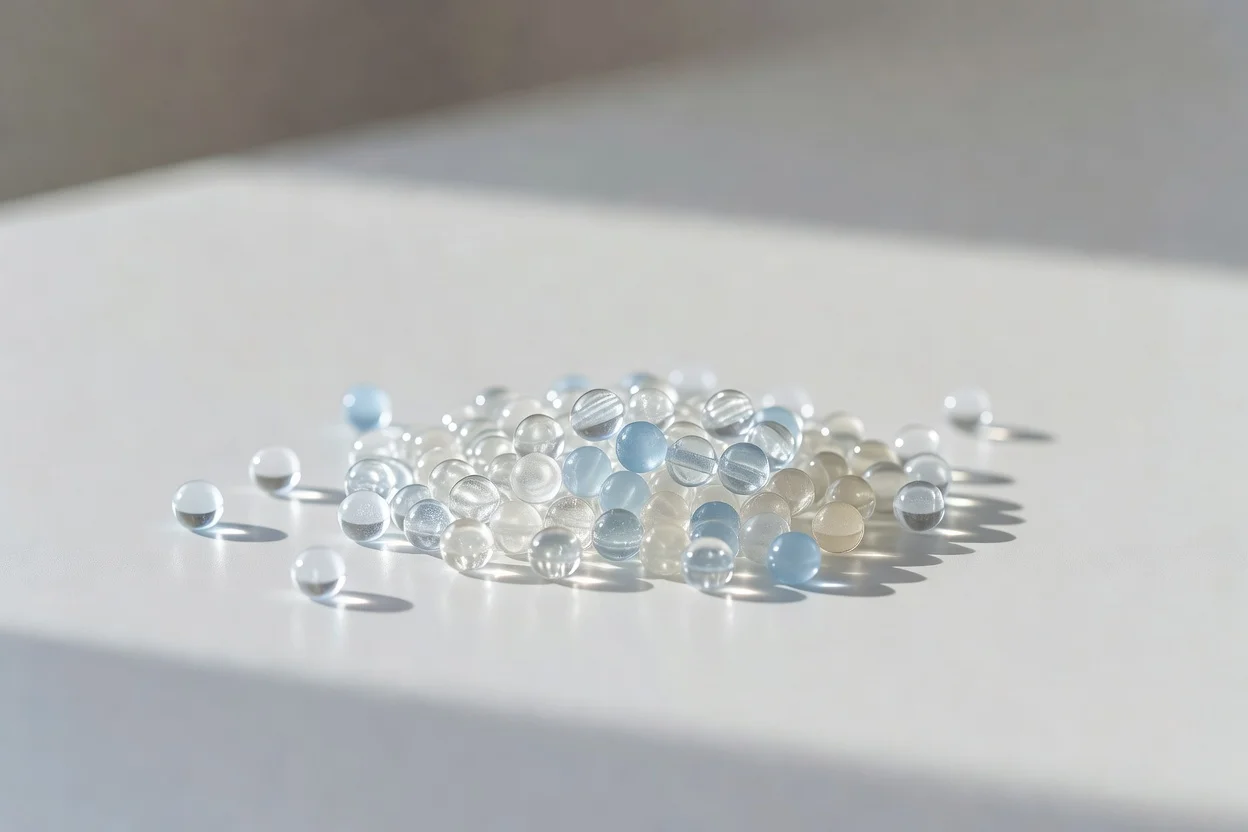
डेसिकेंट एक व्यापक शब्द है जो नमी को हटाने या नियंत्रित करने के लिए उपयोग की जाने वाली सामग्री के लिए है, जिससे बंद या अर्ध-बंद वातावरण में सूखापन बनाए रखा जा सके। प्लास्टिक और संबंधित औद्योगिक पैकेजिंग में, डेसिकेंट सबसे अधिक नमी-सुरक्षात्मक पैकेजिंग, संपीड़ित-वायु सुखाने, रेजिन हैंडलिंग और भंडारण तथा परिवहन के दौरान नमी-संवेदनशील उत्पादों की सुरक्षा से जुड़े होते हैं।
प्लास्टिक पारिस्थितिकी तंत्र के भीतर, डेसिकेंट एक single रसायन नहीं बल्कि hygroscopic सामग्रियों और drying agents का परिवार है, जिसमें आमतौर पर silica gel, molecular sieves, activated alumina, bentonite clay, और calcium-based formulations शामिल हैं। उनकी महत्वता प्राथमिक पैकेजिंग और लॉजिस्टिक्स से लेकर पॉलीमर प्रोसेसिंग तक फैली हुई है, जहाँ अनियंत्रित नमी hydrolysis, bubbles, voids, reduced mechanical properties, और hygroscopic रेजिन जैसे PET, nylon, और polycarbonate में surface defects पैदा कर सकती है। यह डेसिकेंट को न केवल उत्पाद संरक्षण के लिए बल्कि विनिर्माण गुणवत्ता और प्रक्रिया दक्षता के लिए भी रणनीतिक रूप से महत्वपूर्ण बनाता है।
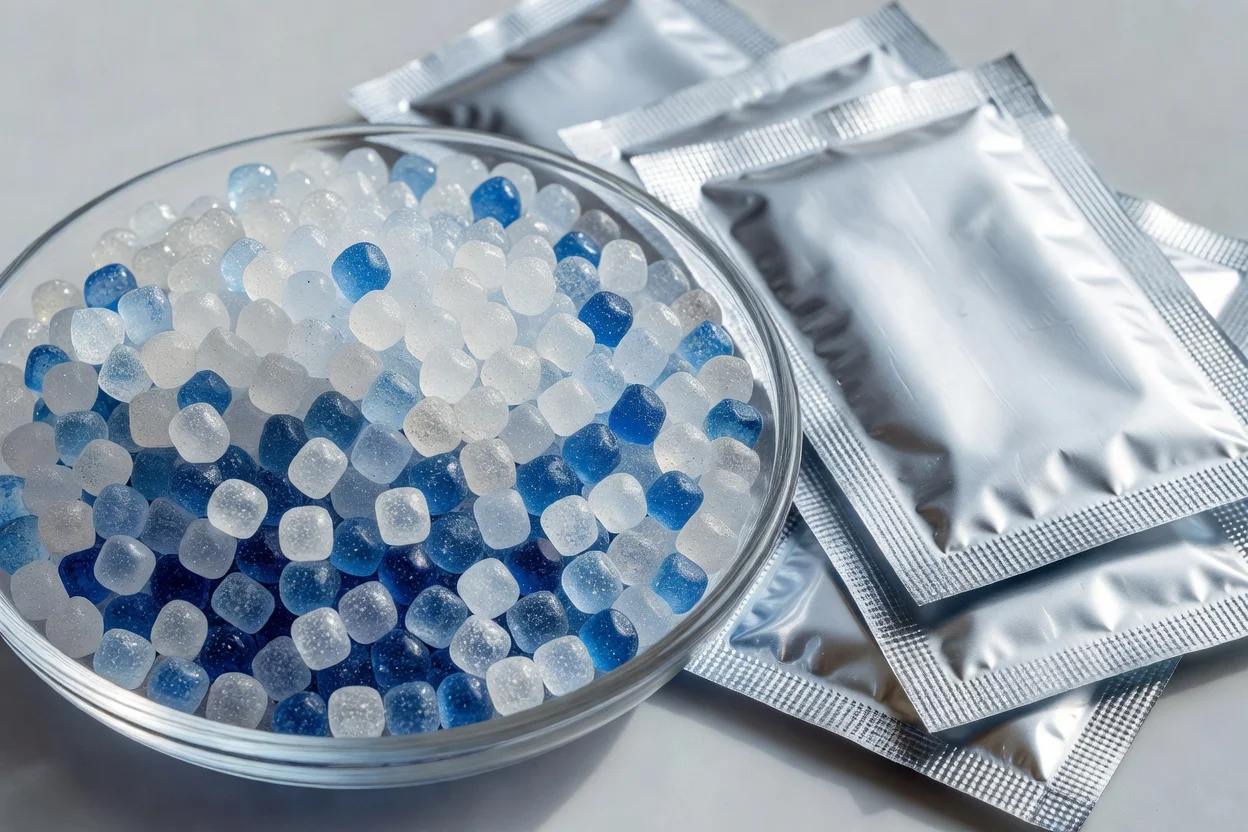
ऐतिहासिक रूप से, डेसिकेंट सरल प्राकृतिक drying agents से engineered sorbents तक विकसित हुए हैं जिनमें tailored pore structures और adsorption behavior होते हैं। आधुनिक औद्योगिक डेसिकेंट विशिष्ट आर्द्रता श्रेणियों में predictable uptake के लिए डिज़ाइन किए गए हैं, molecular sieves को बहुत कम relative humidity के लिए पसंद किया जाता है और silica gel या clay का उपयोग अक्सर व्यापक, किफायती नमी नियंत्रण के लिए किया जाता है। जैसे-जैसे sustainability दबाव बढ़ते हैं, क्षेत्र reusable systems, बेहतर packaging design, lower-waste formats, और circular manufacturing chains में अधिक selective sorbents के उपयोग से भी आकार ले रहा है।
इतिहास और विकास
डेसिकेंट के पीछे मूल सिद्धांत लंबे समय से चला आ रहा है: physical adsorption, chemical absorption, या दोनों के संयोजन द्वारा नमी हटाना। प्रारंभिक औद्योगिक नमी नियंत्रण salts, clay minerals, और अन्य hygroscopic materials जैसे प्राकृतिक रूप से पाए जाने वाले पदार्थों पर निर्भर था। समय के साथ, engineered desiccants उभरे जो विशेष रूप से फार्मास्यूटिकल्स, इलेक्ट्रॉनिक्स, और औद्योगिक पैकेजिंग में अधिक consistent performance प्रदान करते हैं, जहाँ नमी सहनशीलता संकीर्ण होती है और विफलता लागत अधिक होती है।
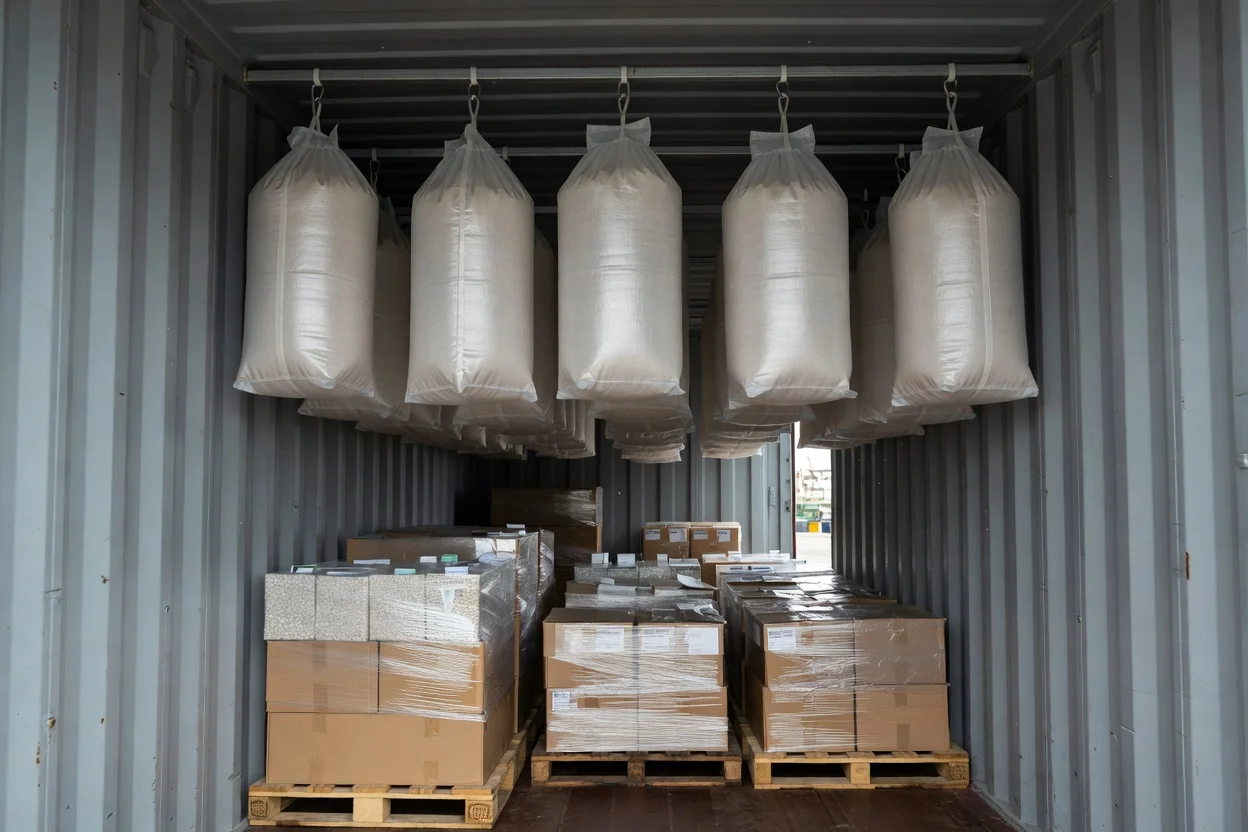
प्लास्टिक और पैकेजिंग क्षेत्रों में, डेसिकेंट विशेष रूप से महत्वपूर्ण हो गए जब वैश्विक आपूर्ति श्रृंखलाएँ लंबी हुईं और नमी-संवेदनशील उत्पाद humid climates, ocean freight, और storage cycles से गुजरे। कंटेनर “cargo sweat,” condensation, और corrosion ने packaging desiccants और humidity-control systems की मजबूत मांग पैदा की जो विविध transport conditions में reliably कार्य कर सकें। हाल ही में, dry-air systems, desiccant wheels, और inline drying moisture-sensitive polymer processing का अभिन्न अंग बन गए हैं, विशेष रूप से high-performance और hygroscopic polymers के लिए।
रासायनिक संरचना और प्रमुख गुण (तकनीकी अवलोकन)
डेसिकेंट अपने surroundings में water vapor activity को adsorption onto a surface, absorption into a bulk material, या chemical binding द्वारा कम करके काम करते हैं। उनका व्यावहारिक प्रदर्शन surface area, pore-size distribution, equilibrium moisture capacity, regeneration behavior, dusting, packaging format, और humidity range द्वारा नियंत्रित होता है जिसमें वे सबसे प्रभावी होते हैं।
सामान्य औद्योगिक desiccant families में शामिल हैं:
| Desiccant family | Typical behavior | Strengths | Typical limitations |
|---|---|---|---|
| Silica gel | Broad-range physical adsorption | Stable, predictable, widely used | Less effective than molecular sieves at very low humidity |
| Molecular sieve | Strong adsorption at low humidity | Excellent low-RH performance | Higher cost; can over-dry sensitive contents |
| Bentonite clay | Natural adsorption | Low cost, widely used in packaging | Lower capacity than engineered sorbents in demanding conditions |
| Activated alumina | Porous adsorption | Robust industrial drying behavior | Less common in basic packaging than silica gel |
| Calcium chloride-based systems | Moisture absorption with liquefaction or gel formation | High capacity | Can deliquesce and require careful containment |
एक महत्वपूर्ण तकनीकी बिंदु यह है कि डेसिकेंट को simply maximum amount of water they can hold के बजाय required equilibrium relative humidity के अनुसार चुना जाता है। उदाहरण के लिए, molecular sieves का उपयोग तब किया जाता है जब बहुत कम residual humidity की आवश्यकता होती है, जबकि silica gel को अक्सर चुना जाता है जब लक्ष्य broader humidity range में moderate, stable moisture buffering होता है।
Real-world limits चयन में मायने रखते हैं। एक limit यह है कि silica gel में good broad-range adsorption होती है लेकिन very low RH पर lower performance → इसका कारण इसका adsorption profile है, जो molecular sieves की तुलना में less aggressive है → workaround यह है कि जब very low residual moisture की आवश्यकता हो तो molecular sieve desiccant का उपयोग करें। एक अन्य limit यह है कि clay desiccants economical और standard packaging में उपयोगी हैं → कारण उनकी lower adsorption intensity और less specialized pore structure है engineered sorbents की तुलना में → workaround desiccant charge को oversize करना या tighter moisture control के लिए silica gel या molecular sieve पर स्विच करना है।
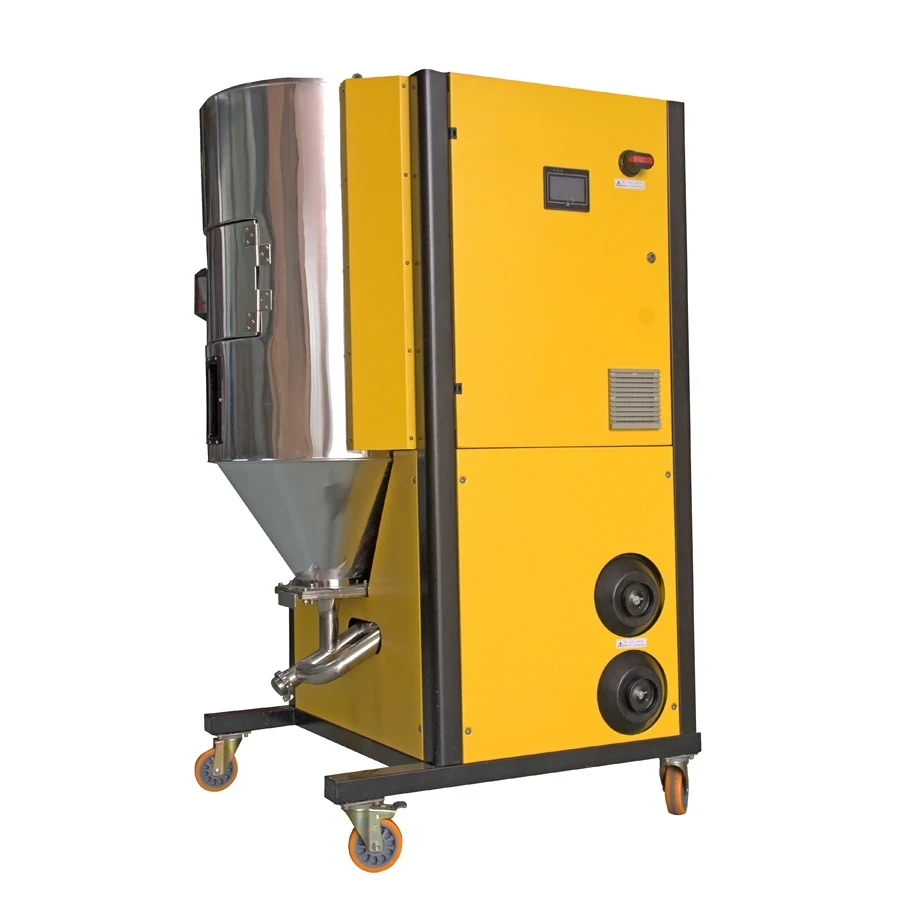
औद्योगिक drying में, polymer pellets और process air पर भी वही नमी-नियंत्रण सिद्धांत लागू किया जाता है। Hygroscopic resins को processing से पहले सूखा जाना चाहिए क्योंकि absorbed water melt processing के दौरान chains को hydrolyze कर सकता है, molecular weight को कम कर सकता है और final properties को नुकसान पहुँचा सकता है। व्यवहार में, यह desiccant dryers और low-dew-point air systems को polymer plants में एक महत्वपूर्ण auxiliary बनाता है, विशेष रूप से PET, nylon, और अन्य moisture-sensitive materials के लिए।
उत्पादन प्रक्रियाएँ और कच्चे फीडस्टॉक
डेसिकेंट target material class और application के आधार पर routes के माध्यम से उत्पादित किए जाते हैं।
- Silica gel आमतौर पर sodium silicate-derived silica networks से बनाया जाता है, जिससे high internal surface area वाला porous amorphous material उत्पन्न होता है।
- Molecular sieves controlled crystalline pore sizes वाले synthetic zeolites हैं, जो water molecules का selective uptake सक्षम करते हैं।
- Activated alumina porous sorbent बनाने के लिए aluminum hydroxide या संबंधित precursor materials के thermal activation द्वारा उत्पादित किया जाता है।
- Bentonite clay desiccants processed natural clay minerals, विशेष रूप से montmorillonite-rich clays पर निर्भर करते हैं।
- Calcium chloride systems chemically active moisture absorbers हैं और अक्सर वहाँ उपयोग किए जाते हैं जहाँ high capacity की आवश्यकता होती है।
Raw feedstocks इसलिए mineral और chemical intermediates से लेकर अधिक engineered zeolitic structures तक फैले होते हैं। उत्पादन trade-off सीधा है: naturally derived या low-processing materials अक्सर सस्ते होते हैं, जबकि synthetic sorbents adsorption properties का tighter control और अधिक reliable low-humidity performance प्रदान करते हैं।
प्लास्टिक processing के लिए, desiccant systems equipment के रूप में भी consumable packs के बजाय दिखाई देते हैं। इन अनुप्रयोगों में, “desiccant” एक regenerative bed या wheel हो सकता है जिसमें sorbent media होती है जो incoming air को polymer pellets से संपर्क करने या packaging environment में प्रवेश करने से पहले सूखाती है।
अनुप्रयोग और अंतिम-उपयोग बाजार
डेसिकेंट प्लास्टिक-संबंधित उद्योगों में दोनों packaging protection और process drying की सेवा करते हैं।
- Film and flexible packaging: डेसिकेंट barrier packaging, electronics bags, और moisture-sensitive consumer goods में condensation, corrosion, और package degradation को रोकने के लिए उपयोग किए जाते हैं।
- Pharmaceutical and nutraceutical packaging: Silica gel, molecular sieves, bentonite clay, और activated carbon आमतौर पर tablets, capsules, और sensitive dosage forms को humidity-induced instability से बचाने के लिए उपयोग किए जाते हैं।
- Electronics and semiconductors: डेसिकेंट shipment और storage के दौरान components को corrosion और moisture damage से बचाते हैं, जबकि dry cabinets और dry packs low-humidity handling का समर्थन करते हैं।
- Resin drying and polymer processing: Desiccant dryers moisture-sensitive plastics के लिए आवश्यक हैं, extrusion, injection molding, या compounding से पहले pellet water content को कम करते हैं।
- Shipping containers and export logistics: Desiccant bags या units “cargo sweat” को कम करते हैं, humid transport routes में rust, mold, और package collapse को रोकने में मदद करते हैं।
- Industrial compressed air: Desiccant air dryers spraying, pneumatic tooling, और clean manufacturing operations में उपयोग की जाने वाली compressed air से water हटाते हैं।
- Food packaging: Moisture-control packets dry foods, spices, snacks, और dehydrated products में crispness बनाए रखने और clumping कम करने में मदद करते हैं।
- Poor-fit use: डेसिकेंट सामान्य रूप से open, non-sealed environments के लिए poor fit हैं क्योंकि वे controlled space पर निर्भर करते हैं; ऐसे settings में, moisture influx practical sorption capacity से अधिक हो जाता है और प्रदर्शन uneconomic हो जाता है।
प्लास्टिक विनिर्माण में, usual process match निम्नलिखित है:
- PET pre-drying: low-dew-point air के साथ Desiccant dryer
- Nylon और अन्य hygroscopic resins: Desiccant dryer या dry-air hopper system
- Moisture-sensitive packaging: RH target के आधार पर Silica gel, clay, या molecular sieve sachets
- Very low humidity storage: Molecular sieve या regenerative dry cabinet systems
पर्यावरणीय और स्थिरता पहलू
डेसिकेंट अक्सर एक waste-prevention technology होते हैं क्योंकि वे spoilage, corrosion, और process scrap से उत्पादों की रक्षा करते हैं, जो rejected goods और premature replacement के environmental burden को कम कर सकते हैं। उस अर्थ में, वे packaging, transportation, और polymer processing में resource efficiency सुधार सकते हैं।
इसी समय, वे अपनी sustainability questions भी उत्पन्न करते हैं:
- Single-use packaging waste: Small sachets और secondary packaging material consumption और disposal volume जोड़ते हैं।
- Regeneration and reuse: कुछ industrial desiccants thermally या drying द्वारा regenerated किए जा सकते हैं, जो disposable formats के सापेक्ष lifecycle impacts को कम कर सकता है।
- Material choice: Natural clays lower-cost, lower-complexity options प्रदान कर सकते हैं, जबकि synthetic zeolites और silica gel higher performance दे सकते हैं लेकिन अधिक processing की आवश्यकता हो सकती है।
- System-level trade-off: सबसे अच्छा environmental outcome अक्सर smallest sachet नहीं होता, बल्कि सबसे प्रभावी moisture-control strategy जो spoilage, scrap, और overpackaging को minimize करता है।
प्लास्टिक sustainability के लिए, डेसिकेंट recycled content और bio-based materials के लिए भी प्रासंगिक हैं। Recycled polymer streams अक्सर moisture content, contamination, और processing stability में अधिक variability दिखाते हैं, जो controlled drying और moisture buffering की आवश्यकता बढ़ा सकता है। इसी तरह, कुछ bio-based और biodegradable plastics storage या processing के दौरान नमी के प्रति विशेष रूप से sensitive होते हैं, जिससे desiccant management उनकी commercial viability का हिस्सा बन जाता है। व्यापक चुनौती moisture protection को recyclable packaging designs और reduced auxiliary material use के साथ जोड़ना है।
आर्थिक और वैश्विक बाजार प्रभाव
डेसिकेंट बाजार packaging, industrial drying, pharmaceuticals, electronics, और logistics में fragmented है, मांग global trade volumes और manufacturing intensity से closely जुड़ी हुई है। प्लास्टिक production में, desiccant dryers और dry-air systems capital equipment purchases हैं जो throughput, energy use, और scrap rates को प्रभावित करते हैं, जिससे वे economically significant हो जाते हैं भले ही वे final product का हिस्सा न हों।
Material level पर, commonly cited commercial suppliers में Clariant जैसी कंपनियाँ शामिल हैं, जिनके product families bentonite clay, silica gel, और molecular sieve formulations पर आधारित हैं, जो industrial procurement में sorbent specialization के महत्व को दर्शाते हैं। Leading producers segment के अनुसार भिन्न होते हैं, लेकिन silica gel, clay, और molecular sieve technologies global markets में मुख्य commercial categories हैं।
अर्थशास्त्र एक simple hierarchy द्वारा आकार लेता है:
- Lowest cost: natural clay-based systems
- Middle range: silica gel
- Highest performance and usually higher cost: molecular sieve
प्लास्टिक processors के लिए, economic value न केवल desiccant purchase price में है बल्कि avoided defects, reduced regrind, lower downtime, और अधिक stable processing windows में भी है।
वर्तमान चुनौतियाँ और नवाचार
कई तकनीकी और commercial challenges current market को परिभाषित करते हैं:
- Dusting and contamination control: कुछ sorbents से fine particles sensitive packaging या clean manufacturing में undesirable हो सकते हैं।
- Capacity matching: Under-sizing moisture breakthrough की ओर ले जाता है; over-sizing cost और waste बढ़ाता है।
- Regeneration efficiency: Energy use large-scale drying systems के लिए एक concern है।
- Compatibility with circular packaging: Moisture-control components recycling और reuse targets के अनुरूप होने चाहिए।
- Regulatory constraints: Pharmaceutical और food applications controlled materials और validated performance की आवश्यकता रखते हैं।
नवाचार निम्नलिखित पर केंद्रित है:
- Higher-performance sorbents improved low-RH selectivity के साथ।
- Integrated packaging designs जो barrier films, seals, और desiccant functions को अधिक efficiently combine करते हैं।
- Regenerable systems industrial air और resin drying के लिए।
- Indicator technologies जो saturation या replacement needs का संकेत देते हैं।
- Smart moisture management logistics में, shipping containers और storage rooms के लिए sensor-based humidity control सहित।
एक practical formulation example moderate humidity control में packaged goods के लिए silica gel sachets है, अक्सर low-cost moisture buffer के रूप में उपयोग किया जाता है, जबकि molecular sieve packs preferred हैं जहाँ target environment extremely dry रहना चाहिए। Mechanism भिन्न होता है: silica gel high-surface-area amorphous network पर water adsorb करता है, जबकि molecular sieves precisely sized pores का उपयोग करते हैं जो lower humidity पर water को preferentially retain करते हैं।
भविष्य का दृष्टिकोण
डेसिकेंट की भविष्य की मांग strong बनी रहने की संभावना है क्योंकि moisture management global manufacturing, electronic miniaturization, pharmaceutical stability, और plastics processing consistency के लिए increasingly central होता जा रहा है। प्लास्टिक में, growth expanding use of recycled feedstocks, higher-performance engineering polymers, और extrusion और molding lines में tighter process control द्वारा समर्थित होना चाहिए।
सबसे महत्वपूर्ण directional changes निम्नलिखित होने की संभावना है:
- More regenerable systems industrial drying में waste और energy intensity कम करने के लिए।
- Better integration with packaging design ताकि moisture control fewer auxiliary materials का उपयोग करे।
- More selective sorbents pharmaceuticals, electronics, और high-value polymers में niche humidity targets के लिए।
- Circularity-aware formats जो contamination कम करें और recyclable या reusable packaging architectures का समर्थन करें।
डेसिकेंट plastics value chain का एक छोटा लेकिन structurally important हिस्सा बने रहेंगे क्योंकि वे product integrity को multiple points पर protect करते हैं: resin drying, manufacturing, storage, shipment, और final-use performance में।
सारांश
डेसिकेंट moisture-control materials और systems हैं जो dryness बनाए रखने, उत्पादों की रक्षा करने, और industrial processes को stabilize करने के लिए उपयोग किए जाते हैं। प्लास्टिक और packaging में, वे महत्वपूर्ण हैं क्योंकि नमी materials को नुकसान पहुँचा सकती है, processing disrupt कर सकती है, और shelf life या service life को छोटा कर सकती है। उनका भविष्य performance demands, cost pressure, recyclability, और अधिक complex, circular material systems में नमी प्रबंधन की बढ़ती आवश्यकता द्वारा आकार लिया जाएगा।
संदर्भ
- •
Merriam-Webster. (n.d.). Desiccant. In Merriam-Webster.com dictionary. https://www.merriam-webster.com/dictionary/desiccantLink
- •
Wikipedia. (2003, August 10). Desiccant. https://en.wikipedia.org/wiki/DesiccantLink
- •
Cambridge University Press. (2025, January 1). Desiccant. In Cambridge dictionary. https://dictionary.cambridge.org/us/dictionary/english/desiccantLink
- •
SorbentSystems.com. (n.d.). Desiccant types. https://www.sorbentsystems.com/desiccants_types.htmlLink
- •
Merriam-Webster. (2025, December 2). Desiccants. In Merriam-Webster.com dictionary. https://www.merriam-webster.com/dictionary/desiccantsLink
- •
Simple English Wikipedia. (2025, March 13). Desiccant. https://simple.wikipedia.org/wiki/DesiccantLink
- •
Dictionary.com. (n.d.). Desiccant. In Dictionary.com. https://www.dictionary.com/browse/desiccantLink
- •
ScienceDirect. (n.d.). Desiccant: An overview. https://www.sciencedirect.com/topics/neuroscience/desiccantLink
- •
Colorcon. (2026, May 6). What is a desiccant? Types, uses & benefits in packaging. https://www.colorcon.com/education-insights/what-is-a-desiccantLink
- •
Tanke Chemical. (2025, July 16). Desiccant usage & applications. https://tankechemical.com/desiccant-applications/Link
- •
Corrosionpedia. (2024, July 19). Desiccant. https://www.corrosionpedia.com/definition/378/desiccantLink
- •
Vocabulary.com. (n.d.). Desiccant. https://www.vocabulary.com/dictionary/desiccantLink
- •
Collins. (n.d.). Desiccant. In Collins English dictionary. https://www.collinsdictionary.com/us/dictionary/english/desiccantLink
- •
Clinical Info HIV.gov. (n.d.). Desiccant. https://clinicalinfo.hiv.gov/en/glossary/desiccantLink
- •
Superdry Systems. (2026, August 23). What is desiccant? Meaning, uses & how it works. https://superdrysystems.com/what-is-desiccant-and-the-many-uses-for-it/Link
- •
EDC Supply. (2025, June 3). Understanding desiccants: Function & types. https://www.edcosupply.com/blog/what-are-desiccants/Link
- •
AGM Container Controls. (2025, March 13). Selecting desiccant guide. https://www.agmcontainer.com/blog/desiccant/selecting-desiccant/Link
- •
Colorcon. (2024, November 15). 4 types of desiccants used in pharmaceuticals. https://www.colorcon.com/education-insights/what-kinds-of-desiccants-are-used-in-pharma-nutraLink
- •
Wikipedia. (2006, July 14). List of desiccants. https://en.wikipedia.org/wiki/List_of_desiccantsLink
- •
Noble Insights. (2025, October 2). Desiccant in the real world: 5 uses you'll actually see. https://www.linkedin.com/pulse/desiccant-real-world-5-uses-youll-actually-see-2025-noble-insig-hts-5fsqfLink
- •
Illimar, P. (2026, February 13). A comprehensive guide to desiccant types and their best uses. https://www.linkedin.com/pulse/comprehensive-guide-desiccant-types-best-uses-illimar-paul-6igmfLink
- •
Drytech Inc. (2023, September 25). Types of desiccant. https://drytechinc.com/types-of-desiccant/Link
- •
Laboratory Supply. (2019, February 13). Top 6 desiccant types to prevent moisture damage. https://www.laboratory-supply.net/blog/top-6-desiccant-types-to-prevent-moisture-damage/Link
- •
ScienceInsights. (2026, March 24). What is a desiccant? Types, uses, and safety. https://scienceinsights.org/what-is-a-desiccant-types-uses-and-safety/Link
- •
Stream Peak Group. (2022, March 22). What are desiccants? https://www.streampeakgroup.com/what-are-desiccants/Link
- •
EDC Supply. (2025, April 4). 28 creative uses for desiccant packs & silica gel. https://www.edcosupply.com/blog/28-different-uses-for-desiccants/Link
- •
Clariant. (2014, September 10). Desiccant types and performance. https://www.clariant.com/en/Solutions/Products/2014/09/10/00/28/DESICCANT-TYPESLink
- •
MDS Associates. (n.d.). What is a desiccant? Desiccants 101. https://www.mdsassociates.com/what-is-a-desiccantLink
- •
Clariant. (2026, February 6). Desiccant types and performance. https://www.clariant.com/en/products/desiccant-typesLink
- •
EDC Supply. (2014, May 17). Industrial applications of desiccant protective packaging. https://www.edcosupply.com/blog/applications-of-desiccants/Link
- •
Impak Corporation. (n.d.). All about desiccants USA. https://www.impakcorporation.com/desiccants/all-about-desiccantsLink
- •
Polygon Group. (n.d.). Which type of desiccant dehumidification should you use? https://www.polygongroup.com/en-US/blog/liquid-desiccant-vs-desiccant-wheel-dehumidification--whats-the-difference/Link
- •
Reddit. (2021, February 24). LPT: Don't throw away annoying silica gel little pockets. https://www.reddit.com/r/LifeProTips/comments/lrbrf9/lpt_dontt_throw_away_annoying_silica_gel_little/Link