
簡介
低溫增韌劑是用於改善聚合物及聚合物基複合材料在零下或低溫服役條件下的衝擊抗力、延展性及抗裂紋擴展能力的添加劑或反應性改性劑。它們對於溫度下降後會變脆的塑膠特別重要,例如環氧樹脂、PVC、聚丙烯、PLA、ABS、尼龍以及某些工程熱塑性塑膠。低溫增韌是一項比單一化學品更廣泛的材料工程功能:它包括橡膠狀衝擊改性劑、熱塑性改性劑、核殼彈性體、反應性液體聚合物、嵌段共聚物、奈米粒子及混合系統,旨在鏈移動性因冷卻而降低時仍維持韌性。
在工業實務中,「低溫」通常指在 -40 C 左右的性能測試,而「超低溫」可能延伸至冷氣候工程及航太或能源應用中的 -60 C。核心設計挑戰是在不犧牲其他關鍵特性(如剛性、耐熱性、黏附性、阻燃性、電氣性能或加工性)的前提下增加能量吸收。
歷史與發展
早期塑膠增韌策略依賴整體柔韌化、橡膠共混及塑化,但這些方法常降低耐熱性及尺寸穩定性。隨著時間推移,配方科學轉向更受控的形態:分散橡膠粒子、核殼乳膠改性劑、熱塑性彈性體域,以及在產生局部屈服或空化同時保留基質結構的反應性相容系統。
對於環氧樹脂等熱固性材料,發展路徑特別重要,因為傳統環氧樹脂提供高強度及耐化學性,但本質上脆,尤其在低溫下。現代低溫環氧樹脂增韌日益使用反應性液體聚合物、核殼橡膠粒子、熱塑性寡聚物及混合奈米混合系統,以改善斷裂韌性而不大幅降低玻璃轉移溫度或黏度。
在熱塑性塑膠中,低溫韌性已透過彈性體衝擊改性劑、成核劑及形態控制獲得進展。例如,在聚丙烯系統中,β晶工程、彈性體共混及微量礦物或奈米添加劑已被證明可透過改變裂紋起始及能量耗散路徑改善低溫衝擊性能。
化學結構與關鍵特性
低溫增韌劑更多由功能而非單一結構定義,但大多屬於以下化學家族之一:
- 彈性體改性劑,如乙烯-丙烯橡膠、POE型聚烯烴、EPDM及腈基共聚物
- 核殼衝擊改性劑,具有橡膠狀核心及相容外殼,通常以丙烯酸為基礎
- 反應性液體聚合物,具有低玻璃轉移溫度鏈段,會在固化時成為固化網絡的一部分
- 熱塑性改性劑,如用於熱固性材料的PES或專用共聚酯
- 功能填料及奈米填料,促進裂紋偏轉、釘扎或受控空化
- 混合系統,結合上述一項或多項與相容劑或成核劑
最重要的特性要求是改性劑在基礎聚合物接近或低於其脆-延性轉變溫度時仍保持有效。改性劑應產生以下一種或多種機制:
- 粒子空化後續基質剪切屈服
- 裂紋釘扎及裂紋偏轉
- 粒子-基質界面受控脫黏
- 相分離延性域吸收衝擊能量
- 應力區域局部模數降低或鏈移動性增加
兩個常見現實限制定義配方策略:
- 低溫衝擊改善極限 → 原因: 在低溫下,橡膠相可能變硬且較不易空化,降低增韌效果 → 因應方法: 使用較低Tg的彈性體、核殼系統,或與相容化第二相的混合增韌。
- 耐熱性權衡 → 原因: 高負載軟改性劑可能降低剛性及玻璃轉移溫度 → 因應方法: 使用反應性改性劑、最佳化粒子尺寸,或協同成核/填料系統以保留基質完整性。
一個有用的機制範例是熱塑性塑膠中的核殼丙烯酸改性劑:橡膠狀核心引發局部空化,而外殼改善分散性及與宿主樹脂的相容性,使能量耗散而非災難性裂紋生長。
生產製程與原料
生產取決於化學類別:
- 核殼衝擊改性劑 通常透過乳液聚合或分段聚合製成,形成富橡膠核心及相容外殼。
- 反應性液體聚合物增韌劑 由帶有官能端基的寡聚物或聚合物中間體合成,這些端基會在固化時反應進入熱固性網絡。
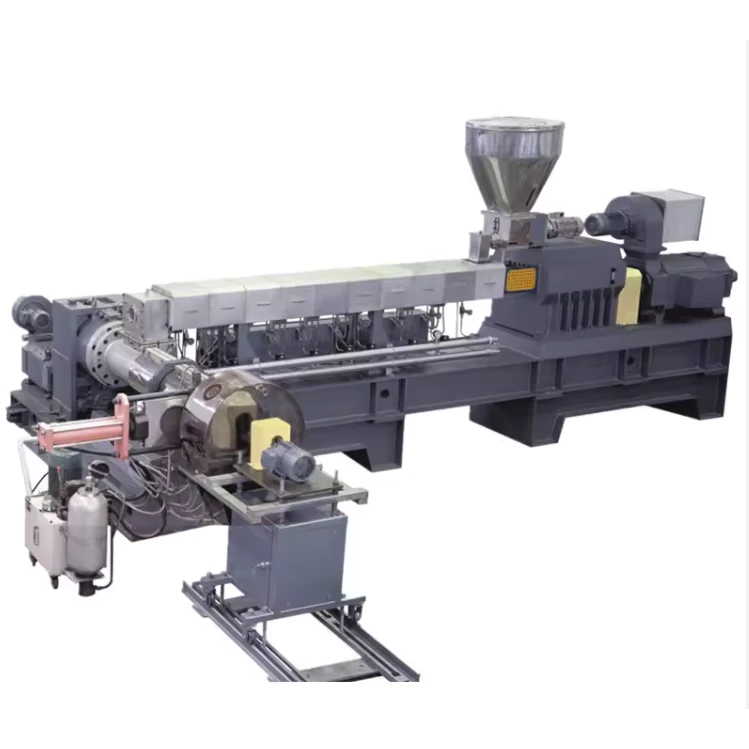
- 熱塑性增韌劑 以顆粒、粉末或母粒形式配混,透過擠出或熔融混合摻入宿主樹脂。
- 奈米填料基增韌劑 需要仔細的表面處理及分散控制,以避免團聚及性能損失。
原料因產品類型而異:
- 用於彈性體改性劑的石化單體及二烯
- 用於核殼系統的丙烯酸單體
- 用於熱固性改性劑的環氧或胺反應性寡聚物
- 用於熱塑性增韌的共聚酯、聚醯胺或熱塑性工程樹脂
- 混合系統中的二氧化矽、矽灰石、碳奈米管及其他礦物或奈米添加劑。
在工業配混中,劑量通常適中但高度依賴配方。報告的例子包括某些ABS衝擊改性劑包的 3% 至 8%,以及更強韌熱塑性或熱固性共混系統的 10% 至 20%,其性能強烈取決於相容性、界面黏附及目標服役溫度。
應用與終端市場
低溫增韌劑用於商品及高性能塑膠。
| 終端使用領域 | 典型宿主樹脂 | 常用增韌方法 | 功能目標 |
|---|---|---|---|
| 結構黏合劑 | 環氧樹脂、甲基丙烯酸酯 | 反應性液體聚合物、核殼橡膠、熱塑性增韌劑 | 在低溫下維持剝離、搭接剪切及衝擊抗力 |
| 複合材料及航太 | 環氧樹脂、乙烯基酯 | 熱塑性增韌劑、奈米混合系統、彈性體改性劑 | 改善斷裂韌性而不過度增加黏度 |
| 汽車零件 | PP、ABS、PA、PVC | 彈性體共混、核殼改性劑、相容劑 | 減少保險桿、殼體、夾具、飾條的脆性斷裂 |
| 寒冷氣候管材及型材 | PVC、CPVC、PP | CPE、丙烯酸改性劑、彈性體衝擊改性劑 | 在低溫下保留衝擊強度及加工流動性 |
| 電氣及電纜化合物 | PVC、聚烯烴系統 | 阻燃相容增韌劑、CPE型改性劑 | 平衡低溫柔韌性與電氣及防火性能 |
| 包裝及消費品 | PLA、PP、ABS | 生物基相容改性劑、彈性體、共混共聚物 | 改善跌落抗力及冷鏈耐久性 |
| 低溫及極端環境系統 | 環氧樹脂複合材料、專用熱塑性塑膠 | 熱塑性增韌劑、低熱膨脹填料、混合系統 | 抵抗嚴重熱收縮下的裂紋 |
幾個系統特別突出:
- 環氧樹脂: 低溫增韌對於黏結結構、塗層、複合材料及修復材料至關重要。混合系統可改善斷裂韌性並維持服役溫度,使其適用於低溫罐、離岸結構及航太修復。
- PVC: 低溫衝擊改性劑如氯化聚乙烯廣泛用於防止剛性及半剛性PVC產品(包括型材、管材、配件及電纜護套)脆化。
- 聚丙烯: 低溫韌性可透過彈性體共混、β成核及粒子或礦物輔助裂紋控制改善;這與汽車及戶外用品相關。
- PLA: 生物基PLA因永續性而具吸引力,但本質上脆;研究顯示,仔細選擇的增韌劑可大幅改善低溫延展性及衝擊強度。
不適合的用途是高負載軟塑化用於高熱結構零件,因為過度柔韌化可能損害熱變形抗力、剛性及長期尺寸穩定性。
環境與永續性面向
低溫增韌劑可改善耐久性,而耐久性本身具有永續價值,因為較長的使用壽命可減少過早失效及材料更換。然而,環境平衡強烈取決於化學品、劑量及生命終期相容性。
關鍵永續性議題包括:
- 可回收性: 若改性劑相容性差或導致再加工時性能漂移,多相配方可能使機械回收複雜化。
- 生物基替代品: PLA及其他生物基聚合物通常需要增韌才能在實際寒冷天氣應用中可行,但改性劑不應損害最終產品的生物基或可堆肥聲明。
- 碳足跡: 添加增韌劑可能增加配方複雜性,但也可實現輕量化及更長壽命,從而降低嚴苛應用中的全生命週期排放。
- 循環設計: 相容化、低劑量及反應性系統通常比高度塑化系統更具吸引力,因為它們保留性能並可改善回收保留率。
最永續的途徑通常是性能最佳化而非最大軟化:使用最小有效改性劑負載、最大化界面效率,並從一開始就設計可回收性。
經濟與全球市場影響
低溫增韌劑的需求由建築、基礎設施、交通運輸、電氣、塗層、黏合劑及冷鏈包裝驅動。成長也受到可再生能源、電動車、輕量化複合材料及寒冷地區基礎設施中高性能塑膠轉變的支持。
市場結構因產品類別而異:
更廣泛衝擊改性劑及增韌劑市場的主要供應商包括 Arkema 等全球大型添加劑公司,以及服務PVC、環氧樹脂及工程熱塑性塑膠的專用配混商及改性劑。
當前挑戰與創新
當前技術挑戰集中在平衡韌性與其他特性:
- 低溫有效性與剛性
- 韌性與耐熱性
- 衝擊抗力與透明度或顏色
- 相容性與回收簡易性
- 改善衝擊強度與熱固性材料加工黏度
有前景的創新方向包括:
- 混合增韌系統,結合橡膠、熱塑性及奈米填料機制
- 成為網絡一部分而非作為遷移性添加劑的反應性改性劑
- 用於灌注、修復及低溫固化製程的低黏度增韌劑
- 半結晶聚合物中的形態工程,如聚丙烯中的β晶促進
- 用於暴露於極端熱收縮複合材料的低溫導向奈米改性
在機制上,該領域正朝向不僅「更軟」,而是更智能的添加劑包:它們在適當的尺度及溫度觸發受控空化、剪切帶及裂紋偏轉。
未來展望
未來需求可能在需要可靠衝擊性能的寒冷或熱循環環境領域上升,尤其是結構黏合劑、能源基礎設施、電動交通、航太複合材料及寒冷氣候消費品。
預期研究將強調:
- 低溫下更好的界面控制
- 添加阻燃性、UV穩定性或電氣性能的多功能改性劑
- 用於循環材料的生物基及低毒性增韌劑
- 在改善零下韌性同時保留可回收性的配方策略
低溫增韌劑將持續重要,只要塑膠必須在普通環境條件之外表現。其價值不僅在於防止脆性斷裂,還在於將聚合物材料的使用範圍延伸至更寒冷、更惡劣及技術要求更高的環境。
摘要
低溫增韌劑是一類多樣的塑膠添加劑及反應性改性劑,可防止聚合物在零下服役條件下發生脆性失效。其有效性取決於形態、界面黏附及激活受控變形機制(如空化、剪切屈服及裂紋偏轉)的能力。它們對於環氧樹脂、PVC、聚丙烯、PLA、ABS及其他聚合物系統至關重要,並日益受到永續性要求、可回收性目標及寒冷氣候及低溫應用中高性能材料需求的影響。
參考文獻
- •
Toughening and strengthening of low-temperature resistant epoxy resins by introducing high-performance thermoplastic resin with phthalazinone structure. (n.d.). ScienceDirect. https://www.sciencedirect.com/science/article/abs/pii/S0032386122011077Link
- •
How low can ultra-low temperature toughening agents go? (n.d.). https://www.jiuju.com/EngineeringPlasticsModification/UltraLowTemperatureTougheningAgents.htmlLink
- •
Recommended solutions. (2019). ChemPoint. https://www.chempoint.com/guides/paraloid-selector-guide/paraloid-by-application/electronicsLink
- •
Poly (lactic acid) blends with excellent low temperature toughness: A comparative study on poly (lactic acid) blends with different toughening agents. (2022, March 15). PubMed. https://pubmed.ncbi.nlm.nih.gov/35077751/Link
- •
強靭化剤は低温性能を向上させることができますか? (2025, August 7). https://www.kgt88.com/ja/blog/can-toughening-agents-improve-low-temperature-performanceLink
- •
High-performance strengthen impact resistant agent series. (2019). GO YEN CHEMICAL INDUSTRIAL CO LTD. https://www.goyenchemical.com/en/product-category/high-value-functional-additive/strengthen-impact-resistant-agent-series/Link
- •
Impact modifiers. (n.d.). Eversun. https://www.espoly.net/Additive/Impact-modifiers/Link
- •
Poly (lactic acid) blends with excellent low temperature toughness. (n.d.). ScienceDirect. https://www.sciencedirect.com/science/article/abs/pii/S0141813022001416Link
- •
High performance toughening agent for thermosetting resins. (n.d.). Arkema. https://plasticadditives.arkema.com/en/innovation/high-performance-toughening-agent-for-thermosetting-resins/Link
- •
Brittleness mechanisms and toughening strategies of epoxy resins at cryogenic temperature. (2026, July 2). PMC. https://pmc.ncbi.nlm.nih.gov/articles/PMC13325330/Link
- •
Ultrahigh low-temperature toughness of polypropylene composites with low ductile-brittle transition temperature by introducing traces of needlelike wollastonite. (2022, September 2). Taylor & Francis. https://www.tandfonline.com/doi/full/10.1080/00222348.2022.2145751Link
- •
FORTEGRA® 100. (2025, June 30). Palmer Holland. https://www.products.palmerholland.com/products/fortegra-100-epoxy-toughening-agentLink
- •
CLEARSTRENGTH® XT 151. (n.d.). Arkema. https://plasticadditives.arkema.com/assets/arkema/Clearstrength%20XT%20151_8-22.pdfLink
- •
复合固化剂协同增韧技术助力超低温结构胶性能突破. (n.d.). https://metalworld.ustb.edu.cn/cn/article/pdf/preview/10.3969/j.issn.1000-6826.2025.05.2202.pdfLink
- •
Low viscosity and low temperature curing reactive POSS/epoxy resin composites with high toughness and thermal stability. (2024, March 1). RSC. https://pubs.rsc.org/en/content/articlehtml/2024/ra/d3ra08390jLink
- •
Toughening thermosets with reactive liquid polymers. (2023, September 5). Polymer Innovation Blog. https://polymerinnovationblog.com/toughening-thermosets-with-reactive-liquid-polymers/Link
- •
The versatility of CPE 135A: Modification mechanism and wide application. (2025, August 20). WSD Chemical. https://www.wsdchemical.com/technical-support/the-versatility-of-cpe-135a--modification-mechanism-and-wide-application.htmlLink
- •
Single-wall carbon nanotubes as attractive toughening agents in alumina-based nanocomposites. (2003, January 19). PubMed. https://pubmed.ncbi.nlm.nih.gov/12652671/Link
- •
Fracture and toughening mechanisms of silica- and core–shell rubber-toughened epoxy at ambient and low temperature. (n.d.). Springer. https://link.springer.com/article/10.1007/s10853-019-03893-yLink
- •
ABS toughening agent – Boost impact strength. (2025, May 31). FlychemTech. https://flychemtech.com/product/abs-toughening-agent/Link
- •
Low temperature impact modifier archives. (n.d.). Compatibilizer. https://compatibilizer.com/th/product-tag/low-temperature-impact-modifier/Link
- •
CLEARSTRENGTH® XT 100. (n.d.). Arkema. https://plasticadditives.arkema.com/assets/arkema/TDS%20Clearstrength%20XT%20100.pdfLink
- •
Products. (2025, June 30). Huntsman. https://products.huntsman.com/products?category=technologies-composite-materials-additives-functional-additives&page=6Link
- •
Polypropylene-elastomer (TPO) nanocomposites. (n.d.). ScienceDirect. https://www.sciencedirect.com/science/article/abs/pii/S0032386111010494Link
- •
10 common plastic toughening agent combination schemes. (2025, April 28). Hoorenwell. https://www.hoorenwell.com/news/376-en.htmlLink
- •
Toughening carbon fibre composites at cryogenic temperatures using low-thermal expansion nanoparticles. (n.d.). ScienceDirect. https://www.sciencedirect.com/science/article/abs/pii/S1359835X21003316Link
- •
CN113429747B - Low-temperature-resistant toughened epoxy resin and preparation method thereof. (2021, August 17). Google Patents. https://patents.google.com/patent/CN113429747B/enLink
- •
A low-temperature resistant high-strength polyethylene material and its preparation method. (2026, January 29). Kerke Extruder. https://www.kerkeextruder.com/news/industry-news/a-low-temperature-resistant-high-strength-polyethylene-material-and-its-preparation-method/Link
- •
Comparison of toughening effects of several common toughening agents and polycarbonate‐polydimethylsiloxane block copolymer on polyvinyl chloride. (n.d.). Wiley. https://onlinelibrary.wiley.com/doi/10.1002/pat.6013Link
- •
Toughening mechanism in impact polypropylene copolymer containing a β-nucleating agent. (n.d.). RSC. https://pubs.rsc.org/en/content/articlelanding/2016/ra/c6ra01046fLink
- •
How POE-g-MAH enhances nylon's mechanical properties. (2025, September 26). https://www.nbinno.com/article/impact-modifier/mechanism-poe-g-mah-nylon-properties-qwLink
- •
What are the methods for low-temperature toughening of PP? (2021, April 22). Polyrocks. https://www.polyrocks.net/news/low-temperature-toughening-pp.htmlLink
- •
Effect of annealing temperature on low-temperature toughness of β-nucleated polypropylene random copolymer/ethylene-propylene-diene terpolymer blends. (n.d.). Springer. https://link.springer.com/article/10.1007/s10118-015-1579-1Link
- •
What is a toughening agent and how does it work in plastics? (2025, July 10). https://www.kgt88.com/blog/what-is-a-toughening-agent-and-how-does-it-work-in-plasticsLink
- •
Compatibilizers. (n.d.). HONSEA. https://en.honsea.com/material_details/6.htmlLink
- •
Great improvement of low‐temperature impact resistance of isotactic polypropylene/ethylene propylene diene monomer rubber blends by traces of carbon nanotubes and β‐nucleating agents. (n.d.). Wiley. https://onlinelibrary.wiley.com/doi/abs/10.1002/pat.4788Link
- •
Low-temperature and dynamic fatigue toughening mechanisms in asphalt. (n.d.). https://www.nlc-bnc.ca/obj/s4/f2/dsk3/ftp04/MQ55931.pdfLink
- •
A morphology-based model to describe the low-temperature impact behavior of rubber-toughened polypropylene. (2021, July 5). PMC. https://pmc.ncbi.nlm.nih.gov/articles/PMC8271767/Link
- •
Copolymer toughening of epoxy resin systems for low temperature cure. (n.d.). https://www.dst.defence.gov.au/sites/default/files/publications/documents/DST-Group-TR-3344.pdfLink
- •
Plastic toughening agent: Advanced formulations and applications. (n.d.). Eureka. https://eureka.patsnap.com/materials/plastic-toughening-agentLink