
Introducción
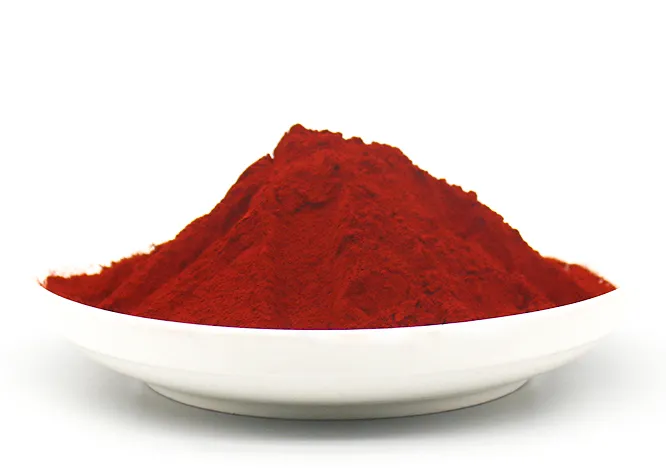
Tinte soluble, in plastics and auxiliaries terminology, are colorantes that are soluble in a selected application medium rather than remaining as discrete insoluble particles. In practice, this category includes water-soluble dyestuffs used in aqueous systems and solvent-soluble dyestuffs used in organic-solvent or polymer-processing systems; the distinction matters because solubility determines processing route, shade development, transparency, fastness, and the range of resins or substrates that can be colored.
Within the plastics value chain, soluble dyestuffs occupy a specialist position between conventional pigmentos and insoluble dispersions. They are valued for high color clarity, low haze, and the ability to color transparent or translucent materials more uniformly than particulate pigmentos, especially in solvent-based inks, recubrimientos, and some polymer and fiber applications. Their performance, however, is strongly constrained by the chemistry of the host medium: a dye that is effective in water may be unsuitable in a nonpolar resin, while a solvent dye that performs well in plastics may not have adequate resistance to heat, light, or migration in demanding end uses.
Historically, soluble dyestuffs developed alongside the broader dye industry as formulators sought colorantes that could be dissolved, not merely dispersed, in the application medium. Modern product families span acid dyes, direct dyes, basic dyes, reactive dyes, and solvent dyes, each tailored to different substrates and processing conditions. Their continuing relevance is tied to transparent plastics, high-definition inks, specialty recubrimientos, and technical textiles, but they are also affected by sustainability pressures, regulatory scrutiny, and the growing preference for lower-migration, more recyclable coloration strategies.
Historia y desarrollo
The commercial history of soluble dyestuffs is closely linked to the evolution of synthetic organic chemistry and textile coloration. Early dye development focused on achieving reliable dissolution in water or other process media, followed by improvements in affinity for fibers and resistance to washing, light, and heat.
Several important developmental trends shaped the field:
- The introduction of water-solubilizing groups such as sulfonate, carboxyl, and related ionic functionalities improved aqueous solubility and enabled broader textile use.
- The later expansion of solvent-soluble dyes opened applications in plastics, oils, ceras, inks, and nonpolar systems, where water-soluble dyes were ineffective.
- Specialized chemistries were developed for higher fastness and more precise performance, including fiber-reactive dyes, metal-complex dyes, and phthalocyanine-based systems.
- In parallel, formulators increasingly had to balance color strength against environmental and toxicological concerns, particularly in industrial sectors with higher exposure potential or stringent migration limits.
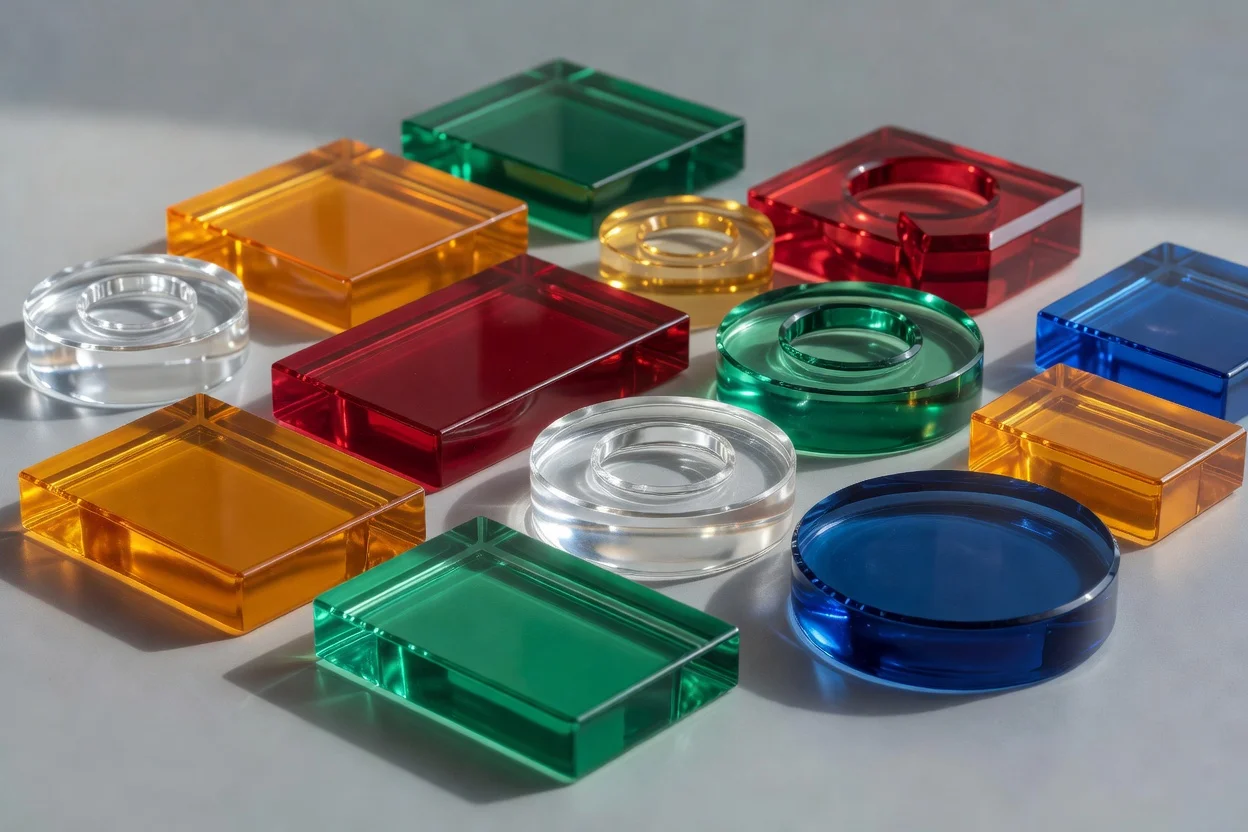
For plastics, the shift from opaque coloration toward transparent, high-gloss, and deeply colored materials increased demand for soluble dyes that could generate vivid coloration without visible particle scattering. This made solvent dyes especially important in polymer masterbatches, inks, and specialty resin systems.
Estructura química y propiedades clave
Soluble dyestuffs are organic molecules whose structure contains chromophoric systems that absorb visible light and substituents that control solubility in the target medium. Their exact structures vary widely, but several recurring design principles are common:
- Hydrophilic groups such as sulfonate or carboxylate enhance water solubility.
- Ionizable cationic or anionic centers help tune dye-fiber interactions and bath behavior.
- Lipophilic substituents and extended aromatic systems increase compatibility with oils, solvents, and hydrophobic polymer environments.
- Chelated or metal-complex structures often improve fastness and stability in selected applications.
Propiedades clave
| Propiedad | Importancia típica en plásticos y auxiliares |
|---|---|
| Solubility in use medium | Determines whether the dye forms a true solution or causes haze, sediment, or filtration issues. |
| Color strength | Affects letdown level and economic dosage in formulations. |
| Transparency | Critical for clear plastics, tinted liquids, and optical effects. |
| Migration resistance | Important for packaging, films, and consumer products. |
| Thermal stability | Needed for polymer processing, where melt temperatures can degrade sensitive dyes. |
| Light fastness | Governs outdoor durability and long-term appearance. |
Limitaciones reales y soluciones prácticas
- Poor heat stability → molecular degradation during melt processing → workaround: choose higher-temperature-stable solvent dyes, reduce residence time, or color through a lower-temperature masterbatch route.
- Migration or bleeding in soft polymers → limited affinity for the matrix → workaround: select higher-molecular-weight dyes, use more polar or more compatible resin systems, or switch to a pigment where permanence is more important than clarity.
- Low light fastness in exposed applications → photo-oxidation of the chromophore → workaround: use absorbedores UV, hindered amine estabilizadores de luz, or a different dye class with better outdoor durability.
- Water-soluble dyes in hydrophobic plastics → poor compatibility with nonpolar matrices → workaround: use solvent dyes or a compatibilized carrier system rather than a purely aqueous dye solution.
Procesos de producción y materias primas
Soluble dyestuffs are manufactured through multi-step organic synthesis, typically beginning with aromatic feedstocks derived from petrochemical or coal-tar value chains, followed by diazotization, coupling, sulfonation, alkylation, condensation, or metal-complex formation depending on the target class.
Principales rutas de fabricación
- Azo dye synthesis: diazotized aromatic amines are coupled with phenolic, naphtholic, or amine-based components to produce a wide range of hues and solubility profiles.
- Sulfonation and neutralization: introduce or convert acidic groups to increase water solubility and control salt form.
- Solvent-dye design: adjusts substituent polarity and aromatic character for dissolution in alcohols, ketones, esters, glycol ethers, and compatible polymers.
- Metal-complex formation: can improve shade depth, stability, or fastness in certain textile and specialty uses.
Materias primas típicas
- Aromatic amines and phenolic coupling components
- Sulfonating agents and neutralizing bases
- Solvents used for synthesis and finishing
- Salts, surfactants, wetting aids, and dispersing or solubilizing auxiliaries
- In some systems, resinous or polymeric carriers for liquid dye preparations
Manufacturers often supply dyestuffs as powders, granules, or liquid concentrates so that formulators can optimize dosing, wet-out, and stock-solution preparation. For aqueous systems, pre-wetting and stock-solution preparation are common to improve solubilization and dosing accuracy.
Aplicaciones y mercados de uso final
Soluble dyestuffs are used where the colorante must dissolve into the application medium or into the substrate phase rather than remain as an insoluble pigment. Their strongest markets are therefore in transparent or fine-detail coloration, specialty recubrimientos, inks, and fiber coloration.
Aplicaciones principales
| Sector | Clase de tinte típica | Rol de proceso habitual |
|---|---|---|
| Textiles | Acid, basic, direct, reactive, metal-complex dyes | Aqueous dye bath or printing paste for fibers such as wool, silk, nylon, acrylic, cotton, and cellulose blends. |
| Plastics | Solvent dyes | Coloring of transparent or translucent resins, sometimes via masterbatch, melt blending, or solution-based addition. |
| Inks and recubrimientos | Water-soluble and solvent-soluble dyestuffs | High-color-strength liquids, packaging inks, and specialty recubrimientos where clarity matters. |
| Paper and packaging | Water-soluble dyestuffs | Liquid colorantes for tinting and printing systems. |
| Biological and analytical staining | Water-soluble dyes | Staining of tissues, cells, and laboratory samples. |
Usos centrados en plásticos
Solvent dyes are especially relevant to plastics because they dissolve in many nonpolar or moderately polar media and yield vivid, transparent coloration. Common use cases include:
- Films and sheets: where color clarity and low haze are essential.
- Bottles and containers: especially translucent personal-care or household packaging, though migration and compliance requirements can be restrictive.
- Cable compounds: where coloration must survive compounding and service conditions.
- Agricultural plastics: where color coding and light-management functions can be needed, although weathering resistance is a constraint.
- Geomembranes and technical liners: where color may be used for identification or product differentiation, but long-term durability matters.
- Rotomolding compounds: where homogeneous coloration is needed in large parts and heat exposure can be significant.
- UHMWPE wear and some medical uses: specialized coloration is possible, but regulatory and biocompatibility constraints are stringent.
- PEX and crosslinked systems: color can be used for product coding or identification, but processing stability must be verified.
A poor-fit use is high-exposure outdoor plastics requiring very long color retention without protective stabilization, because many soluble dyes lose fastness more readily than optimized pigmentos in such applications.
Aspectos ambientales y de sostenibilidad
Sustainability assessment of soluble dyestuffs depends heavily on the chemistry of the specific dye class, the solvent system, and the substrate into which the dye is introduced.
Reciclabilidad y circularidad
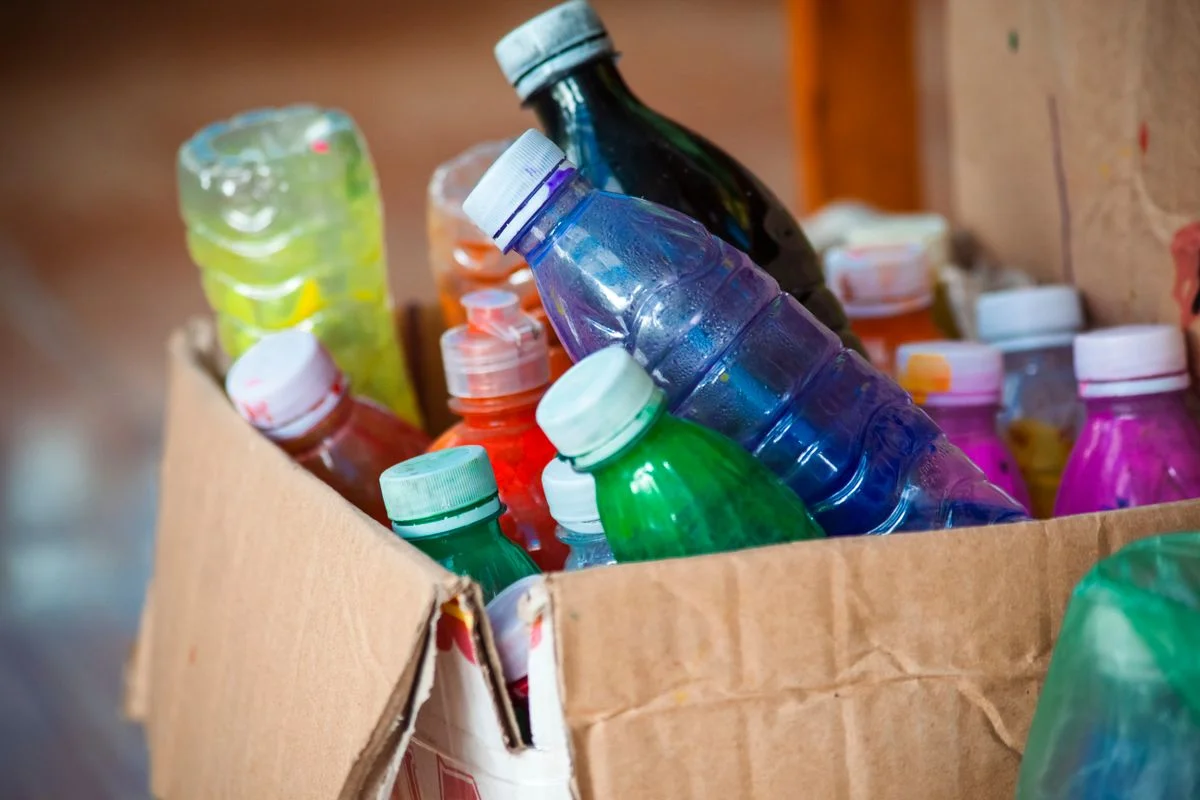
- Dyes can complicate polymer recycling if they migrate, bleed, or affect color sorting consistency.
- In some cases, soluble colorantes are attractive because they can provide deep color at low dosage, which reduces the amount of added material relative to some alternative coloration systems.
- However, for mechanical recycling, stable and predictable color behavior is essential; dyes that bleed or change shade can reduce recyclate value.
Alternativas de base biológica y de menor impacto
- Some dye intermediates and solvents can potentially be derived from bio-based feedstocks, but the final product is still judged by performance, cost, and compliance rather than feedstock origin alone.
- In plastics, the broader industry trend toward lower-emission, lower-migration, and more recyclable formulations often favors robust pigment systems in durable products, while soluble dyes remain important in transparent and specialty applications.
Huella de carbono e impactos del proceso
- Aqueous dyeing systems can consume substantial water, heat, and auxiliaries, especially in textiles.
- Solvent-based coloration can reduce water use but raises concerns about volatile organic compound emissions, solvent recovery, and worker exposure controls.
- The overall footprint is therefore application-specific: the same dye chemistry may be relatively advantageous in one process and less favorable in another.
Impacto económico y en el mercado global
The soluble dye segment is a specialized but globally important part of the colorantes market. Demand is tied to textiles, inks, packaging, specialty plastics, and technical applications where soluble coloration provides visual quality or processing advantages.
Market structure is typically characterized by:
- A mix of multinational colorant producers and regional specialty manufacturers
- Strong formulation know-how, rather than commodity scale alone, as a competitive advantage
- High importance of product consistency, compliance documentation, and application support
Leading suppliers in solvent and water-soluble dye niches include established international colorant companies and specialty chemical producers, with product portfolios often organized by solvent compatibility, fastness, and end-use segment. In plastics, the commercial value is often concentrated in high-performance niche grades rather than bulk tonnage.
Desafíos actuales e innovaciones
Principales desafíos
- Regulatory pressure on hazardous substances, impurities, and migration in consumer and packaging applications.
- Performance trade-offs between solubility, fastness, and thermal stability.
- Compatibility limits in nonpolar or highly crystalline polymers.
- Recycling interference when dyed streams reduce sorting accuracy or recyclate quality.
Direcciones de innovación
- Higher-fastness solvent dyes for plastics and recubrimientos, especially for transparent resins.
- Improved liquid formulations that simplify dosing and improve dispersion or solution stability.
- Specialty dye structures with enhanced resistance to migration, heat, or photobleaching.
- Hybrid coloring systems that combine soluble dyes with pigmentos or estabilizadores to balance clarity and durability.
- Safer-by-design synthesis aimed at reducing problematic intermediates and process residues.
One useful formulation example is the use of a small amount of solvent dye in a polymer-compatible carrier to achieve transparent tinting at low loadings; the molecular mechanism is dissolution in the resin phase rather than light scattering at particle interfaces, which is why transparency is higher than with conventional pigmentos. In aqueous systems, a typical operational practice is to prepare a concentrated stock solution after thorough wet-out, which improves dosing precision and reduces localized overcoloring.
Perspectivas futuras
Soluble dyestuffs will remain important where clarity, solution coloring, and high chroma are more valuable than maximum permanence. Their future in plastics is likely to be strongest in specialty and premium applications such as transparent packaging, liquid colorantes, inks, and technical parts where processing efficiency and visual quality justify the additional formulation complexity.
At the same time, sustainability and recycling requirements will increasingly favor dye systems that are:
- More stable during processing and use
- Easier to document for regulatory compliance
- Less prone to migration, bleed, or recyclate contamination
- Developed with lower-impact synthesis routes and improved solvent management
In broad market terms, soluble dyestuffs are unlikely to displace pigmentos in durable high-lightfastness plastics, but they will continue to be indispensable wherever molecular-level dissolution delivers optical and processing advantages that particulate colorantes cannot match.
Resumen
Tinte soluble are soluble organic colorantes used in water, solvents, or compatible polymer systems to provide vivid, uniform coloration. Their importance in plastics lies in transparent tinting, specialty inks, and high-value formulation systems, while their main limitations are fastness, migration, thermal stability, and environmental compliance.
Referencias
- •
水溶性染料とは何ですか? - ニュース. (2024, April 21). https://ja.rewardcolor.com/news/what-is-a-soluble-dye-76928668.htmlLink
- •
油溶性染料|有機溶剤可溶型染料 - 染料販売 染色加工 の 岩瀬商店 - .... (2020, March 4). https://www.iwase-shoten.co.jp/spilon/Link
- •
染料 - Wikipedia. (2004, March 5). https://ja.wikipedia.org/wiki/%E6%9F%93%E6%96%99Link
- •
溶劑染料 - 維基百科,自由的百科全書. (2024, October 26). https://zh.wikipedia.org/zh-tw/%E6%BA%B6%E5%89%82%E6%9F%93%E6%96%99Link
- •
DYESTUFFS. (n.d.). https://www.prochimicanovarese.it/en-gb/paper-industry/dyestuffsLink
- •
WOOL-482-582-12-T-14.docx. (n.d.). https://www.woolwise.com/wp-content/uploads/2017/07/WOOL-482-582-12-T-14.docxLink
- •
溶媒染料. (2021, November 12). https://jp.lookchem.com/ChemicalCatalog_262133.htmLink
- •
Dyes - Pigments & Colorants - CASE - Orient Corporation of America. (2024, October 26). https://www.knowde.com/stores/orient-corporation-of-america/products?category=technologies-case-ingredients-pigments-colorants-dyes&filters=certifications-compliance-iso-9001Link
- •
2 Azo-colorants in Textile Dyeing and Printing. (n.d.). https://www2.mst.dk/udgiv/publications/1999/87-7909-136-9/html/kap02_eng.htmLink
- •
化学品信息表. (n.d.). https://afirm-group.com/wp-content/uploads/2021/07/afirm_dyes_acid_basic_direct_solvent_Chinese_v2.pdfLink
- •
溶劑染料(Solvent Dyes) 在塑膠著色中的應用與實務. (2024, May 21). https://hwashine.tw/solventdyesLink
- •
Dyestuffs and their use in inks for ink-jet printing processes. (1995, April 7). https://patents.justia.com/patent/5503666Link
- •
紡織染色基礎及常用染料. (2021, November 11). https://www.testextextile.com/zh-TW/basic-knowledge-and-common-dyestuffs-of-textile-dyeing/Link
- •
染料種類小知識. (n.d.). https://www.u-accss.com.tw/Article/View/6f0d9ad3-58bd-4eb8-ab2e-7a930c32cd42Link
- •
認識溶劑染料 - 華翔興業有限公司. (2023, November 15). https://hwashine.tw/solvent-dyesLink
- •
Oil soluble dyestuffs. (2025, March 3). https://patents.google.com/patent/US1996391A/enLink
- •
Azodyestuffs soluble in water. (2003, September 17). https://patents.google.com/patent/US2959582A/enLink
- •
Water-soluble phthalocyanine dyestuffs and process for .... (2007, October 30). https://patents.google.com/patent/US3409633A/enLink
- •
DYSOL™. (n.d.). https://brenntagprod-media.e-spirit.cloud/06432017-be1f-41ce-8d1d-564e2a66d213/documents/emea/united-kingdom/industries/ukbrenntag-colours-dysol.pdfLink
- •
油溶性染料. (2026, August 19). https://www.orientchemical.com/product/one_property02/Link
- •
先進溶劑染料製造商- Skychem 集團. (n.d.). https://skychemi.com/zh-TW/product-category/textile-color-solutions/skysol-solvent-dyes/Link
- •
TECHNICAL BULLETIN. (n.d.). https://www.cottoninc.com/wp-content/uploads/2017/12/ISP-1015-Chemistry-of-Fiber-Reactive-Reactive-Disperse-Dyes-in-the-Printing-Process.pdfLink
- •
Azo dyes having improved solubility in organic solvent. (n.d.). https://data.epo.org/publication-server/rest/v1.0/publication-dates/19911002/patents/EP0449650NWA2/document.pdfLink
- •
[PDF] 分散染料の可溶化によるインク開発 - 東京都立産業技術研究センター. (n.d.). https://www.iri-tokyo.jp/uploaded/attachment/686.pdfLink
- •
Microsoft Word - 31ponovo.docx. (n.d.). https://pdfs.semanticscholar.org/b7c5/f78d2ba775ad71ab22a95d0a868f942a46f5.pdf?skipShowableCheck=trueLink
- •
Factors Affecting Synthetic Dye Adsorption; Desorption Studies. (2021, September 6). https://pmc.ncbi.nlm.nih.gov/articles/PMC8433845/Link
- •
Water-soluble dyestuffs and process for preparing them. (2025, March 3). https://patents.google.com/patent/US3278549A/enLink
- •
水溶性染料 - オリヱント化学工業株式会社. (2025, December 11). https://www.orientchemical.com/product/one_property01/Link
- •
Water soluble cationic azo dyestuffs. (n.d.). https://patents.justia.com/patent/4167509Link
- •
染料 - 維基百科,自由的百科全書. (2005, February 21). https://zh.wikipedia.org/zh-tw/%E6%9F%93%E6%96%99Link
- •
新・講座. (n.d.). https://www.jstage.jst.go.jp/article/kakyoshi/68/10/68_420/_pdfLink
- •
Solubility of Disperse and Mordant Dyes in Supercritical CO2. (1998, December 3). https://pubs.acs.org/doi/10.1021/je980157vLink
- •
Egypt.J.Chem. Vol. 61, No.5 pp.897- 937 (2018). (n.d.). https://ejchem.journals.ekb.eg/article_9019_ae0d2fa7e890fd9975350ce9c94a88fe.pdfLink
- •
Solubilities of disperse dyes of blue 79, red 153, and yellow 119 in supercritical carbon dioxide. (n.d.). https://www.sciencedirect.com/science/article/abs/pii/S0896844601000754Link
- •
可溶染料. (n.d.). https://www.chinaplasonline.com/eMarketplace/ProductInfo/trad?compid=1013617&seqid=15066&actionlink=trueLink
- •
Water-soluble monoazodyes containing a ureido group and two sulfonyl fiber-reactive groups, process for their preparation and their use - European Patent Office - EP 0265857 A1. (n.d.). https://data.epo.org/publication-server/rest/v1.2/publication-dates/19880504/patents/EP0265857NWA1/document.pdfLink
- •
作为极端环境用表面活性剂/添加剂的二(全氟烷基磺酰基)酰亚胺及其盐,以及使用方法. (2002, March 12). https://patents.google.com/patent/CN1509204A/zhLink