

簡介
潤滑劑是用來減少移動表面之間摩擦、熱量和磨損的物質,也用作某些工業配方中的加工助劑或載體。在塑膠中,潤滑劑是特別重要的輔助劑,因為它們能改善熔體流動、減少模頭堆積和黏附、限制內部和外部摩擦,並幫助控制在擠出、射出成型、壓延和其他成形操作期間的表面光潔度。
從塑膠產業的角度來看,潤滑劑不是單一材料類別,而是一個功能性家族,包括金屬皂、蠟、脂肪醯胺、酯基<class category-169>添加劑</category-169>、矽基材料,以及<class category-191>固體潤滑劑</category-191>,例如<class category-335>PTFE</category-335>或石墨,視聚合物系統和最終用途需求而定。它們的作用不僅限於摩擦學:它們還能影響熔融行為、脫模、尺寸穩定性和長期性能,同時也會在黏附性、可印刷性和可回收性方面造成配方上的權衡。
歷史與發展
潤滑是一項古老的工程概念,但現代工業潤滑劑隨著機械、聚合物加工和添加劑化學的興起而演進。在塑膠中,隨著高通量擠出和射出成型需要更嚴格控制摩擦、熱穩定性和釋放行為,潤滑劑變得特別重要。
合成基礎油、工程<class category-201>蠟</category-201>和專用<class category-169>添加劑</category-169>的開發,將潤滑劑設計從簡單的「滑動」劑擴展為高度客製化的加工工具。最近,可持續性考量推動了對低毒性、無PFAS和生物基潤滑劑化學的興趣,以及支援回收和減少循環塑膠系統污染的配方。
化學結構與關鍵特性
在塑膠中,「潤滑劑」一詞通常指功能性添加劑,而非單一化學身份。性能取決於分子的極性、分子量、熔點、結晶度和與宿主聚合物的相容性。
常見潤滑劑家族包括:
- 蠟,例如<class category-201>石蠟</category-201>和<class category-201>聚乙烯蠟</category-201>,可減少金屬和聚合物摩擦,並促進釋放。
- 脂肪酸衍生物,例如硬脂酸鹽和醯胺,會向表面遷移並形成低剪切邊界膜。
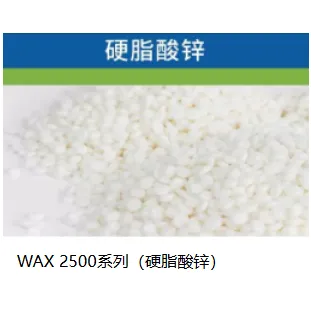
- 金屬皂,例如硬脂酸鈣和硬脂酸鋅,通常在<class category-313>PVC</category-313>系統中同時充當潤滑劑和酸捕捉劑。
- 矽酮,提供極低表面能和持久滑動性。
- 固體潤滑劑,例如石墨、二硫化鉬和<class category-335>PTFE</category-335>,用於嚴重摩擦或溫度條件使液體潤滑不適合的場合。
塑膠中的典型性能限制包括:
- 相容性差 → 相分離或霧度 → 使用更相容的酯、醯胺或<class category-201>蠟</category-201>配方。
- 過度潤滑 → 焊接強度或層間黏附降低 → 降低劑量或從外部潤滑轉為內部潤滑。
- 遷移或噴霜 → 表面污染和印刷/塗漆缺陷 → 選擇較高分子量或更極性的潤滑劑。
- 加工溫度下的熱降解 → 氣味、變色或沉積物形成 → 使用熱穩定的合成潤滑劑和抗氧化劑配方。
聚合物加工中有用的區別是內部潤滑劑(降低熔體黏度和聚合物內分子間摩擦)與外部潤滑劑(降低熔體與金屬表面如<class category-124>螺桿</category-124>、機筒、模頭和模具之間的黏附)。
生產製程與原料
塑膠用潤滑劑由多種原料途徑製造:
- 石化途徑,提供礦物油、蠟和許多合成基礎油。
- 油化途徑,將天然脂肪和油轉化為脂肪酸、脂肪醇、醯胺、酯和金屬鹽。
- 聚合物基途徑,生產聚乙烯<class category-201>蠟</category-201>和相關專用<class category-201>蠟</category-201>,用於母粒和混煉。
- 無機和礦物途徑,提供石墨、滑石相關滑動系統和其他固體潤滑劑材料。
實際上,潤滑劑選擇通常在混煉階段進行,調整劑量、粒徑、熔融曲線和與基礎樹脂的相容性,以滿足加工需求。塑膠中的典型用量通常很低,往往在百分之零點幾到百分之幾的範圍內,因為過量裝載可能損害機械性能或下游黏合;確切水平取決於樹脂、製程和目標效果。
應用與終端市場
在塑膠中,潤滑劑最常作為加工助劑或性能改質劑使用,而非獨立商品。它們的通常功能和適用性因樹脂系統和製程而異。
| 應用領域 | 典型潤滑劑角色 | 常見潤滑劑類型 | 備註 |
|---|---|---|---|
| PVC管材、型材、電纜 | 外部和內部潤滑、熔融控制、模頭釋放 | 硬脂酸鈣、硬脂酸鋅、蠟 | 非常重要,因為<class category-313>PVC</category-313>加工窗口狹窄 |
| 聚烯烴擠出和<class category-247>母粒</category-247> | 流動改善、滑動、脫模 | 蠟、醯胺、PE蠟、矽酮 | 常用於減少模頭堆積和黏附 |
| 射出成型 | 脫模和模腔釋放 | 蠟混合物、硬脂酸鹽、矽酮 | 支持縮短週期時間 |
| 薄膜和軟包裝 | 滑動和抗黏平衡 | 脂肪醯胺、蠟 | 潤滑劑選擇影響摩擦係數和密封性 |
| 工程塑膠和熱塑性化合物 | 脫模和耐磨 | PTFE、石墨、二硫化鉬 | 用於摩擦和熱量嚴重的場合 |
| 橡膠和彈性體化合物 | 加工助劑和釋放 | 蠟、皂、內部潤滑劑 | 改善碾磨和擠出行為 |
| 食品接觸和專用配方 | 受控釋放、符合法規的性能 | 食品級<class category-169>添加劑</category-169>、選定合成潤滑劑 | 需要嚴格法規審查 |
一個不適合的用途是結構黏合劑或塗漆黏合的塑膠零件,因為需要強烈的表面潤濕;在這種情況下,過多潤滑劑會降低黏附力並造成表面缺陷。
環境與可持續性方面
潤滑劑以兩種相反的方式影響塑膠的可持續性。一方面,它們可以減少加工能量、提高機器效率、降低廢料率,並透過減少磨損和摩擦延長設備壽命。另一方面,某些潤滑劑化學可能使回收變得複雜、提高VOC或氣味問題,或造成表面污染,干擾再熔融、混煉或消費後再加工。
關鍵可持續性問題包括:
- 可回收性:過度遷移、噴霜或不相容的潤滑劑殘留物可能干擾回收樹脂的熔體過濾、顏色一致性和黏附。
- 生物基替代品:從可再生油脂衍生的油化潤滑劑日益用作某些石油衍生化學品的替代品,儘管必須驗證性能和氧化穩定性。
- 碳足跡:較低的加工溫度、較低的摩擦和減少的廢料可以減少能源使用,但生命週期效益取決於原料來源和應用效率。
- 化學安全:法規壓力增加了對氟化和其他持久性化學品的關注,鼓勵某些領域開發無PFAS潤滑劑。
經濟與全球市場影響
潤滑劑是塑膠價值鏈中的跨領域推動者,因為它們影響產量、品質和工具壽命,而非作為成品聚合物產品出現。需求與擠出、包裝、汽車、電纜、消費品、建築和電子產品的成長相關,所有這些都依賴受控加工和一致的表面特性。
整體上最大的潤滑劑消費部門是工業和汽車應用,而塑膠加工代表專用需求的重要子集。全球領先的潤滑劑生產商包括綜合石油和專用化學公司,但塑膠加工領域也受到添加劑專家塑造,他們為特定樹脂配製<class category-201>蠟</category-201>、皂和客製化加工包。
當前挑戰與創新
當前技術挑戰包括:
- 平衡潤滑與焊線強度和黏合性能;
- 防止遷移、噴霜和析出;
- 在高速混煉中維持熱穩定性;
- 確保與回收聚合物的相容性;
- 符合日益嚴格的食品接觸和環境法規。
創新聚焦於:
- 多功能添加劑包,結合潤滑與穩定或酸捕捉;
- 生物基酯潤滑劑,具有改善的可持續性概況;
- 低氣味、低遷移配方,適用於包裝和消費品;
- 無PFAS固體潤滑劑系統,適用於要求嚴格的工業用途;
- 回收相容潤滑劑,設計用於最小化污染並保留樹脂價值。
一個實用配方範例是低劑量硬脂酸鈣在<class category-313>PVC</category-313>中,它可作為內部/外部潤滑劑和酸捕捉劑,幫助減少熔融應力並穩定加工;機制是形成低剪切界面層並捕捉酸性副產物。另一個常見範例是薄膜中的脂肪醯胺滑動<class category-169>添加劑</category-169>,它會遷移到表面並形成邊界膜,降低摩擦並改善處理。
未來展望
隨著轉換商追求更高的產出、更嚴格的公差和更循環的原料,潤滑劑仍將是塑膠加工的必要元素。最重要的未來發展可能是與回收聚合物更好的相容性、更多可再生原料、改善的法規概況,以及更多多功能系統,在不犧牲製程控制的情況下減少添加劑複雜性。
在更廣泛的塑膠生態系統中,潤滑劑正變得具有戰略意義,而非純粹的輔助劑:它們影響能源效率、廢料產生、下游轉換性和使用回收或生物基材料的经济可行性。
摘要
潤滑劑是不可或缺的塑膠輔助劑,能減少摩擦、改善加工,並在擠出、成型、薄膜、管材、電纜和專用混煉中支援最終零件性能。它們的重要性在於微妙的平衡:潤滑不足會增加摩擦和磨損,而過多則可能損害黏附性、回收性或表面品質。
參考文獻
- •
Merriam-Webster. (n.d.). Lubricant. https://www.merriam-webster.com/dictionary/lubricantLink
- •
U.S. Energy Information Administration. (n.d.). Lubricants. In Glossary. https://www.eia.gov/tools/glossary/index.php?id=LubricantsLink
- •
Lubricant. (n.d.). In Wikipedia. https://en.wikipedia.org/wiki/LubricantLink
- •
Merriam-Webster. (n.d.). Lubricants. https://www.merriam-webster.com/dictionary/lubricantsLink
- •
Lubricant. (n.d.). In Cambridge English dictionary. https://dictionary.cambridge.org/us/dictionary/english/lubricantLink
- •
Lubricant. (n.d.). In Collins English dictionary. https://www.collinsdictionary.com/us/dictionary/english/lubricantLink
- •
The Home Depot. (n.d.). Best lubricants for your project. https://www.homedepot.com/c/ah/best-lubricants-for-your-project/9ba683603be9fa5395fab9010ba3ec56Link
- •
Lubricant. (n.d.). In Dictionary.com. https://www.dictionary.com/browse/lubricantLink
- •
Lubrication. (n.d.). In Encyclopaedia Britannica. https://www.britannica.com/technology/lubricationLink
- •
Idemitsu Kosan Co. (n.d.). What is lubricant? https://www.idemitsu.com/en/business/lube/about/index.htmlLink
- •
WEICON. (n.d.). What are lubricants? https://www.weicon.de/en/applications/lubricate-care/what-are-lubricants/Link
- •
RS Components. (n.d.). Lubricants. https://nl.rs-online.com/web/c/facilities-cleaning-maintenance/greases-oils-lubricants/lubricants/Link
- •
Tameson. (n.d.). Lubricant types, uses, and functions. https://tameson.com/pages/lubricantsLink
- •
Repsol. (n.d.). What type of lubricants are there? https://lubricants.repsol.com/en/support/cuales-son-los-tipos-de-lubricantes-que-existen/Link
- •
VAIA. (n.d.). Lubricants. https://www.vaia.com/en-us/explanations/engineering/design-engineering/lubricants/Link
- •
IntechOpen. (2020). Lubricant and lubricant additives. https://www.intechopen.com/chapters/73333Link
- •
OKS Spezialschmierstoffe GmbH. (n.d.). Types of lubricants. https://www.oks-germany.com/en/tribology/types-of-lubricants/Link
- •
United Nations Population Fund. (n.d.). Safe lubricants. https://www.unfpa.org/sites/default/files/pub-pdf/UNFPA_Lubricants%20Specs_web%20v2.pdfLink
- •
Lubricant. (n.d.). In Longman dictionary of contemporary English. https://www.ldoceonline.com/dictionary/lubricantLink
- •
Lubricant. (n.d.). In Oxford learner's dictionaries. https://www.oxfordlearnersdictionaries.com/definition/english/lubricantLink
- •
Danish Environmental Protection Agency. (2024). PFAS and fluorine-free alternatives in lubricants and construction products. https://www2.mst.dk/Udgiv/publications/2024/01/978-87-7038-527-5.pdfLink
- •
DoITPoMS. (n.d.). Lubrication - introduction and types of lubricants. https://www.doitpoms.ac.uk/tlplib/tribology/lubrication.phpLink
- •
Healthline. (2017). Your guide to lube for sex: Types, how to use, and more. https://www.healthline.com/health/healthy-sex/lube-shopping-guide-typesLink
- •
Wirecutter. (2024). The 8 best personal lubricants of 2026. The New York Times. https://www.nytimes.com/wirecutter/reviews/best-personal-lubricants/Link
- •
Aramco. (n.d.). Lubricants. https://www.aramco.com/en/what-we-do/energy-products/refined-products/lubricantsLink
- •
RFSU. (n.d.). Lubricant guide. https://www.rfsu.com/en/inspiration/guides/lubricant-guide-choose-the-right-lube/Link
- •
Boots. (n.d.). What is lube, and which type is best for you? https://www.boots.com/healthhub/sexual-health/lubricants-adviceLink
- •
Ubie Health. (n.d.). Stop! Wrong lube risks: Doctor’s guide to personal lubricants. https://ubiehealth.com/doctors-note/choose-right-lubricant-guide-water-silicone-oil-572e11Link
- •
Petro Online. (2022). What are the different types of lubricants? https://www.petro-online.com/news/measurement-and-testing/14/breaking-news/what-are-the-different-types-of-lubricants/57258Link
- •
Lubricant. (n.d.). In Cambridge English-German dictionary. https://dictionary.cambridge.org/us/dictionary/english-german/lubricantLink
- •
Society of Tribologists and Lubrication Engineers. (n.d.). Selecting the correct lubricant. https://www.stle.org/images/pdf/STLE_ORG/BOK/LS/Additives/Selecting%20the%20Correct%20Lubricant_tlt%20article_March08.pdfLink
- •
Verywell Health. (2025). How to choose the right lube for comfort and protection. https://www.verywellhealth.com/what-is-lube-11745359Link
- •
Healthline. (2018). Types of lube. https://www.healthline.com/health/healthy-sex/vaginal-lubricantsLink
- •
Long Beach Health Department. (n.d.). Fact sheet: What to know about lubricant. https://www.longbeach.gov/globalassets/health/media-library/documents/diseases-and-condition/information-on/hiv-aids/fact-sheet---what-to-know-about-lubricantLink
- •
Woodford, C. (2008). How lubricants work. https://www.explainthatstuff.com/lubricants.htmlLink
- •
Lubrication. (n.d.). In Encyclopaedia Britannica. https://www.britannica.com/summary/lubricationLink
- •
PMC. (n.d.). Approach to lubricant use for sexual activity. National Institutes of Health. https://pmc.ncbi.nlm.nih.gov/articles/PMC12312864/Link
- •
Britannica dictionary. (n.d.). Lubricant. https://www.britannica.com/dictionary/lubricantLink
- •
PMC. (n.d.). Lubricants for the promotion of sexual health and well-being. National Institutes of Health. https://pmc.ncbi.nlm.nih.gov/articles/PMC8942543/Link
- •
International Society for Sexual Medicine. (n.d.). What is a lubricant? https://www.issm.info/sexual-health-qa/what-is-a-lubricantLink
- •
Grainger. (n.d.). Industrial lubricants: Types, uses and how to spot problems. https://www.grainger.com/know-how/equipment/kh-industrial-lubricants-guideLink
- •
National Cancer Institute. (n.d.). Lubricant. In NCI dictionary of cancer terms. https://www.cancer.gov/publications/dictionaries/cancer-terms/def/lubricantLink