

引言
润滑剂是用于减少运动表面之间摩擦、热量和磨损的物质,也用作某些工业配方中的加工助剂或载体。在塑料中,润滑剂是特别重要的助剂,因为它们能改善熔体流动、减少口模积料和粘连、限制内外部摩擦,并在挤出、注塑、压延和其他成型操作中帮助控制表面光洁度。
从塑料行业的角度来看,润滑剂不是单一材料类别,而是一个功能家族,包括金属皂、蜡、脂肪酰胺、酯基<class category-169>添加剂</category-169>、硅基材料,以及<class category-191>固体润滑剂</category-191>如<class category-335>PTFE</category-335>或石墨,具体取决于聚合物体系和最终用途要求。它们的作用超越了摩擦学:它们可以影响熔融行为、脱模、尺寸稳定性和长期性能,同时也会在粘附性、可印刷性和可回收性方面产生配方权衡。
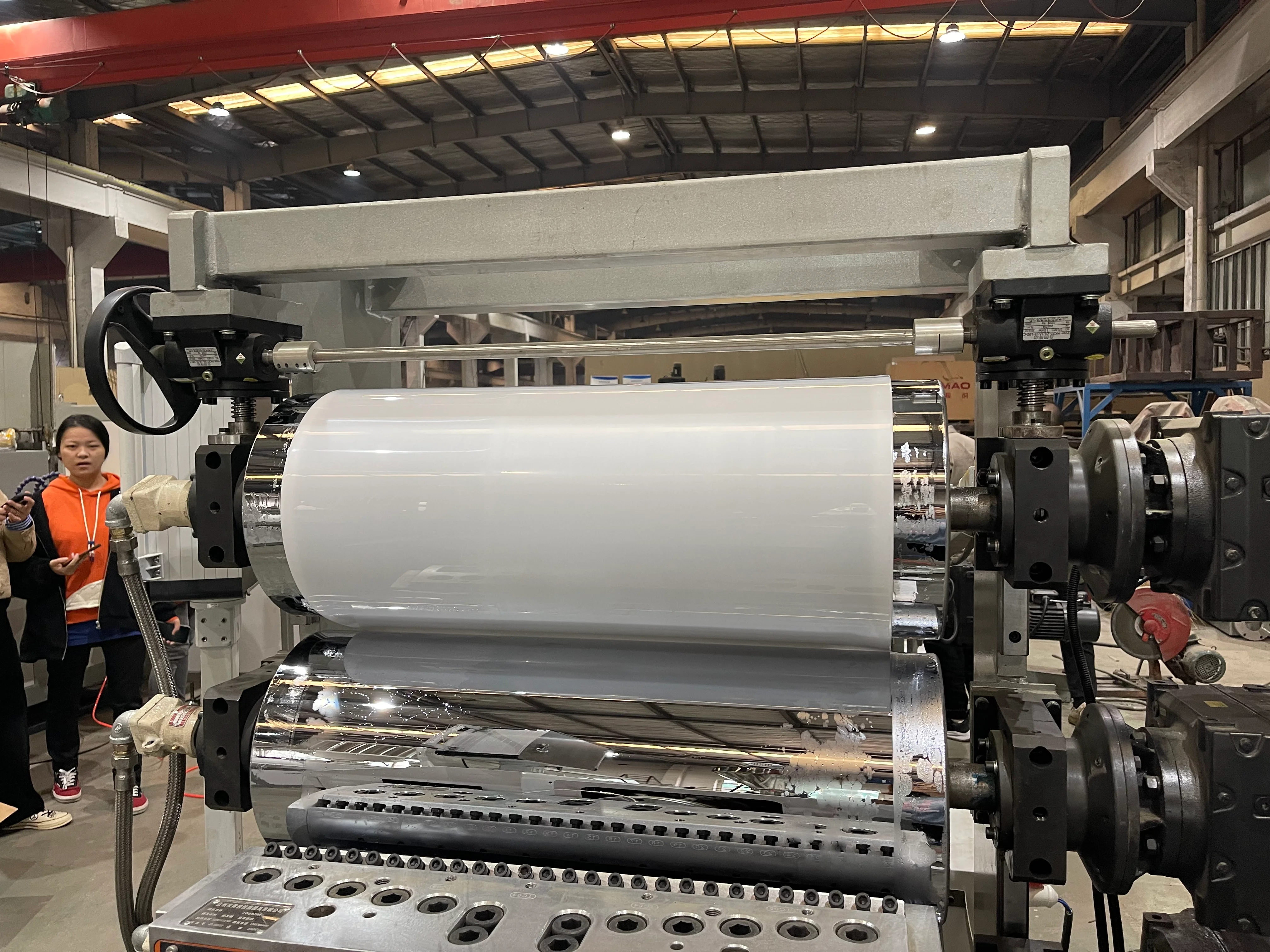
历史与发展
润滑是一个古老的工程概念,但现代工业润滑剂随着机械、聚合物加工和添加剂化学的兴起而发展。在塑料中,随着高通量挤出和注塑成型要求对摩擦、热稳定性和脱模行为进行更严格的控制,润滑剂变得尤为重要。
合成基础油、工程<class category-201>蜡</category-201>和特种<class category-169>添加剂</category-169>的开发,将润滑剂设计从简单的“滑移”剂扩展为高度定制的加工工具。最近,可持续性问题推动了对低毒性、无PFAS和生物基润滑剂化学的兴趣,以及支持回收和减少循环塑料系统中污染的配方。
化学结构与关键性能
在塑料中,润滑剂一词通常指功能添加剂,而非单一化学身份。性能取决于分子的极性、分子量、熔点、结晶度和与宿主聚合物的相容性。
常见润滑剂家族包括:
- 蜡,如<class category-201>石蜡</category-201>和<class category-201>聚乙烯蜡</category-201>,可减少金属和聚合物摩擦并促进脱模。
- 脂肪酸衍生物,如硬脂酸盐和酰胺,它们会向表面迁移并形成低剪切边界膜。
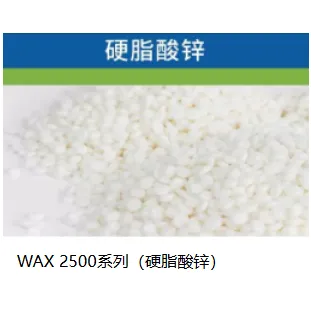
- 金属皂,如硬脂酸钙和硬脂酸锌,通常在<class category-313>PVC</category-313>体系中同时充当润滑剂和酸捕捉剂。
- 硅酮,提供极低的表面能和持久滑移。
- 固体润滑剂,如石墨、二硫化钼和<class category-335>PTFE</category-335>,用于液体润滑不适用的严重摩擦或温度条件。
塑料中的典型性能限制包括:
- 相容性差 → 相分离或雾度 → 使用更相容的酯、酰胺或<class category-201>蜡</category-201>包。
- 润滑过度 → 焊缝强度或层间粘附降低 → 降低剂量或从外部润滑转向内部润滑。
- 迁移或喷霜 → 表面污染和印刷/涂装缺陷 → 选择更高分子量或更极性的润滑剂。
- 加工温度下热降解 → 气味、变色或沉积物形成 → 使用热稳定的合成润滑剂和抗氧化剂包。
聚合物加工中一个有用的区分是内部润滑剂(降低熔体粘度和聚合物分子间摩擦)和外部润滑剂(降低熔体与金属表面如<class category-124>螺杆</category-124>、<class category-117>机筒</category-117>、口模和模具之间的粘附)。
生产工艺与原料
塑料用润滑剂通过几种原料途径制造:
- 石化路线,提供矿物油、<class category-201>蜡</category-201>和许多合成基础油。
- 油脂化学路线,将天然油脂转化为脂肪酸、脂肪醇、酰胺、酯和金属盐。
- 聚合物基路线,生产聚乙烯<class category-201>蜡</category-201>和相关特种<class category-201>蜡</category-201>,用于母粒和混炼。
- 无机和矿物路线,提供石墨、<class category-266>滑石</category-266>相关滑移体系和其他固体润滑剂材料。
实际上,润滑剂选择通常在混炼阶段进行,剂量、粒径、熔融曲线和与基础树脂的相容性会根据加工需求进行调整。塑料中的典型用量通常很低,往往在百分之几到百分之几的范围内,因为过量加载会损害机械性能或下游粘接;确切水平取决于树脂、工艺和目标效果。
应用与终端市场
在塑料中,润滑剂最常作为加工助剂或性能改性剂使用,而不是作为独立商品。其通常功能和适用性因树脂体系和工艺而异。
| 应用领域 | 典型润滑剂作用 | 常见润滑剂类型 | 备注 |
|---|---|---|---|
| PVC管材、型材、电缆 | 外部和内部润滑、熔融控制、口模脱模 | 硬脂酸钙、硬脂酸锌、<class category-201>蜡</category-201> | 非常重要,因为<class category-313>PVC</category-313>加工窗口狭窄 |
| 聚烯烃挤出和<class category-247>母粒</category-247> | 流动改善、滑移、脱模 | <class category-201>蜡</category-201>、酰胺、<class category-311>PE</category-311><class category-201>蜡</category-201>、硅酮 | 常用于减少口模积料和粘连 |
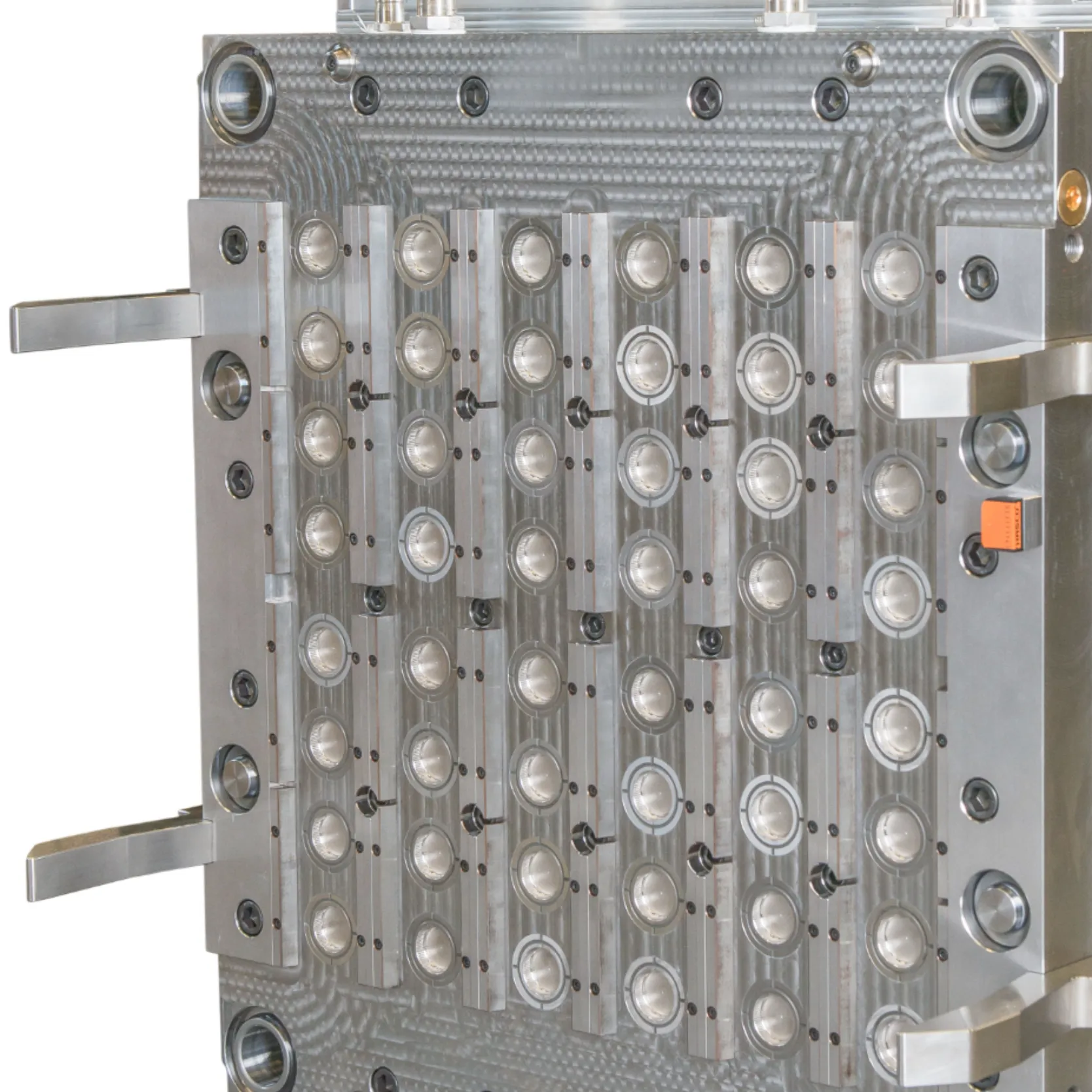
| 注塑成型 | 脱模和型腔释放 | <class category-201>蜡</category-201>共混物、硬脂酸盐、硅酮 | 支持缩短周期时间 |
| 薄膜和柔性包装 | 滑移和防粘平衡 | 脂肪酰胺、<class category-201>蜡</category-201> | 润滑剂选择影响摩擦系数和密封性 |
| 工程塑料和热塑性化合物 | 脱模和耐磨 | <class category-335>PTFE</category-335>、石墨、二硫化钼 | 用于摩擦和热量严重的场合 |
| 橡胶和弹性体化合物 | 加工助剂和脱模 | <class category-201>蜡</category-201>、皂类、内部润滑剂 | 改善混炼和挤出行为 |
| 食品接触和特种配方 | 受控释放、合规敏感性能 | 食品级<class category-169>添加剂</category-169>、精选合成润滑剂 | 需要严格的法规审查 |
一个不合适的用途是结构胶粘剂或涂漆塑料部件,因为需要强表面润湿;在这种情况下,过多润滑剂会降低粘附力并导致表面缺陷。
环境与可持续性方面
润滑剂以两种相反的方式影响塑料的可持续性。一方面,它们可以减少加工能耗、提高机器效率、降低废品率,并通过减少磨损和摩擦延长设备寿命。另一方面,某些润滑剂化学品会使回收复杂化、引发VOC或气味问题,或产生干扰再熔融、混炼或消费后再加工的表面污染。
关键可持续性问题包括:
- 可回收性: 过度迁移、喷霜或不相容润滑剂残留会干扰回收树脂的熔体过滤、颜色一致性和粘附。
- 生物基替代品: 从可再生油脂中提取的油脂化学润滑剂越来越多地用作某些石油衍生化学品的替代品,尽管性能和氧化稳定性必须经过验证。
- 碳足迹: 较低加工温度、较低摩擦和减少废品可以降低能耗,但生命周期效益取决于原料来源和应用效率。
- 化学安全: 对氟化物和其他持久性化学品的监管压力增加,鼓励某些行业开发无PFAS润滑剂。
经济与全球市场影响
润滑剂是塑料价值链中的交叉赋能者,因为它们影响吞吐量、质量和模具寿命,而不是作为成品聚合物产品出现。需求与挤出、包装、汽车、电缆、消费品、建筑和电子产品的增长相关,所有这些都依赖于受控加工和一致的表面性能。
总体上最大的润滑剂消费部门是工业和汽车应用,塑料加工代表了特种需求的重要子集。全球领先的润滑剂生产商包括综合石油和特种化学公司,但塑料加工领域也受到添加剂专家的影响,这些专家为特定树脂配制<class category-201>蜡</category-201>、皂类和定制加工包。
当前挑战与创新
当前技术挑战包括:
- 平衡润滑与焊缝强度和粘接性能;
- 防止迁移、喷霜和析出;
- 在高速混炼中保持热稳定性;
- 确保与回收聚合物的相容性;
- 满足日益严格的食品接触和环境法规。
创新重点在于:
- 多功能添加剂包,将润滑与稳定或酸捕捉相结合;
- 生物基酯润滑剂,具有更好的可持续性特征;
- 低气味、低迁移配方,用于包装和消费品;
- 无PFAS固体润滑剂系统,用于苛刻的工业用途;
- 回收相容润滑剂,旨在最大限度减少污染并保留树脂价值。
一个实际配方示例是在<class category-313>PVC</category-313>中低添加量的硬脂酸钙,它可以作为内部/外部润滑剂和酸捕捉剂,帮助减少熔融应力并稳定加工;机理是形成低剪切界面层并捕获酸性副产物。另一个常见示例是薄膜中的脂肪酰胺滑移<class category-169>添加剂</category-169>,它会迁移到表面并形成边界膜,从而降低摩擦并改善处理性能。
未来展望
随着转换商追求更高的产量、更严格的公差和更循环的原料,润滑剂仍将是塑料加工的必需品。最重要的未来发展可能是与回收聚合物更好的相容性、更多可再生原料、改进的法规概况,以及更多多功能系统,这些系统在不牺牲工艺控制的情况下减少添加剂复杂性。
在更广泛的塑料生态系统中,润滑剂正变得具有战略意义,而不仅仅是辅助性:它们影响能源效率、废品产生、下游可转换性,以及使用回收或生物基材料的经济可行性。
总结
润滑剂是不可或缺的塑料助剂,可减少摩擦、改善加工,并支持挤出、成型、薄膜、管材、电缆和特种混炼的最终部件性能。其重要性在于微妙的平衡:润滑不足会增加摩擦和磨损,而过多则会损害粘附性、回收性或表面质量。
参考文献
- •
Merriam-Webster. (n.d.). Lubricant. https://www.merriam-webster.com/dictionary/lubricantLink
- •
U.S. Energy Information Administration. (n.d.). Lubricants. In Glossary. https://www.eia.gov/tools/glossary/index.php?id=LubricantsLink
- •
Lubricant. (n.d.). In Wikipedia. https://en.wikipedia.org/wiki/LubricantLink
- •
Merriam-Webster. (n.d.). Lubricants. https://www.merriam-webster.com/dictionary/lubricantsLink
- •
Lubricant. (n.d.). In Cambridge English dictionary. https://dictionary.cambridge.org/us/dictionary/english/lubricantLink
- •
Lubricant. (n.d.). In Collins English dictionary. https://www.collinsdictionary.com/us/dictionary/english/lubricantLink
- •
The Home Depot. (n.d.). Best lubricants for your project. https://www.homedepot.com/c/ah/best-lubricants-for-your-project/9ba683603be9fa5395fab9010ba3ec56Link
- •
Lubricant. (n.d.). In Dictionary.com. https://www.dictionary.com/browse/lubricantLink
- •
Lubrication. (n.d.). In Encyclopaedia Britannica. https://www.britannica.com/technology/lubricationLink
- •
Idemitsu Kosan Co. (n.d.). What is lubricant? https://www.idemitsu.com/en/business/lube/about/index.htmlLink
- •
WEICON. (n.d.). What are lubricants? https://www.weicon.de/en/applications/lubricate-care/what-are-lubricants/Link
- •
RS Components. (n.d.). Lubricants. https://nl.rs-online.com/web/c/facilities-cleaning-maintenance/greases-oils-lubricants/lubricants/Link
- •
Tameson. (n.d.). Lubricant types, uses, and functions. https://tameson.com/pages/lubricantsLink
- •
Repsol. (n.d.). What type of lubricants are there? https://lubricants.repsol.com/en/support/cuales-son-los-tipos-de-lubricantes-que-existen/Link
- •
VAIA. (n.d.). Lubricants. https://www.vaia.com/en-us/explanations/engineering/design-engineering/lubricants/Link
- •
IntechOpen. (2020). Lubricant and lubricant additives. https://www.intechopen.com/chapters/73333Link
- •
OKS Spezialschmierstoffe GmbH. (n.d.). Types of lubricants. https://www.oks-germany.com/en/tribology/types-of-lubricants/Link
- •
United Nations Population Fund. (n.d.). Safe lubricants. https://www.unfpa.org/sites/default/files/pub-pdf/UNFPA_Lubricants%20Specs_web%20v2.pdfLink
- •
Lubricant. (n.d.). In Longman dictionary of contemporary English. https://www.ldoceonline.com/dictionary/lubricantLink
- •
Lubricant. (n.d.). In Oxford learner's dictionaries. https://www.oxfordlearnersdictionaries.com/definition/english/lubricantLink
- •
Danish Environmental Protection Agency. (2024). PFAS and fluorine-free alternatives in lubricants and construction products. https://www2.mst.dk/Udgiv/publications/2024/01/978-87-7038-527-5.pdfLink
- •
DoITPoMS. (n.d.). Lubrication - introduction and types of lubricants. https://www.doitpoms.ac.uk/tlplib/tribology/lubrication.phpLink
- •
Healthline. (2017). Your guide to lube for sex: Types, how to use, and more. https://www.healthline.com/health/healthy-sex/lube-shopping-guide-typesLink
- •
Wirecutter. (2024). The 8 best personal lubricants of 2026. The New York Times. https://www.nytimes.com/wirecutter/reviews/best-personal-lubricants/Link
- •
Aramco. (n.d.). Lubricants. https://www.aramco.com/en/what-we-do/energy-products/refined-products/lubricantsLink
- •
RFSU. (n.d.). Lubricant guide. https://www.rfsu.com/en/inspiration/guides/lubricant-guide-choose-the-right-lube/Link
- •
Boots. (n.d.). What is lube, and which type is best for you? https://www.boots.com/healthhub/sexual-health/lubricants-adviceLink
- •
Ubie Health. (n.d.). Stop! Wrong lube risks: Doctor’s guide to personal lubricants. https://ubiehealth.com/doctors-note/choose-right-lubricant-guide-water-silicone-oil-572e11Link
- •
Petro Online. (2022). What are the different types of lubricants? https://www.petro-online.com/news/measurement-and-testing/14/breaking-news/what-are-the-different-types-of-lubricants/57258Link
- •
Lubricant. (n.d.). In Cambridge English-German dictionary. https://dictionary.cambridge.org/us/dictionary/english-german/lubricantLink
- •
Society of Tribologists and Lubrication Engineers. (n.d.). Selecting the correct lubricant. https://www.stle.org/images/pdf/STLE_ORG/BOK/LS/Additives/Selecting%20the%20Correct%20Lubricant_tlt%20article_March08.pdfLink
- •
Verywell Health. (2025). How to choose the right lube for comfort and protection. https://www.verywellhealth.com/what-is-lube-11745359Link
- •
Healthline. (2018). Types of lube. https://www.healthline.com/health/healthy-sex/vaginal-lubricantsLink
- •
Long Beach Health Department. (n.d.). Fact sheet: What to know about lubricant. https://www.longbeach.gov/globalassets/health/media-library/documents/diseases-and-condition/information-on/hiv-aids/fact-sheet---what-to-know-about-lubricantLink
- •
Woodford, C. (2008). How lubricants work. https://www.explainthatstuff.com/lubricants.htmlLink
- •
Lubrication. (n.d.). In Encyclopaedia Britannica. https://www.britannica.com/summary/lubricationLink
- •
PMC. (n.d.). Approach to lubricant use for sexual activity. National Institutes of Health. https://pmc.ncbi.nlm.nih.gov/articles/PMC12312864/Link
- •
Britannica dictionary. (n.d.). Lubricant. https://www.britannica.com/dictionary/lubricantLink
- •
PMC. (n.d.). Lubricants for the promotion of sexual health and well-being. National Institutes of Health. https://pmc.ncbi.nlm.nih.gov/articles/PMC8942543/Link
- •
International Society for Sexual Medicine. (n.d.). What is a lubricant? https://www.issm.info/sexual-health-qa/what-is-a-lubricantLink
- •
Grainger. (n.d.). Industrial lubricants: Types, uses and how to spot problems. https://www.grainger.com/know-how/equipment/kh-industrial-lubricants-guideLink
- •
National Cancer Institute. (n.d.). Lubricant. In NCI dictionary of cancer terms. https://www.cancer.gov/publications/dictionaries/cancer-terms/def/lubricantLink