
簡介
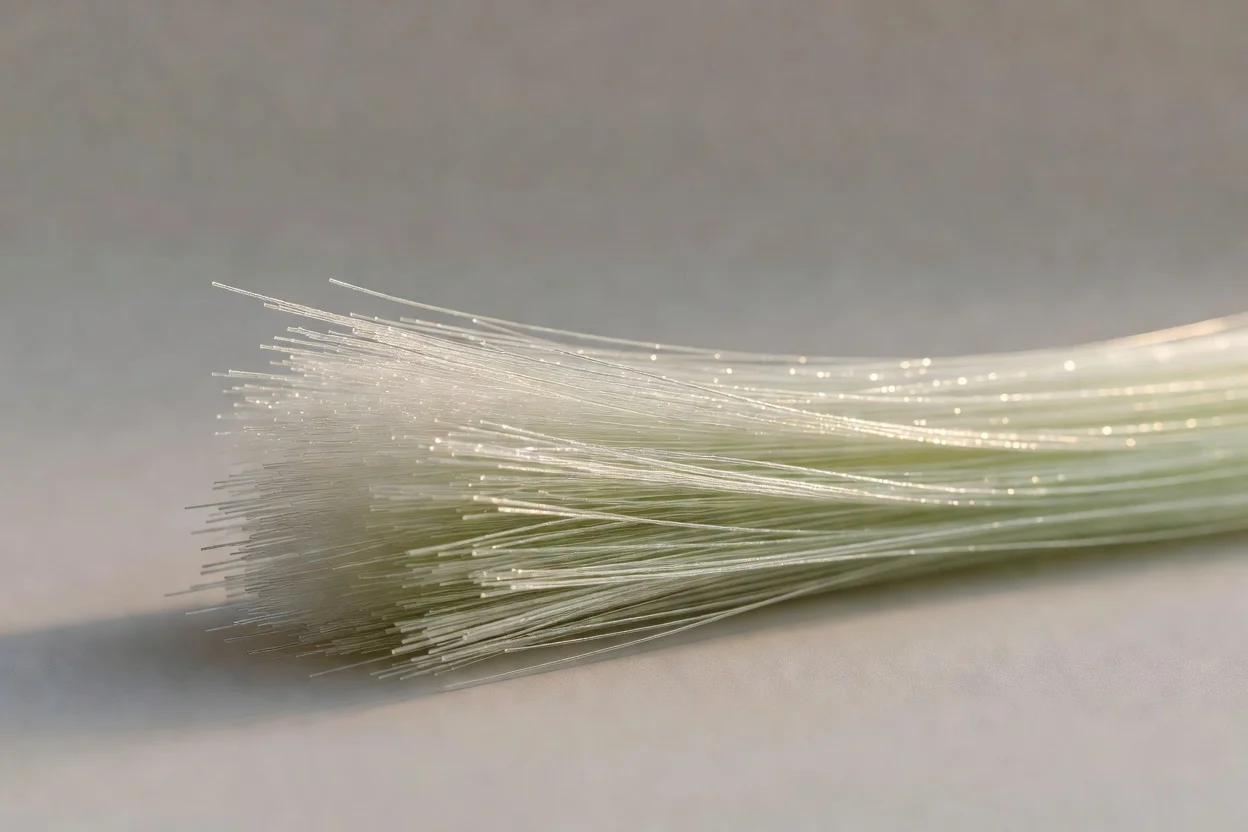
回收的 glass fiber 是從玻璃纖維強化產品、生產廢料及相關玻璃纖維廢物流中回收的二次纖維材料,經再加工後用於新的複合材料、絕緣、建築及特殊應用。它在複合材料的循環經濟中佔有重要地位,因為它可以替代部分原生玻璃纖維供應、減少掩埋處置,並在選定最終用途中支持更低成本、更低碳的材料解決方案。
在工業實務中,回收的 glass fiber 通常來自報廢玻璃纖維強化聚合物、退役風力渦輪機葉片、汽車複合材料零件、印刷電路板廢料及製造邊角料。該材料通常透過機械尺寸縮減、分離、清洗,以及在某些情況下進行熱或水熱處理來回收,以恢復下游加工的可用性。根據纖維長度、清潔度和表面狀況,回收的 glass fiber 可供應為短切纖維、氈、粉末或混合強化原料。
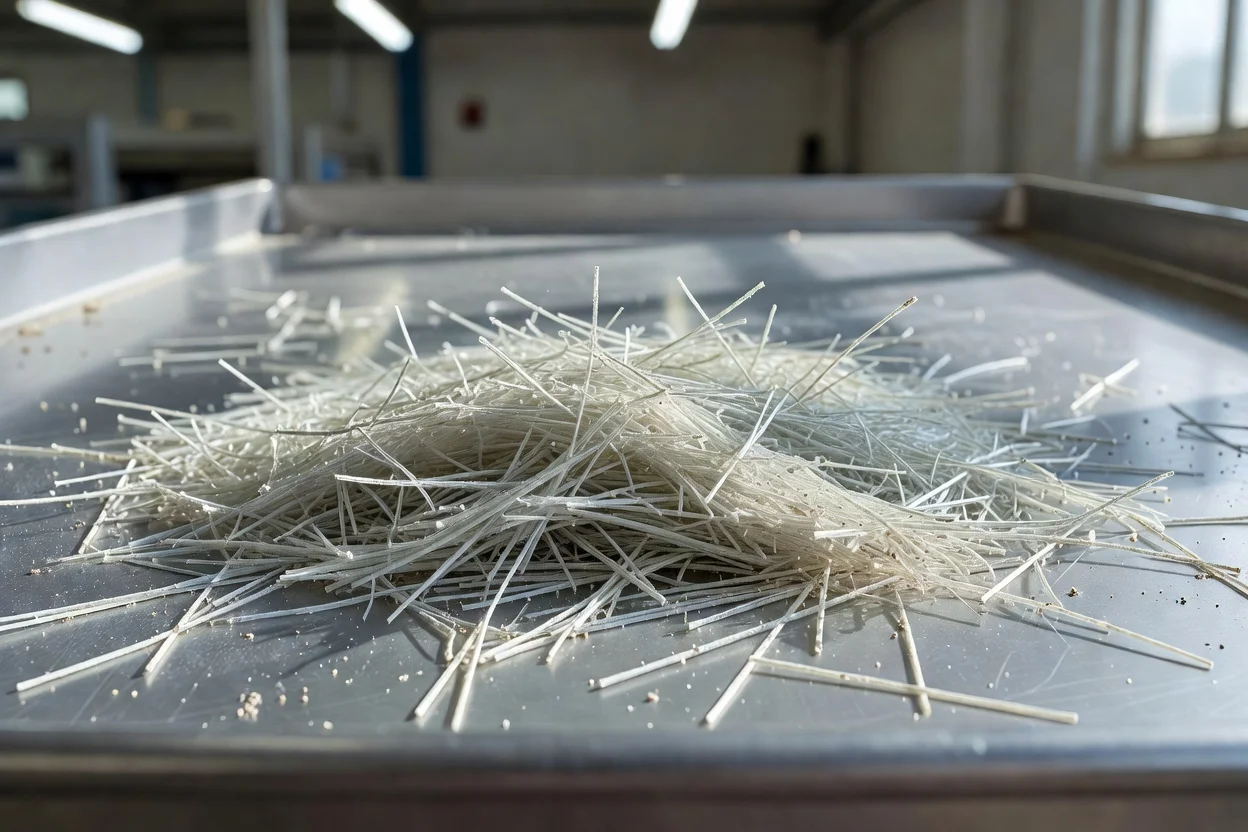
該材料的價值在於 強化效率、耐腐蝕性、尺寸穩定性,以及與許多先進纖維相比相對較低的成本。同時,回收的 glass fiber 並非原生強化的通用替代品,因為回收過程常會縮短纖維、降低長徑比,並可能降解上漿或界面結合,除非採用仔細的再生處理。因此,回收的 glass fiber 最成功應用於非關鍵、半結構及以絕緣為導向的應用,這些應用同時優先考慮適度的機械性能、可加工性及永續性。
最近的工業及研究活動顯示,建築材料、汽車內裝及非結構零件、熱及聲學絕緣,以及用於模塑和積層製造的回收複合原料具有強勁動能。展望未來,該領域正受到改善的纖維清洗技術、與 thermoplastics 更好的相容化、大規模風力葉片回收,以及日益增加的降低影響複合材料監管及買方壓力所塑造。
歷史與發展
Glass fiber 本身在二十世紀成為既定的工業強化材料,最初作為金屬強化的輕質替代品,後來成為運輸、建築、能源及消費品中玻璃纖維強化塑膠的核心成分。回收出現得較晚,最初是作為生產廢料的實務解決方案,之後才因應日益增加的報廢複合材料量,特別是在風能和運輸領域。
早期回收努力聚焦於將廢料機械壓碎和研磨成短纖維或粉末,用作填料或低等級強化材料。最近的工作則旨在保留纖維長度和表面功能,使回收纖維能保留更多原始材料的強化價值。這一演進反映了從簡單廢棄物處置向 資源回收 及性能導向再利用的更廣泛轉變。
一項特別重要的發展是風力渦輪機葉片的回收,這些葉片含有大量玻璃纖維複合材料,且正成為日益明顯的廢物流。另一項重要工作涉及從廢印刷電路板中回收的 glass fibers,研究人員已證明其可用於聲學和熱絕緣材料。平行工業努力也探索了再生玻璃纖維紡織品和氈,用於屋頂、壁面覆蓋、汽車內襯及工業絕緣。
化學結構與關鍵特性
回收的 glass fiber 在化學類別上與原生 glass fiber 並無不同;它只是 來源 為回收的 glass fiber,其性能取決於原始纖維結構、直徑、上漿和長度在回收過程中保留了多少。基礎材料是無定形矽酸鹽玻璃,通常透過熔融、纖維化和快速冷卻製成纖維形式。在回收材料中,主要變數是纖維長度分布、表面污染、殘留樹脂,以及原始上漿是否已被移除或改變。
關鍵特性包括:
- 低密度 相對於礦物和金屬強化材料,支持複合材料和絕緣產品的輕量化設計。
- 良好的拉伸強化潛力 當纖維長度和界面品質保持足夠時。
- 優異的耐腐蝕性,這在海洋、建築和化學暴露環境中很重要。
- 熱穩定性 和在絕緣及建築產品中的不燃性優勢。
- 尺寸穩定性 在許多熱塑性和熱固性系統中,特別是當適當複配時。
實際限制也很重要:
- 降低的強化效率 → 機械研磨會縮短纖維並降低長徑比 → 用於半結構零件、氈、混合化合物或粉末填充系統,而非高負荷主要結構零件。
- 弱纖維-基質結合 → 殘留樹脂、降解的上漿或表面污染會降低界面黏附 → 應用清洗、重新上漿、compatibilizers 或 coupling agents 如矽烷基處理。
- 濕氣和污染敏感性 → 混合廢物流可能引入有機物、金屬或粉塵 → 使用分選、清洗、篩選和受控原料規格。
典型性能高度取決於應用。例如,回收的 glass fibers 可摻入 thermoplastics 如 polypropylene 或 polyamide 用於內裝面板、引擎蓋下護板或模塑化合物,但若零件有嚴格的承載要求,則必須控制纖維品質。在絕緣產品中,較短且更異質的回收 glass fibers 仍可有價值,因為熱和聲學性能較少依賴長纖維強化連續性,而是依賴網絡結構和孔隙率。
生產製程與原料
生產途徑取決於目標是從複合材料廢料中回收可用纖維,還是將回收玻璃製備為新纖維化的原料。
常見原料包括:
- 來自汽車、船舶和建築產品的報廢玻璃纖維強化聚合物廢料。
- 風力渦輪機葉片區段和製造邊角料。
- 含有 glass fiber 強化的廢印刷電路板。
- 來自 fiberglass 製造和轉換製程的生產廢料。
- 間接用於 fiberglass 絕緣和玻璃纖維生產的回收玻璃碎屑。
典型回收步驟包括:
- 收集、拆解和分選。
- 透過切割、撕碎、壓碎或研磨進行尺寸縮減。
- 分離金屬、粉塵、富樹脂部分和污染物。
- 依長度或粒徑進行乾燥和分類。
- 選擇性重新上漿、表面處理或複配成顆粒、氈或原料混合物。
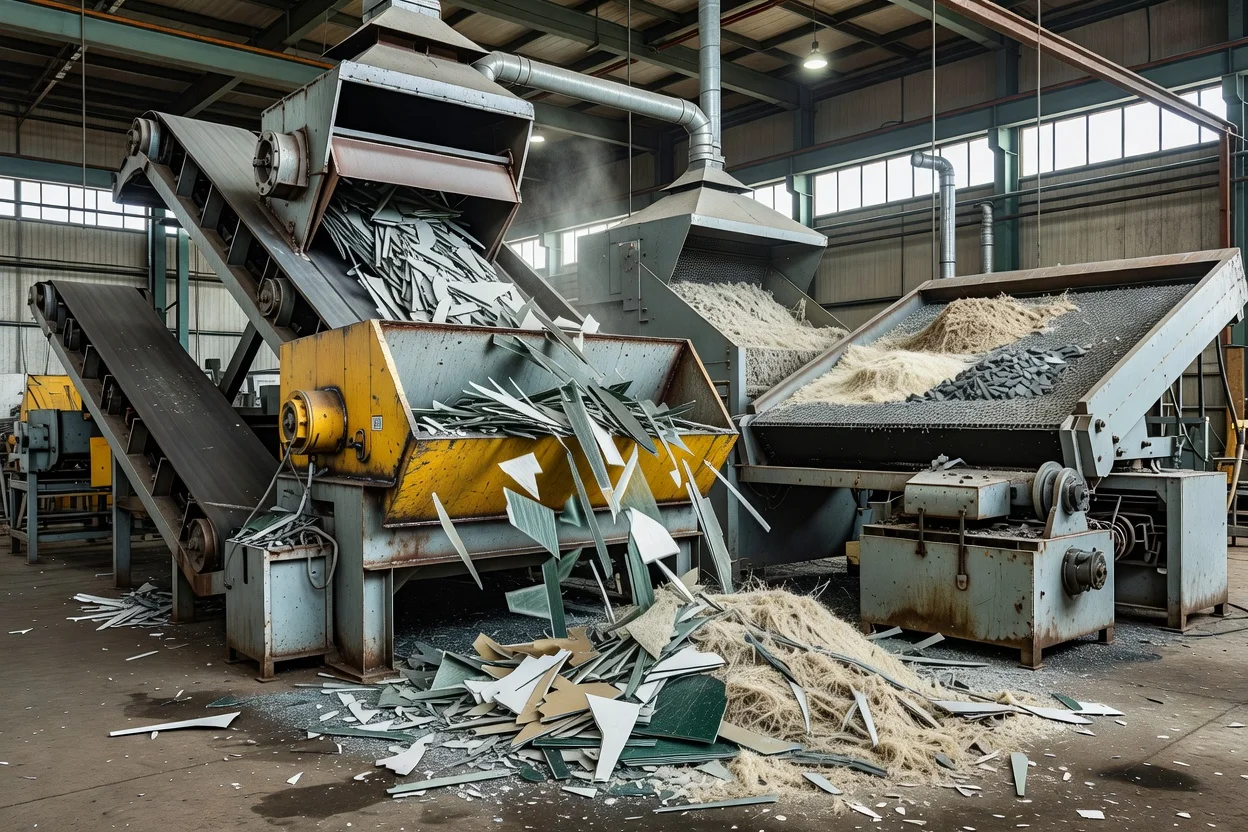
在更傳統的玻璃纖維製造路線中,碎屑和原始礦物在熔爐中熔化,然後透過襯套纖維化以產生連續長絲。然而在回收的 glass fiber 系統中,產業通常使用已在先前生命週期中形成的回收纖維,因此主要挑戰是保存和再生,而非熔化和重新纖維化。
此領域的主要工業參與者和技術開發者包括專門從事再生纖維紡織品和複合材料回收系統的公司,歐洲公司特別活躍於風力葉片和複合材料再生項目。研究機構和試驗規模技術提供者也對製程開發做出了重大貢獻。
應用與最終用途市場
回收的 glass fiber 最成功地用於成本、永續性和適度強化平衡比最大結構性能更重要的場合。
| 最終用途部門 | 典型回收纖維形式 | 通常製程路線 | 主要價值主張 |
|---|---|---|---|
| 建築 | 短切纖維、氈、粉末、混合強化 | 砂漿、石膏板、面板、水泥複合材料 | 裂縫控制、剛性、絕緣、成本降低 |
| 汽車 | 短切股、氈、熱塑性化合物 | 壓縮模塑、射出模塑、片狀模塑化合物 | 輕量化、NVH 改善、非結構強化 |
| 風能 | 從葉片回收的纖維 | 降級為二次複合材料或填料 | 廢棄物轉移、材料回收 |
| 絕緣 | 短纖維、氈、非織造結構 | 熱和聲學絕緣產品 | 熱保留、吸音、防火性能 |
| 船舶和戶外產品 | 短切纖維、氈 | 耐腐蝕複合零件 | 耐濕性、耐久性 |
| 電子和電氣 | 細纖維、絕緣級回收玻璃 | 外殼、聲學/熱插入件 | 熱管理、尺寸穩定性 |
| 積層製造 | 短纖複合原料 | 顆粒或長絲擠出 | 回收複合原型和可重複使用元件 |
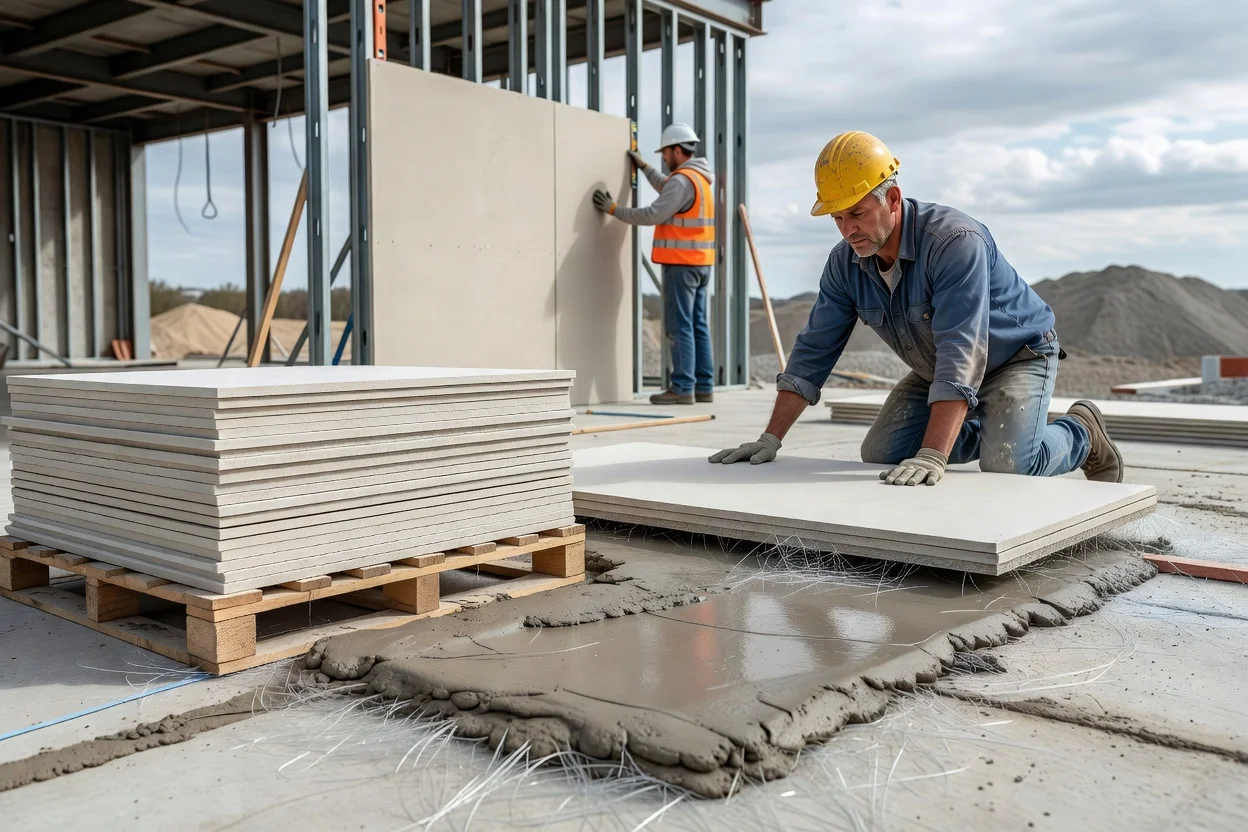
建築是強勁的出口之一,因為回收的 glass fiber 可改善板材、砂漿和面板的收縮控制、抗裂性,以及在某些情況下的熱和聲學性能。汽車用途包括內裝面板、保險桿、引擎蓋下零件,以及其他半結構零件,這些零件重量減輕有價值且負載需求可控。
一個不適合的用途是高應力主要結構航空航天零件,這些零件需要嚴格的認證、長期疲勞性能和一致的纖維品質,通常需要更受控的原生強化或先進的資格認證途徑。相比之下,回收的 glass fiber 更適合用於二次結構、非承載零件和建築產品。
環境與永續性方面
回收的 glass fiber 的主要永續性益處是 資源置換:回收纖維減少對原生原料的依賴,並使複合材料廢棄物遠離掩埋或焚化流。在 fiberglass 絕緣製造中,據報導回收玻璃碎屑可降低相對於原生材料的能源需求,一個產業來源指出在該情境中能源減少 25%。
額外的環境益處包括:
- 降低來自複合材料廢棄物和風力渦輪機葉片處置的掩埋負擔。
- 當回收玻璃用於相關纖維產品時,降低對原生礦物原料的需求。
- 在選定應用中,當回收纖維替代原生強化或礦物填料時,降低內含碳。
- 支持建築、汽車和能源領域的循環設計。
然而,永續性圖景並不均勻。機械回收可能降解纖維長度並產生仍需處置或進一步處理的粉塵或混合廢棄物部分。若回收纖維用於低價值應用而無強烈置換效果,氣候益處可能有限。此外,若系統分散或地理分散,收集、分選、清洗和運輸可能抵消部分益處。
生物基替代品並非回收 glass fiber 的直接替代品,但它們在更廣泛的輕質強化市場中競爭。Natural fibers 可進一步降低化石強度,但它們通常缺乏玻璃基強化的溫度抵抗性、尺寸穩定性和耐濕性。這使回收的 glass fiber 成為當性能要求超過許多生物基強化所能提供時的重要中間選擇。
經濟與全球市場影響
回收的 glass fiber 的經濟受原料可用性、污染水平、加工成本和下游產品價值所塑造。該材料在廢棄物處置昂貴、永續性證明在商業上重要,或應用可容忍短纖維強化的場合最具吸引力。
最近的產業分析顯示,建築是主要消費領域,其次是汽車和特殊應用。一些市場報告也指出氈和粗紗是商業上重要的產品形式,建築是主要需求中心,汽車是快速成長的領域。雖然這些數字因來源和方法而異,但共同趨勢清晰:最終使用者日益尋求具有較低環境影響且成本效益高的強化選擇。
全球市場與成熟的原生玻璃纖維產業相比仍較分散,後者仍由擁有廣泛熔融、纖維化和複配能力的大型跨國生產商主導。相比之下,回收的 glass fiber 更常由專業回收商、區域加工商和複合材料回收技術公司供應。這種結構有利於靠近風電場、汽車中心和建築材料製造集群的本地化供應鏈。
當前挑戰與創新
主要挑戰包括:
- 原料變異性 → 混合複合材料廢棄物產生不一致的纖維長度和純度 → 解決方案:更嚴格的分選、標準化和供應鏈合約。
- 界面性能損失 → 回收纖維可能不如原生纖維結合良好 → 解決方案:重新上漿、矽烷偶聯、compatibilizers 和表面活化。
- 認證障礙 → 許多產業需要可重複、特性良好的材料行為 → 解決方案:資格資料庫、可追溯性和應用特定規格。
- 收集的經濟性 → 運輸和預處理可能昂貴 → 解決方案:分散式回收中心和區域再利用網絡。
- 報廢複雜性 → 多材料複合材料難以乾淨分離 → 解決方案:設計拆解和可逆熱塑性系統。
創新正朝幾個有前景的方向發展:
- 用於建築和運輸內裝的再生玻璃纖維紡織品和氈。
- 用於積層製造原料的回收 glass fiber 複合材料。
- 旨在比基本研磨更有效地保留纖維特性的熱回收和水熱處理方法。
- 將玻璃纖維複合材料廢棄物轉化為更高價值產品(包括礦物基中間體和先進強化流)的升級回收路線。
- 改善從風力渦輪機葉片和印刷電路板廢料中回收纖維。
一個具體的加工例子是在熱塑性化合物中以低至中等負荷使用回收短 glass fibers,其中纖維作為剛性增強劑和收縮減少劑,而聚合物基質承擔大部分負載。另一個例子是 fiberglass 絕緣,其中回收玻璃碎屑和回收纖維可支持熱和聲學性能,即使纖維連續性不如結構複合材料重要。
未來展望
回收的 glass fiber 的未來取決於 recycling systems 是否能從機會性廢棄物處理轉向整個複合材料生命週期的 設計材料回收。最強勁的成長前景可能在建築產品、絕緣、汽車內裝和其他半結構應用中,這些應用中回收纖維可在不需要完整原生纖維性能的情況下提供可衡量的環境和成本益處。
對複合材料廢棄物(特別是風力渦輪機葉片)的政策壓力可能加速收集、分離和再生基礎設施的投資。同時,產品開發者可能改善樹脂相容性、纖維表面處理,以及將回收 glass fiber 與填料或原生強化結合的混合配方,以更低成本和碳強度達到目標性能。
隨著回收含量聲明在採購和法規中變得更加重要,最具競爭力的供應商可能是那些能證明可追溯性、一致纖維品質和可靠性能數據的供應商。在這個意義上,回收的 glass fiber 正從簡單的廢棄物衍生填料演變為具有合格工程材料地位的材料,在下一代循環塑膠和複合材料中佔有一席之地。
摘要
回收的 glass fiber 是一種支持複合材料、建築、絕緣以及選定汽車和工業應用中循環性的回收強化材料。其優勢是輕質強化、耐腐蝕性、熱穩定性,以及在適當用途中比原生供應更低的環境負擔,而其主要限制是纖維縮短、品質變異和結合挑戰。
其最重要的角色不是到處取代原生 glass fiber,而是透過實用、低影響的應用來延長 glass reinforcement 的可用壽命,在這些應用中性能和永續性可以有效平衡。
參考文獻
- •
Top 5 uses of recycled glass fibers in 2025. (2025, October 22). https://www.linkedin.com/pulse/glass-fiber-recycling-real-world-5-uses-youll-actually-6jlieLink
- •
Recycled glass fiber in the real world: 5 uses you'll actually use. (2025, September 21). https://www.linkedin.com/pulse/recycled-glass-fiber-real-world-5-uses-youll-actually-y7f1fLink
- •
Recycling of reinforced glass fibers waste: Current status. (2022, February 21). https://pmc.ncbi.nlm.nih.gov/articles/PMC8876600/Link
- •
What is recycled GFRP glass fiber? Uses, how it works & applications. (2025, October 5). https://www.linkedin.com/pulse/what-recycled-gfrp-glass-fiber-uses-how-works-extvcLink
- •
Recycled glass fiber market size, growth, forecast till 2032. (n.d.). https://www.reportprime.com/recycled-glass-fiber-r360Link
- •
A review on the valorization of recycled glass fiber reinforced polymer waste. (2025, October 1). https://pmc.ncbi.nlm.nih.gov/articles/PMC12526915/Link
- •
Recycled glass fiber market research report 2033. (2025, August 13). https://marketintelo.com/report/recycled-glass-fiber-marketLink
- •
Recycling glass and carbon fibers for reusable components in the automotive sector. (n.d.). https://re.public.polimi.it/retrieve/29a56cfe-caee-4e1d-8efa-8712534616d0/applsci-13-05848-v2.pdfLink
- •
Development and characterization of glass fiber reinforced composites. (n.d.). https://www.politesi.polimi.it/retrieve/26cf3f2b-0152-4808-911b-5c9e4c3f2c8e/2020_07_Manzano_Hernandez.pdfLink
- •
Novel application of glass fibers recovered from waste printed circuit boards as sound and thermal insulation material. (n.d.). https://link.springer.com/article/10.1007/s11665-013-0587-yLink
- •
What is recycled glass fiber? Uses, how it works & top companies. (2025, October 3). https://www.linkedin.com/pulse/what-recycled-glass-fiber-uses-how-works-top-companies-vfxxfLink
- •
Recycled glass fiber composites from wind turbine waste for 3D printing feedstock: Effects of fiber content and interface on mechanical performance. (2019, November 27). https://www.mdpi.com/1996-1944/12/23/3929Link
- •
Enhancing material properties of recycled glass fibres through sizing. (2025, September 15). https://www.brunel.ac.uk/research/projects/enhancing-material-properties-of-recycled-glass-fibres-through-sizingLink
- •
Development and characterization of glass fiber reinforced composites. (n.d.). https://lutpub.lut.fi/bitstream/handle/10024/161516/Diplomityo_Loikkanen_Mikko.pdf?sequence=1&isAllowed=yLink
- •
Development of FRC materials with recycled glass fibers. (n.d.). https://pdfs.semanticscholar.org/2a32/3c557472812ac82705b500544728bfeb76e7.pdfLink
- •
Glass fiber. (2002, December 13). https://en.wikipedia.org/wiki/Glass_fiberLink
- •
Evaluating the potential use of recycled glass fibers for the development of gypsum-based composites. (n.d.). https://www.sciencedirect.com/science/article/pii/S0950061822000149Link
- •
Use case 2: Thermal recycling of long fibers. (n.d.). https://link.springer.com/chapter/10.1007/978-3-031-22352-5_16Link
- •
Sustainable technology to integrate recycled glass fiber. (n.d.). https://www.verretex.com/technologyLink
- •
Recycling of glass fibre reinforced polymer (GFRP) composites. (n.d.). https://www.sciencedirect.com/science/article/pii/S2352012423006215Link
- •
Recycled glass fiber market size, share, trends. (2025, May 6). https://www.marketgrowthreports.com/market-reports/recycled-glass-fiber-market-106852Link
- •
What's going on in the world of glass fiber recycling. (2024, April 16). https://www.linkedin.com/pulse/whats-going-world-glass-fiber-recycling-ned-patton-ph-d-p-e--68ekcLink
- •
Fiberglass lifecycle from waste to wow. (2026, May 15). https://www.linkedin.com/posts/exalt-apparels-ltd_sustainability-circulareconomy-manufacturing-activity-7461060478752960512-h1jGLink
- •
Recycled glass fiber composites that fit your workflow. (2026, April 1). https://www.verretex.com/post/blog-recycled-glass-fiber-composites-drop-in-workflowLink
- •
International Journal of Engineering Materials and Manufacture. (2025). https://deerhillpublishing.com/index.php/ijemm/article/download/291/267/2348Link
- •
Systems and process for recycling glass fiber waste material into glass fiber product. (1997, October 28). https://patents.google.com/patent/WO1998019973A3/enLink
- •
Production process of glass fiber with waste. (2002, September 30). https://patents.google.com/patent/CN1486948A/enLink
- •
Systems and processes for recycling glass fiber waste material into glass fiber product. (1996, November 6). https://patents.google.com/patent/US6199778B1/enLink
- •
Process for recycling glass fiber. (2007, June 5). https://patents.google.com/patent/US7934393B2/enLink
- •
Recycling glass-fiber-reinforced plastic in a flash. (2024, March 21). https://www.plasticstoday.com/automotive-mobility/a-better-way-to-recycle-glass-fiber-reinforced-plasticLink
- •
Recycling waste fiberglass by powder grinding and direct molding. (2025, April 5). https://pmc.ncbi.nlm.nih.gov/articles/PMC11991333/Link
- •
AP-42, CH 11.13: Glass fiber manufacturing. (n.d.). https://www.epa.gov/sites/default/files/2020-10/documents/c11s13.pdfLink
- •
Enhancing environmental benefits through recycling glass to. (n.d.). https://www.sciencedirect.com/science/article/pii/S2772912525000995Link
- •
The making of glass fiber. (2026, August 24). https://www.compositesworld.com/articles/the-making-of-glass-fiberLink
- •
Fiber glass insulation industry. (n.d.). http://insulationinstitute.org/wp-content/uploads/2016/04/Recycled-Glass-Flyer-April-2016.pdfLink
- •
Home | Verretex | Regenerating glass fibers. (n.d.). https://www.verretex.com/Link
- •
What can be made from recycled glass? (2024, February 5). https://www.rippleglass.com/what-can-be-made-from-recycled-glass/Link
- •
Glass recycling facts & benefits. (n.d.). https://www.gpi.org/facts-about-glass-recyclingLink
- •
Recycled glass fibers boost sustainability of polyamide compounds. (2023, October 17). https://www.plasticstoday.com/sustainability/recycled-glass-fibers-boost-sustainability-of-polyamide-compoundsLink
- •
Recycled glass fiber market size, share | trends, 2035. (2025, July 7). https://www.businessresearchinsights.com/market-reports/recycled-glass-fiber-market-108357Link
- •
Fiberglass manufacturing. (n.d.). https://www.vetrotextextiles.com/technologies/fiberglass-manufacturingLink
- •
How is glass fibre transforming the textile industry? (2024, April 22). https://www.fibre2fashion.com/industry-article/10001/how-is-glass-fibre-transforming-the-textile-industryLink
- •
Glass commodities. (2025, May 5). https://www.recycledmaterials.org/education-and-events/recycled-materials/commodities/glass/Link